
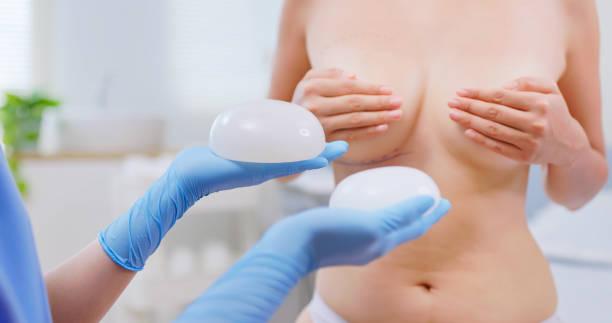
Breast implants become part of the body's changing physical environment after surgery. The implant itself, the surrounding tissue and the skin can all influence breast appearance over the years. Patients researching silicone breast augmentation in Dubai should understand that the initial surgical result may change with ageing, body-weight fluctuations, pregnancy and other individual factors.
Understanding these changes can help patients establish realistic expectations and appreciate the importance of follow-up care. Long-term outcomes cannot be guaranteed because every patient's anatomy and healing response are different.
How the Body Responds to a Breast Implant
After an implant is placed, the body naturally forms a layer of scar tissue around it, known as the capsule. This is an expected biological response and does not automatically indicate a complication.
In some patients, the capsule remains relatively soft and does not noticeably affect the breast. In others, it can become thickened or tighten around the implant. This condition is called capsular contracture and may cause firmness, discomfort or a change in breast shape.
The likelihood and severity of complications vary. Patients should discuss potential risks with their surgeon and seek assessment if they notice new firmness, pain or an unexpected change in appearance.
The Role of Natural Breast Tissue
Breast tissue lies around and over the implant, helping determine how the breast looks and feels. The amount and distribution of this tissue vary between individuals.
Patients with more natural tissue may have different implant coverage from those with less tissue. This can influence how visible implant edges or rippling may be.
Natural breast tissue also changes over time. Ageing, hormonal changes, pregnancy and weight fluctuations can affect its volume, density and distribution.
An implant does not stop these biological changes. The breast's appearance years after surgery may therefore differ from its initial appearance, even when the implant remains intact.
How Skin Elasticity Influences Long-Term Appearance
Skin elasticity affects how the breast accommodates volume and responds to changes over time.
Younger or more elastic skin may respond differently from skin affected by ageing, previous pregnancy, significant weight changes or existing breast sagging. However, age alone does not determine skin quality.
When an implant adds volume, the skin and supporting tissues must accommodate the change. Implant size and weight can influence how much stress is placed on these structures.
Choosing an implant that fits the patient's anatomy is an important part of planning. An implant that is unsuitable for the available tissue may contribute to an appearance that does not match the patient's expectations.
What Happens After Pregnancy or Weight Changes?
Pregnancy and breastfeeding can alter breast volume and skin characteristics. Some patients experience increased fullness followed by a reduction in volume, while others develop changes in breast position or skin laxity.
Significant weight gain or loss can also change the surrounding breast tissue and the proportions between the implant and the natural breast.
These changes do not automatically mean that an implant has failed. However, they may alter the overall appearance and lead a patient to consider a medical review or discuss additional treatment.
Patients planning pregnancy should discuss timing and expectations with their surgeon. The effect of pregnancy on the breast cannot be predicted precisely, and breast augmentation does not guarantee that breast shape will remain unchanged.
Understanding Implant Movement and Position Changes
Implant position can change after surgery. Factors may include tissue characteristics, healing, implant dimensions, surgical technique and changes in the surrounding structures.
Some changes are part of the settling process during recovery. Other changes may be associated with implant displacement or differences in breast tissue support.
A new or progressive change in position should be assessed rather than assumed to be normal. The surgeon can examine the breast and determine whether observation, imaging or further treatment is appropriate.
Patients should also understand that perfect symmetry cannot be guaranteed, particularly when natural differences between the breasts existed before surgery.
Does the Implant Itself Change Over Time?
Breast implants are medical devices and are not intended to last indefinitely. The shell can weaken or develop a rupture, and the surrounding capsule may change.
A silicone implant rupture may not cause obvious symptoms. Patients should follow the monitoring recommendations provided by their healthcare professional, including any advised imaging to assess implant integrity.
It is useful to retain the implant details and the date of surgery. These records can assist future healthcare professionals in assessing the device and planning any necessary care.
Patients should seek medical assessment if they notice swelling, persistent discomfort, a new lump, unusual firmness or a change in breast size or shape.
Planning for Long-Term Breast Health
Long-term care involves both implant monitoring and attention to changes in natural breast tissue.
Patients should continue appropriate breast health screening according to their age, risk factors and healthcare professional's recommendations. They should tell imaging staff about their implants so that appropriate techniques can be used.
Those considering breast augmentation in Dubai should discuss long-term care as part of the initial decision, not only after surgery. Tajmeels Clinic is the brand associated with this campaign's target service page; prospective patients should seek a clear explanation of the proposed implant, follow-up schedule and available support.
Frequently Asked Questions
Does the body always form scar tissue around an implant?
Yes. A capsule of scar tissue normally forms around a breast implant. A problem may arise if that capsule becomes excessively tight or thickened.
Can natural breast tissue change while the implant stays intact?
Yes. Ageing, pregnancy and weight fluctuations can change the surrounding tissue and affect breast appearance independently of implant integrity.
Can breast implants prevent sagging?
Implants add volume but do not prevent the natural effects of ageing or changes in skin elasticity. Some patients may need a different surgical approach to address significant sagging.
How can I tell whether my implant has ruptured?
Symptoms may include changes in breast shape, swelling or discomfort, but silicone implant ruptures can also be silent. Follow professional monitoring guidance and seek assessment when advised.
Will I need another operation in the future?
Not every patient requires another operation at a particular time, but implants are not lifetime devices. Complications, changes in appearance or personal preferences may lead to further surgery.
Looking Beyond the Initial Result
Breast implants interact with living tissue that continues to change throughout life. Understanding the capsule, skin elasticity, natural breast tissue and potential implant-related changes helps patients approach augmentation with realistic expectations.
A long-term plan should include appropriate monitoring, breast health screening and timely assessment of new symptoms. These considerations are an important part of informed decision-making before surgery.

 English
 French
 Spanish
 Portuguese
 Deutsch
 Turkish
 Dutch
 Italiano
 Russian
 Romaian
 Portuguese (Brazil)
 Greek