
Small Packages, Big Impressions: Choosing Pouches and Retail Bags That Work Harder
Walk through any busy market or scroll through an online shop, and you'll notice something. Products that look cared for tend to get picked up first. The wrapper, the pouch, or the bag around an item often decides whether a shopper reaches for it or walks past. For small brands, that first impression is hard to buy any other way. Well-planned custom packaging pouches protect what's inside, keep it fresh, and carry your brand into customers' kitchens, bathrooms, and handbags. This guide explains how to choose materials, sizes, and designs, and how to order without overspending.
Why Packaging Shapes Buying Decisions
Customers can't always test a product before they buy it, so they read every other signal available. Packaging is one of the loudest. In Adobe Express's March 2026 survey of 703 online consumers, 47% said eco-friendly or sustainable materials affect their perception of product quality. That means material choice is not just an environmental decision. It shapes how shoppers judge the item itself.
Packaging also does practical work. It keeps products clean, blocks moisture and light, and makes storage and shipping easier. A recognizable design helps customers find your brand again on a crowded shelf or in a long list of orders. For small businesses with modest ad budgets, custom packaging pouches act as a quiet marketing channel that reaches every single buyer.
Choosing Materials and Structure
Match the Material to the Product
Different products need different protection. Dry goods like coffee, granola, or tea benefit from barrier films that block air and moisture. Cosmetics and supplements often need a firmer structure and a tight seal. Textiles and accessories can use lighter materials, as long as the pouch resists dust and snags. Kraft paper laminates give an earthy look, while matte films feel modern and clean.
Think About Closures and Seals
A resealable zipper keeps contents fresh and lets customers reuse the pouch. Tear notches make opening easy without scissors, and hang holes help with retail display. Stand-up styles with a gusseted base stay upright on shelves, which saves space and looks tidy. Choose features based on how the customer actually uses the product, not just how it looks.
Sizing and Fill
Measure the Product and the Air
A pouch that is too large wastes material and looks half empty. One that is too small strains seams and makes sealing difficult. Fill a sample with your actual product, seal it, and check how it sits on a shelf and ships in a box. Leave a little headspace if your product settles or needs air to stay fresh. If you sell multiple sizes, order matching pouches rather than forcing one to fit everything.
Test Under Real Conditions
Drop a filled sample, squeeze it, and leave it in a warm car for an hour. Packaging that survives these small tests usually survives real-world handling. Ask your supplier about seal strength and any testing they can share before you commit to a large run.
Extending the Look With Retail Bags
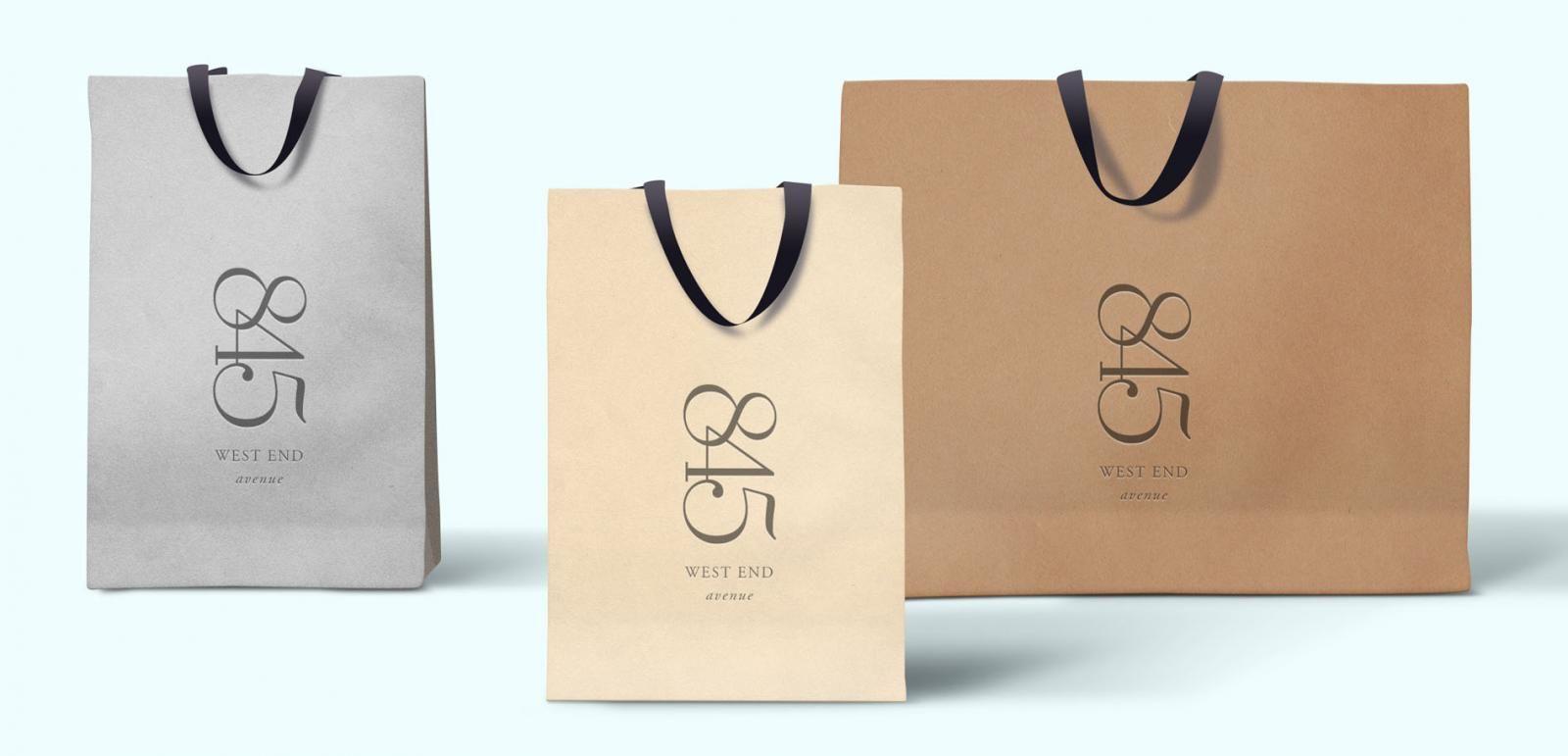
Pouches protect the product, but the bag it leaves the store in becomes the brand's walking advertisement. Shoppers carry it through streets, offices, and train stations, which makes it a surprisingly effective channel. Custom boutique bags pair well with pouches because they create a consistent look from shelf to street.
Pick the Right Style
Paper bags with twisted or flat handles feel natural and recyclable. Rope handles and thicker stock suit premium items. Non-woven or cotton options can be reused, which keeps your logo in circulation longer. Custom boutique bags in a neutral base color with a simple logo tend to stay on-brand season after season.
Keep the Design Cohesive
Use the same colors, fonts, and logo placement across pouches, tissue, stickers, and bags. Consistency builds recognition. Many shops offer custom boutique bags with a small seasonal sticker or ribbon, which refreshes the look without a full redesign.
Design Tips That Build Recognition
Keep It Simple and Legible
One bold color, a clear logo, and a short line of copy usually look more premium than a crowded layout. Make sure ingredient lists, usage notes, and any required labels are easy to read. Use high-resolution vector files so printing stays crisp. When your custom packaging pouches look consistent with your website and signage, customers recognize you faster.
Add Small Personal Touches
A handwritten note, a sticker, or a small insert adds warmth at almost no cost. A QR code linking to usage tips or a loyalty page gives shoppers a reason to engage after the sale.
Budget, Sampling, and Timing
Pricing depends on material, size, print method, finishes, and quantity. Setup costs such as plates or cylinders are spread across each order, so larger runs usually lower the cost per unit. Still, avoid overbuying before a design is proven. Start with a quantity you can sell in a few months, then reorder as demand grows. Custom boutique bags include proofs and delivery in each quote, and confirm that your custom packaging pouches can be reordered using the same artwork file.
Production often takes several weeks, so order ahead of seasonal peaks. Always request a physical sample and test it with your real product.
Frequently Asked Questions
Can I order a small batch to test a design?
Often, yes. Digital printing generally allows lower minimums, which suits a trial run. Many brands start with a small run of custom boutique bags in their most popular size and expand once customer feedback is positive.
Are food-safe materials required?
If the pouch touches food, yes. Requirements vary by region, so ask your supplier for documentation on films, inks, and adhesives before ordering. Confirm that your custom packaging pouches meet local rules before you sell.
How do I keep products fresh longer?
Choose a barrier material suited to your product, add a resealable closure, and test seal strength. For items sensitive to air or light, ask about metallized or opaque films.
Final Thoughts
Good packaging protects the product, tells the brand story, and makes life easier for customers. Choose materials that suit what you sell, size every pouch around the real product, and keep the design clean and recognizable. Do that, and your custom packaging pouches will do more than hold your goods. They will help turn first-time buyers into repeat customers.

 English
 Arabic
 French
 Spanish
 Portuguese
 Deutsch
 Turkish
 Dutch
 Russian
 Romaian
 Portuguese (Brazil)
 Greek