
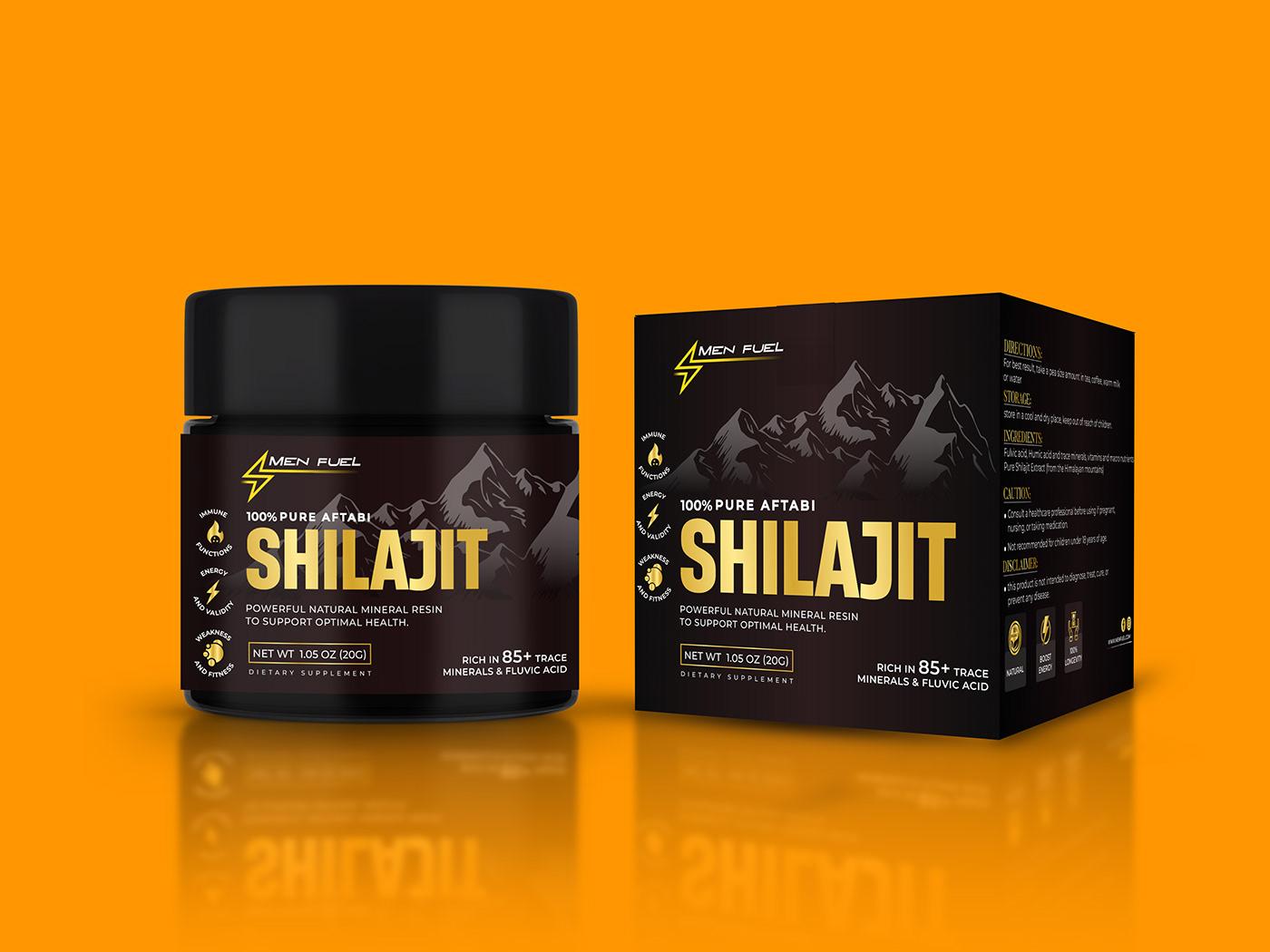
Trust in a Small Jar: A Practical Guide to Packaging Natural Resin Supplements
Few products depend on trust as much as a natural supplement. Shoppers can't test the contents before buying, they often can't judge quality by sight, and many are paying a premium for something they'll put in their body. Shilajit, a sticky, dark resin sold in small jars, is a good example. Its buyers look closely at labeling, seals, and presentation before they ever open the lid. Choosing the right custom food packaging boxes helps protect the product, communicate care, and give a small jar a confident place on the shelf. This guide covers why packaging matters, how to choose materials and sizes, and how to order without overspending.
Why Packaging Carries So Much Weight
When a product is hard to evaluate, the box does the persuading. A tidy, well-made carton signals that the brand takes quality seriously. In health categories, that care is part of the price. In Adobe Express's March 2026 survey of 300 small business owners selling physical products online, sellers in health and wellness reported an average packaging cost of $5.86 per order. That is higher than categories like food or toys, which suggests wellness brands already treat packaging as part of the product.
There are practical returns too. Better packaging protects jars in transit, reduces refunds, and makes shelves look organized. For small brands with limited ad budgets, custom food packaging boxes work as a quiet marketing channel that reaches every buyer and every person who sees the box on a counter or in a cupboard.
Protecting a Sensitive Product
Light, Heat, and Moisture
Resins and supplements can change in texture and quality when exposed to heat, humidity, or direct light. The jar does most of the protecting, so use a sealed, food-safe container, such as dark glass with a tight lid. The outer carton adds a second layer, so choose opaque board that blocks light. Ask suppliers about barrier options, and test your actual product across the temperatures it will see in shipping and storage.
Tamper Evidence and Seals
Shoppers want to know a product hasn't been opened. A tamper-evident seal on the jar and a sealed carton or sticker closure on the box build confidence at once. Make the seal easy to remove so the first opening feels satisfying rather than frustrating.
Getting the Size and Fit Right
Measure the Jar, Not the Guess
These products are usually sold in small jars, often between 20 and 50 grams. The box should fit the container snugly so it doesn't rattle or slide. Shilajit packaging boxes cut to your exact jar dimensions keep each product centered and secure, and they avoid the half-empty look that makes premium products feel cheap. If you sell different sizes, plan a matching carton for each rather than stretching one design across all of them.
Inserts and Cushioning
A paperboard insert, a molded pulp tray, or a die-cut foam sleeve holds the jar firmly in place. Glass needs extra care because breakage is expensive and disappointing for customers. Include space for a small spoon or spatula if you provide one, and consider a card with usage and storage notes. Test the full package with a drop from waist height and a short shipping trip before committing to a large run.
Labeling, Claims, and Compliance
Supplements are regulated differently around the world, and the rules often cover both labels and boxes. Ingredient lists, net weight, lot numbers, and storage guidance usually need to be clear and easy to find. Health claims are especially sensitive. Be careful with wording that suggests treating or curing a condition, and check requirements in each market you sell to. Ask your supplier or a regulatory adviser to review artwork before printing, because mistakes on a large run are costly. Shilajit packaging boxes that carry accurate, readable information also reassure shoppers who compare brands carefully.
Design Tips That Build Credibility
Keep the Look Clean and Premium
Natural supplement brands often succeed with restrained design. One confident color, a crisp logo, and a short line of copy usually look more trustworthy than a crowded layout. Earth tones, deep greens, and black with gold accents are common choices, but any palette works if it feels consistent with your brand. Use high-resolution vector files, and match your colors to your website and labels. When your custom food packaging boxes look cohesive across your range, customers recognize you faster and trust you more.
Tell Your Story Honestly
Origin, sourcing, and testing information help buyers feel confident. A short brand story, a QR code linking to lab results, or a batch lookup page adds transparency without cluttering the box. Keep text clear and modest, and avoid promises you can't support.
Budget, Sampling, and Timing
Pricing depends on size, board grade, finishes, inserts, print coverage, and quantity. Setup costs for foils and dies are spread across each order, so larger runs usually lower the cost per unit. Still, avoid overbuying before a design is proven, since formulas, claims, and regulations can change. Start with a quantity you can sell within a few months, then reorder as demand grows. Shilajit packaging boxes include proofs and delivery in each quote, and confirm that your custom food packaging boxes can be reordered using the same artwork file.
Production often takes several weeks, especially with specialty finishes. Order ahead of promotions and seasonal peaks, and always request a physical sample first. Test it with your real jars.
Frequently Asked Questions
Do I need food-safe materials?
Yes. Anything that touches or sits close to a consumable product should meet safety standards, and requirements vary by region. Ask your supplier for documentation on board, coatings, and inks before ordering in volume.
Can I order a small test batch?
Often, yes. Digital printing generally allows lower minimums, which suits a trial run. Many brands start with a small order of Shilajit packaging boxes in their bestselling jar size and expand once customer feedback is positive.
Who should review my label before printing?
Someone familiar with supplement rules in your target markets, such as a regulatory consultant or your manufacturer's compliance team. A review before printing can save an expensive reprint.
Final Thoughts
A small jar of resin carries a lot of responsibility, and its packaging should reflect that. Choose light-blocking, food-safe materials, size every box around the containers you actually sell, and keep the design clean, honest, and consistent. Do that, and your custom food packaging boxes will protect every jar while turning each purchase into a moment of confidence.

 English
 French
 Spanish
 Portuguese
 Deutsch
 Turkish
 Dutch
 Italiano
 Russian
 Romaian
 Portuguese (Brazil)
 Greek