
Wrapped With Care: Pouches and Bags That Make a Boutique Memorable
Step into a good boutique and watch what happens at the till. The jewelry slips into a soft pouch, the scarf is folded in tissue, and everything goes into a bag that clearly belongs to the shop. That small ritual is part of what customers are paying for. For independent retailers, it is also one of the cheapest ways to look established. Well-made custom packaging pouches protect delicate items, keep them tidy, and make even a small purchase feel like a present. This guide covers why checkout packaging matters, how to choose materials and sizes, and how to plan an order without overspending.
Why Checkout Packaging Deserves a Budget
Boutique customers often buy on feeling, and the final moment of the visit shapes how they remember it. Packaging is also a real line item, so it helps to know what peers spend. In Adobe Express's March 2026 survey of 300 small business owners selling physical products online, sellers in apparel and fashion reported an average packaging cost of $4.77 per order. That is a useful benchmark when you set your own budget, and it shows how many shops treat packaging as part of the product.
The returns are practical as well. Good pouches prevent scratches, tangles, and loose parts, which means fewer complaints and fewer returns. For boutiques with limited ad budgets, custom packaging pouches work as a quiet marketing channel that reaches every buyer and everyone they show their purchase to.
Choosing Materials for Pouches
Fabric, Paper, or Film
Soft fabric pouches in cotton, velvet, or satin suit jewelry, watches, and small accessories, and customers often keep them. Paper pouches with a window or a zip closure work well for cosmetics, candles, and samples. Film pouches protect against moisture and dust, which helps with items like hair accessories or scented goods. Match the material to the product and to your price point, since a premium item deserves a premium feel.
Closures and Finishes
Drawstrings, zippers, and tuck flaps each change how a pouch feels in the hand. A ribbon drawstring looks elegant, while a resealable zipper suits products that customers will reuse. Matte finishes read as modern and understated, while a subtle texture adds a tactile touch. Choose features based on how people will actually use the pouch, not just how it looks on a mock-up.
Getting the Size Right
A pouch that is too large lets items slide around and looks careless, while one that is too small strains seams and makes packing awkward. Measure your bestselling products, including any tissue or inserts, and add a little room. If you sell rings, bracelets, and large necklaces, plan two or three standard sizes instead of forcing one to fit everything.
Test a few real products before approving a large run. Drop a filled sample, close it, and tuck it into a bag. Small checks like these reveal weak seams and awkward fits early.
Extending the Look With Retail Bags
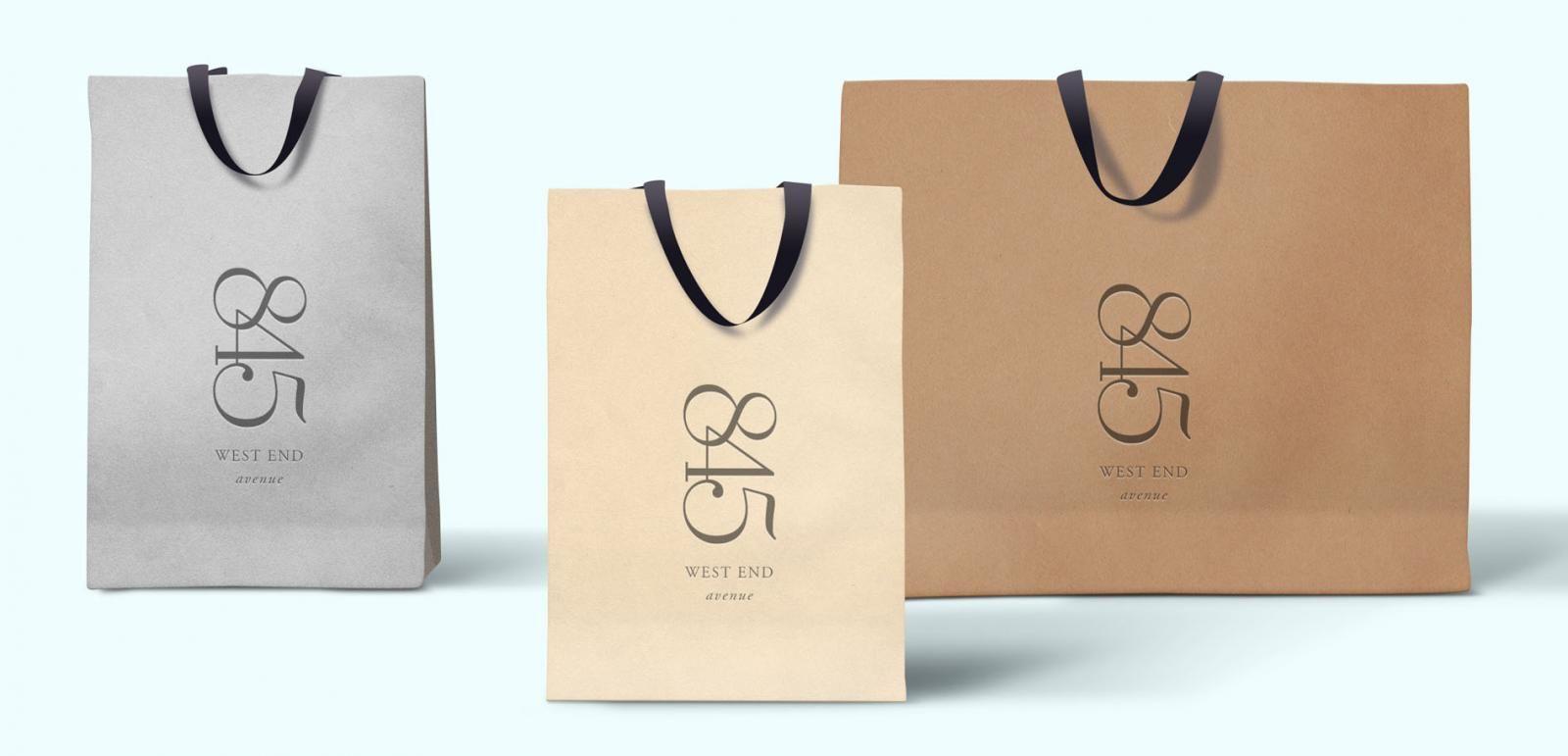
Pouches protect the product, but the bag is what walks down the street. Shoppers carry it past offices, cafés, and stations, which makes it a surprisingly effective advertisement. Custom boutique bags pair naturally with pouches because they carry the same look from the shelf to the sidewalk.
Pick the Right Style
Paper bags with twisted or flat handles feel natural and recyclable. Rope handles and thicker stock suit premium items. Cotton or non-woven options can be reused, which keeps your logo in circulation longer. Custom boutique bags in a neutral base color with a simple logo tend to stay on-brand season after season.
Keep the Details Consistent
Use the same colors, fonts, and logo placement across pouches, tissue, stickers, and bags. Consistency builds recognition quickly. Many shops add a seasonal sticker or ribbon to custom boutique bags, which refreshes the look for holidays without a full redesign.
Design Tips That Build Recognition
Keep It Simple and Legible
One bold color, a clear logo, and a short line of copy usually look more premium than a crowded layout. Use high-resolution vector files so printing stays crisp, and match your colors to your website, signage, and labels. When your custom packaging pouches look consistent with the rest of your shop, customers recognize you faster.
Add Small Personal Touches
A handwritten thank-you note, a sticker, or a small insert adds warmth at almost no cost. A QR code linking to care tips or a loyalty program gives shoppers a reason to engage after the sale.
Budget, Sampling, and Timing
Pricing depends on material, size, print method, finishes, and quantity. Setup costs such as plates or dies are spread across each order, so larger runs usually lower the cost per unit. Still, avoid overbuying before a design is proven. Start with a quantity you can use within a few months, then reorder as demand grows. Custom boutique bags include proofs and delivery in each quote, and confirm that your custom packaging pouches can be reordered using the same artwork file.
Production often takes several weeks, so order ahead of seasonal peaks. Always request a physical sample and test it with real products.
Frequently Asked Questions
Can I order a small batch to test a design?
Often, yes. Digital printing generally allows lower minimums, which suits a trial run. Many boutiques start with a small run of custom boutique bags in their most popular size and expand once customer feedback is positive.
Can customers reuse the pouches?
Yes, and that is a benefit. Fabric pouches and zip closures invite reuse for travel or storage, which keeps your logo in view long after the sale.
How can I make my packaging more eco-friendly?
Choose recycled or recyclable materials, water-based inks, and minimal plastic. Ask whether your custom packaging pouches can be made from mono-material films or natural fabrics, and print a short care or recycling note inside.
Final Thoughts
Good checkout packaging protects products, tells your story, and makes shoppers feel looked after. Choose materials that suit what you sell, size every pouch around your real products, and keep the design clean and consistent. Do that, and your custom packaging pouches will do more than hold your goods. They will help turn first-time visitors into regulars.

 English
 Arabic
 French
 Spanish
 Portuguese
 Deutsch
 Dutch
 Italiano
 Russian
 Romaian
 Portuguese (Brazil)
 Greek