
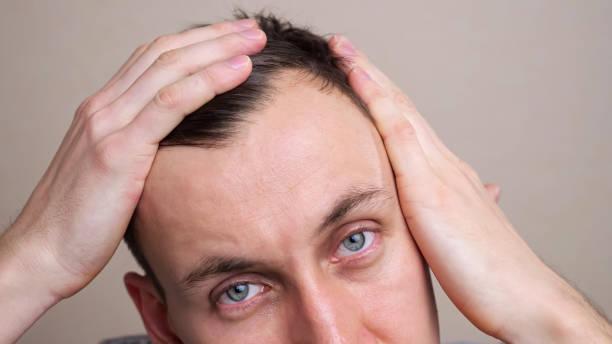
Hair loss can affect more than physical appearance. Gradual thinning, a receding hairline, or visible bald patches may influence confidence and make everyday styling more challenging. Fortunately, modern dermatology offers several hair restoration options designed to address different causes and patterns of hair loss. From topical medications and regenerative procedures to advanced surgical techniques, treatment plans can be tailored to individual needs. Choosing the right Hair Loss Treatment in Riyadh begins with understanding the reasons behind hair thinning and identifying the most appropriate way to manage it.
Hair restoration treatments aim to reduce ongoing hair loss, support existing follicles, improve hair density, or restore coverage in areas affected by permanent follicle loss. The results depend on the treatment selected, the underlying condition, and individual response. Some approaches work by managing hereditary hair loss, while others may help address temporary shedding or provide a surgical solution for suitable candidates. Understanding the benefits of Hair Loss Treatment in Riyadh can help individuals explore their options and develop realistic expectations.
What Are Hair Restoration Treatments?
Hair restoration includes medical, non-surgical, and surgical approaches used to manage hair thinning and hair loss. The treatment recommended depends on factors such as age, medical history, family history, scalp condition, and the pattern of hair loss.
Common options include topical minoxidil, certain prescription medications, platelet-rich plasma (PRP), low-level laser therapy, and hair transplantation. Other regenerative approaches, including mesotherapy and stem cell-based procedures, are also being explored, although their evidence and availability vary. A dermatologist or qualified hair-restoration specialist can help determine which options are appropriate.
Major Benefits of Hair Restoration Treatments
1. Helps Reduce Ongoing Hair Loss
One of the main goals of hair restoration is to slow or manage progressive hair thinning. Treatments such as minoxidil and certain prescription medications can help manage hereditary pattern hair loss in suitable patients. Early assessment may make it easier to protect existing hair before thinning becomes more advanced.
2. May Improve Hair Density
Some treatments can help existing follicles produce thicker strands or support additional growth. Medical therapies, PRP, and low-level laser therapy have shown varying levels of evidence for improving hair density in people with pattern hair loss. Results differ, and no treatment guarantees the same outcome for everyone.
3. Supports Healthier-Looking Hair
Hair restoration may improve the overall appearance of thinning areas by helping existing hair become fuller or by restoring coverage. Depending on the treatment, improvements may include thicker-looking strands, better scalp coverage, or a more balanced hairline.
4. Offers Solutions for Different Types of Hair Loss
Not all hair loss has the same cause. Some people experience temporary shedding after illness, stress, or nutritional deficiencies, while others develop hereditary thinning or inflammatory scalp conditions. A personalized treatment approach can address the underlying issue rather than relying on one solution for every patient.
For example, correcting an iron deficiency may help when low iron contributes to shedding, while hereditary pattern hair loss may require ongoing medical management. Scarring hair-loss conditions need specialist evaluation because follicle damage can be permanent.
5. Provides Non-Surgical Options
People who do not want surgery may consider non-surgical treatments. Depending on their diagnosis, options can include topical medications, PRP, and low-level laser therapy. These approaches generally do not require surgical incisions, although some procedures involve injections or repeated appointments.
Non-surgical treatments may be useful for managing early or moderate thinning, but they cannot replace transplantation when follicles have been permanently lost and surgical restoration is appropriate.
6. Can Restore Hair Coverage Through Transplantation
Hair transplantation is a surgical option for selected individuals with stable pattern hair loss and sufficient donor hair. During the procedure, hair follicles are taken from a donor area and placed into areas with reduced hair coverage.
Transplanted follicles can produce new hair growth after the recovery period. However, results depend on donor-hair quality, surgical technique, healing, and long-term hair-loss progression. A consultation is necessary to determine candidacy and discuss realistic outcomes.
7. May Improve Confidence and Quality of Life
For some individuals, visible hair loss can affect self-image and social confidence. When treatment produces a meaningful improvement, patients may feel more comfortable with their appearance and styling choices. Emotional benefits vary, and treatment should be based on personal goals rather than pressure to meet unrealistic appearance standards.
Which Hair Restoration Treatment Is Right for You?
The best treatment depends on the cause and severity of hair loss. A medical assessment may include examining the scalp, reviewing family and medical history, and checking for symptoms such as itching, inflammation, or sudden shedding. Blood tests may be recommended when a nutritional deficiency, thyroid problem, or another medical condition is suspected.
For hereditary pattern hair loss, topical minoxidil and certain prescription medicines are established options for suitable patients. PRP and low-level laser therapy may be considered in selected cases, although the strength of evidence differs. Hair transplantation may be appropriate for people with permanent hair loss and adequate donor follicles. Emerging treatments should be discussed carefully because their effectiveness and long-term safety may not yet be established.
Why Is Early Hair Loss Treatment Important?
Seeking professional advice when thinning first becomes noticeable can help identify the cause and prevent unnecessary delays in treatment. Some conditions are reversible when the underlying problem is addressed, while others may progress without appropriate management.
Early intervention does not guarantee complete hair recovery, but it can provide more opportunities to preserve existing follicles and manage future thinning. Sudden hair loss, patchy bald spots, scalp pain, redness, or scaling should be assessed by a dermatologist rather than treated with home remedies alone.
How Can You Maintain Results After Hair Restoration?
Maintaining results often requires consistency and regular follow-up. Patients should follow their prescribed treatment schedule, attend recommended reviews, and avoid changing medications or procedures without medical advice.
A balanced diet, adequate protein intake, gentle hair care, and management of relevant health conditions can also support general hair health. However, healthy lifestyle habits alone cannot reverse every form of hereditary or scarring hair loss. The long-term plan should be based on the underlying diagnosis.
Book a Hair Consultation at Royal Clinic Saudia
Finding an appropriate hair restoration approach starts with a professional assessment of the scalp and hair-loss pattern. At Royal Clinic Saudia, individuals can discuss their concerns, explore available treatment options, and receive guidance based on their needs. A personalized consultation can help establish realistic goals and identify suitable ways to manage hair thinning.
FAQs:
What is the most effective hair restoration treatment?
The most effective option depends on the cause of hair loss. Medical treatments, PRP, low-level laser therapy, and hair transplantation may be considered for different conditions and patients.
Can hair restoration treatments stop hair loss permanently?
Some treatments can manage or slow certain types of hair loss, but many require ongoing use to maintain results. Hair transplantation can provide lasting growth from transplanted follicles, although surrounding natural hair may continue to thin.
How long does it take to see results from hair restoration?
Results depend on the treatment. Medical and non-surgical approaches often require several months of consistent use before changes become noticeable. Hair transplantation also requires a recovery and regrowth period.
Are hair restoration treatments suitable for everyone?
No. Suitability depends on the cause of hair loss, overall health, scalp condition, and treatment goals. A qualified practitioner should assess the individual before recommending a procedure.

 English
 French
 Spanish
 Portuguese
 Deutsch
 Turkish
 Dutch
 Italiano
 Russian
 Romaian
 Portuguese (Brazil)
 Greek