
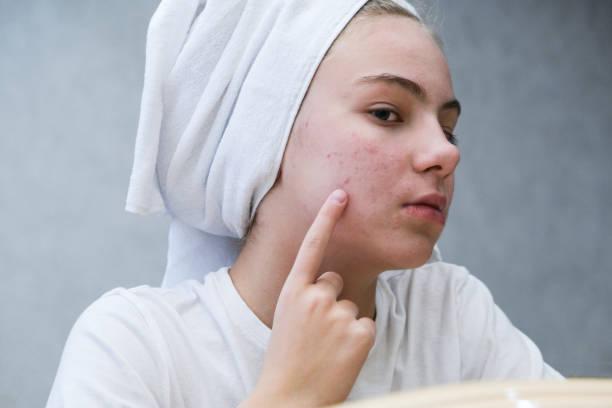
Laser acne scar treatments require investment—time, sessions, aftercare, patience. Yet one of the biggest threats to your results isn't the laser or the scars; it's the sun. UV exposure can cause pigmentation changes, delay healing, and compromise the improvements you're working toward. Laser Acne Scar Treatments in Riyadh Many patients focus intently on treatment protocols while overlooking sun protection—the simplest, most powerful habit for protecting their investment. This guide explains why sun protection matters so much after laser treatments and how to do it properly.
Why Sun Exposure Matters After Laser Treatment
Laser treatments disrupt the skin's barrier and trigger inflammation as part of healing, leaving treated skin more vulnerable to UV damage than usual. Sun exposure during this window can cause hyperpigmentation (darkening) or hypopigmentation (lightening), particularly on darker skin tones. It can also worsen inflammation, delay healing, and increase scarring risk. The skin remains sensitive for weeks after each session—not just days—which is why sun protection is a long-term commitment during your treatment journey.
The Pigmentation Risk Explained
Melanin-producing cells respond to UV exposure by producing more pigment—a protective mechanism that can become problematic in lasered skin. In treated areas, this response can be exaggerated, leading to patches of darkening that may persist for months. On darker skin tones, the risk of hypopigmentation—lightening of treated skin—is also significant. These changes can be more distressing than the original scars and may require additional treatment to address. Preventing them through sun protection is far easier than correcting them later.
How Long Sun Protection Is Needed
Sun protection isn't just for the first few days after treatment. Treated skin remains sensitive for weeks after each session—often four to six weeks or until fully healed—and cumulative sun exposure during your entire treatment course affects outcomes. Practical guidance: protect treated areas rigorously for at least the full healing window after each session, and maintain diligent sun protection throughout your treatment course, especially between sessions when the skin is remodeling.
Physical Protection: The First Line
During initial healing—when the skin may have redness, peeling, or sensitivity—physical protection is preferable to sunscreen. Cover treated areas with hats, clothing, or bandages as advised by your provider. Avoid direct sun exposure entirely during this phase. If the treatment area is on your face and you must be outdoors, use protective clothing and shade rather than applying products to healing skin. Physical barriers don't irritate healing tissue and provide reliable protection.
Sunscreen: When and How
Once your provider clears you to apply sunscreen, use it diligently. Choose a broad-spectrum formula with high SPF (30 or higher, ideally 50), and apply generously to treated areas before sun exposure—even on cloudy days, since UV penetrates clouds. Reapply every two hours during prolonged outdoor exposure and after swimming or sweating. Choose gentle, fragrance-free formulations suited to sensitive skin, and confirm timing with your provider, as recommendations vary by healing stage.
Sun Protection on Darker Skin Tones
Darker skin is not immune to UV damage—and after laser treatment, it faces particular risks of hypopigmentation and hyperpigmentation. The melanin that provides natural protection also competes with laser energy, which is why conservative settings are used—but it doesn't eliminate UV sensitivity in treated areas. Sun protection is equally essential on darker skin, and providers experienced with diverse skin types can recommend appropriate products and precautions.
Practical Strategies for Daily Life
Sun protection doesn't require avoiding life—it requires planning. Check UV index forecasts and limit outdoor time during peak hours (10 a.m. to 4 p.m.) when possible. Wear hats and protective clothing. Keep sunscreen in your bag, car, and at your desk for easy reapplication. Choose shade when outdoors for extended periods. If your treatment area is on your face or hands, be especially vigilant—these areas receive constant incidental exposure. Small daily habits provide substantial cumulative protection.
What Happens If You Get Sunburned
If treated skin gets sunburned, contact your provider—especially if blistering, significant redness, or pain occurs. Sunburn during healing can cause pigmentation changes and delay recovery. Don't apply ice directly or harsh products; follow your provider's guidance for soothing care. Document the exposure and monitor for changes in pigmentation over subsequent weeks. Early reporting allows your provider to adjust your treatment plan if needed and address any developing issues.
When to Seek Professional Guidance
If you're unsure about sunscreen timing, notice pigmentation changes, or experience sunburn during treatment, professional guidance can help. A consultation can assess your skin and recommend appropriate protection strategies. For personalized guidance on laser acne scar treatments and sun protection, a consultation with qualified professionals offers clarity and safe direction.
Final Thoughts: Protect the Investment
Sun protection after laser acne scar treatments isn't optional—it's essential. UV exposure can cause pigmentation changes, delay healing, and compromise results you've invested time and money to achieve. Protect treated areas physically during initial healing, apply broad-spectrum sunscreen diligently once cleared, and maintain vigilance throughout your treatment course. The sun is patient; your protection should be too.
Book an Appointment Consultation Clinic
For those seeking expert guidance and customized aesthetic care, you can book an appointment consultation at the Enfield Royal Riyadh.
FAQs
Why is sun protection important after laser acne scar treatment?
UV exposure causes pigmentation changes, delays healing, and can compromise results for weeks after each session.
When can I apply sunscreen to treated skin?
Once your provider clears you—during initial healing, use physical protection like hats and clothing instead.
What SPF should I use after laser treatment?
Broad-spectrum SPF 30 or higher, ideally 50, reapplied every two hours during outdoor exposure.
Can sun exposure cause permanent pigmentation changes?
Yes—hyperpigmentation or hypopigmentation can persist for months and may require additional treatment.
Is sun protection needed on darker skin tones?
Yes—treated skin on all tones is UV-sensitive; darker skin faces particular risks of hypopigmentation and hyperpigmentation.

 English
 Arabic
 French
 Spanish
 Deutsch
 Turkish
 Dutch
 Italiano
 Russian
 Romaian
 Portuguese (Brazil)
 Greek