
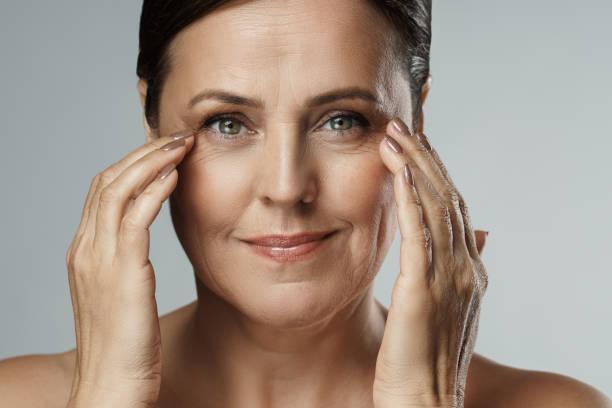
The area beneath the eyes can develop several changes that affect overall facial appearance. Some people notice dark patches or discoloration, while others experience puffiness or swelling beneath their lower eyelids. Although dark circles and eye bags often appear together, they are different concerns with different underlying causes and treatment options. Understanding the distinction is important when considering Eye Bag Removal in Riyadh or other under-eye treatments.
Dark circles mainly involve changes in skin pigmentation, visible blood vessels, or shadows beneath the eyes. Eye bags, on the other hand, usually involve puffiness caused by fat pockets, loose skin, or fluid retention. Identifying the difference between these concerns helps determine the most suitable treatment. Before choosing Eye Bag Removal in Riyadh, it is helpful to understand whether your main concern is puffiness, discoloration, or a combination of both.
What Are Dark Circles Under the Eyes?
Dark circles are areas of darker-looking skin beneath the eyes. They may appear brown, blue, purple, or gray, depending on skin tone and the underlying cause.
Common Causes of Dark Circles
Several factors can contribute to dark circles:
-
Genetics: Some people naturally have darker pigmentation or thinner skin beneath their eyes.
-
Aging: Skin becomes thinner with age, making underlying blood vessels more visible.
-
Lack of sleep: Poor sleep may make the under-eye area appear dull or more noticeable.
-
Sun exposure: Ultraviolet radiation can increase pigmentation in the skin.
-
Allergies: Allergic reactions may cause inflammation, rubbing, and changes in the appearance of the under-eye area.
-
Dehydration: Inadequate hydration can make the skin look dull or emphasize shadows.
-
Facial anatomy: Natural hollowness beneath the eyes can create shadows that resemble dark circles.
What Do Dark Circles Look Like?
Dark circles generally appear as discoloration beneath the lower eyelids. They do not necessarily involve swelling or excess tissue. Their appearance can vary depending on lighting, skin tone, and facial structure.
What Are Eye Bags Under the Eyes?
Eye bags refer to puffiness or swelling beneath the lower eyelids. They can create a raised or bulging appearance that makes the area look uneven.
Common Causes of Eye Bags
Under-eye bags may develop due to several factors:
-
Aging: Supporting tissues around the eyes can weaken over time.
-
Fat protrusion: Fat that normally supports the eyes may become more prominent beneath the lower eyelids.
-
Fluid retention: Temporary fluid accumulation can cause morning puffiness.
-
Genetics: Some people naturally develop prominent under-eye bags at a younger age.
-
Lifestyle habits: Poor sleep, smoking, and certain dietary habits may contribute to the appearance of puffiness.
-
Skin laxity: Reduced skin elasticity can make the lower eyelids appear loose or swollen.
What Do Eye Bags Look Like?
Eye bags usually appear as visible puffiness, swelling, or bulges beneath the eyes. Unlike dark circles, they involve a change in the contour of the under-eye area.
Dark Circles vs. Eye Bags: What Is the Main Difference?
Although both conditions affect the same facial area, they differ in appearance and underlying causes.
Appearance
Dark circles primarily involve discoloration beneath the eyes. Eye bags involve puffiness or bulging that changes the shape of the lower eyelid area.
Underlying Causes
Dark circles may result from pigmentation, visible blood vessels, thin skin, or facial shadows. Eye bags are more commonly associated with fat protrusion, weakened supporting tissues, loose skin, or fluid retention.
Treatment Options
Dark circles may respond to treatments that target pigmentation, skin quality, or under-eye hollowness. Eye bags may require approaches that address excess fat, skin laxity, or temporary fluid retention.
Long-Term Results
Treatment results vary according to the underlying cause. Some forms of pigmentation may require ongoing skincare or maintenance treatments, while surgical correction of prominent eye bags can provide longer-lasting improvement.
Can You Have Dark Circles and Eye Bags at the Same Time?
Yes. Many people experience both concerns simultaneously. For example, someone may have prominent fat pockets beneath the eyes along with darker pigmentation in the surrounding skin.
The combination can make the under-eye area look more tired or aged. Treating only one concern may not address the overall appearance, so a specialist should assess both pigmentation and under-eye structure before recommending treatment.
What Are the Treatment Options for Dark Circles?
The appropriate treatment depends on the cause of discoloration.
Topical Skincare Treatments
Certain skincare ingredients may help improve pigmentation and skin texture. Depending on individual skin needs, a specialist may recommend products containing vitamin C, niacinamide, or other suitable ingredients.
Chemical Peels
Selected superficial chemical peels may help improve certain types of pigmentation. Treatment around the eyes requires particular care because the skin is delicate.
Laser Treatments
Some laser treatments may target pigmentation or improve skin texture. The appropriate technology depends on skin tone, pigmentation type, and medical assessment.
Dermal Fillers
If dark circles are mainly caused by under-eye hollowness, carefully selected dermal fillers may help reduce the appearance of shadows. Fillers do not treat every type of dark circle and require an experienced medical professional because of the delicate anatomy around the eyes.
What Are the Treatment Options for Eye Bags?
Treatment for eye bags depends on whether the puffiness is temporary or caused by structural changes.
Lifestyle Changes
If puffiness is related to fluid retention, certain habits may help improve its appearance. These include getting sufficient sleep, managing allergies, reducing excessive salt intake, and avoiding rubbing the eyes.
Non-Surgical Treatments
Some non-surgical treatments may help selected patients with mild skin laxity or under-eye hollowness. However, they cannot remove significant fat pockets or excess skin.
Surgical Eye Bag Removal
Lower blepharoplasty is a surgical procedure that addresses prominent under-eye bags by removing or repositioning excess fat. In suitable patients, the surgeon may also remove loose skin to create a smoother lower eyelid contour.
A professional assessment helps determine whether surgery or a non-surgical approach is appropriate.
How Can You Tell Which Under-Eye Concern You Have?
You can begin by observing the appearance of the area beneath your eyes.
-
If the main concern is brown, blue, or purple discoloration, you may have dark circles.
-
If the area appears swollen or raised, you may have eye bags.
-
If there is both discoloration and puffiness, you may have both concerns.
-
If the area looks hollow or shadowed, the appearance may be related to facial volume loss.
These observations can provide a general idea, but they cannot replace a professional examination. A qualified specialist can identify the underlying cause and recommend an appropriate treatment plan.
Book Your Consultation at Royal Clinic Saudia
Dark circles and eye bags may look similar at first, but they often require different treatment approaches. At Royal Clinic Saudia, you can discuss your under-eye concerns and explore suitable options based on your skin condition and facial anatomy. If puffiness is your main concern, a consultation for Eye Bag Removal in Riyadh can help you understand the available treatments, expected results, and recovery process.
FAQs:
Are dark circles and eye bags the same thing?
No. Dark circles involve discoloration beneath the eyes, while eye bags involve puffiness or bulging caused by factors such as fat protrusion, loose skin, or fluid retention.
Can eye bag removal get rid of dark circles?
Eye bag removal primarily addresses puffiness and excess tissue. It may reduce shadows caused by prominent under-eye bags, but it does not directly treat pigmentation or all types of dark circles.
Can lack of sleep cause both dark circles and eye bags?
Poor sleep may make dark circles more noticeable and contribute to temporary under-eye puffiness. However, persistent dark circles and structural eye bags can have other causes, including genetics and aging.
Which treatment is better for dark circles and eye bags?
There is no single treatment for both concerns. Dark circles may require pigmentation or skin-focused treatments, while prominent eye bags may benefit from surgical correction. A professional assessment can help identify the most suitable option.

 English
 French
 Spanish
 Portuguese
 Deutsch
 Turkish
 Dutch
 Italiano
 Russian
 Romaian
 Portuguese (Brazil)
 Greek