
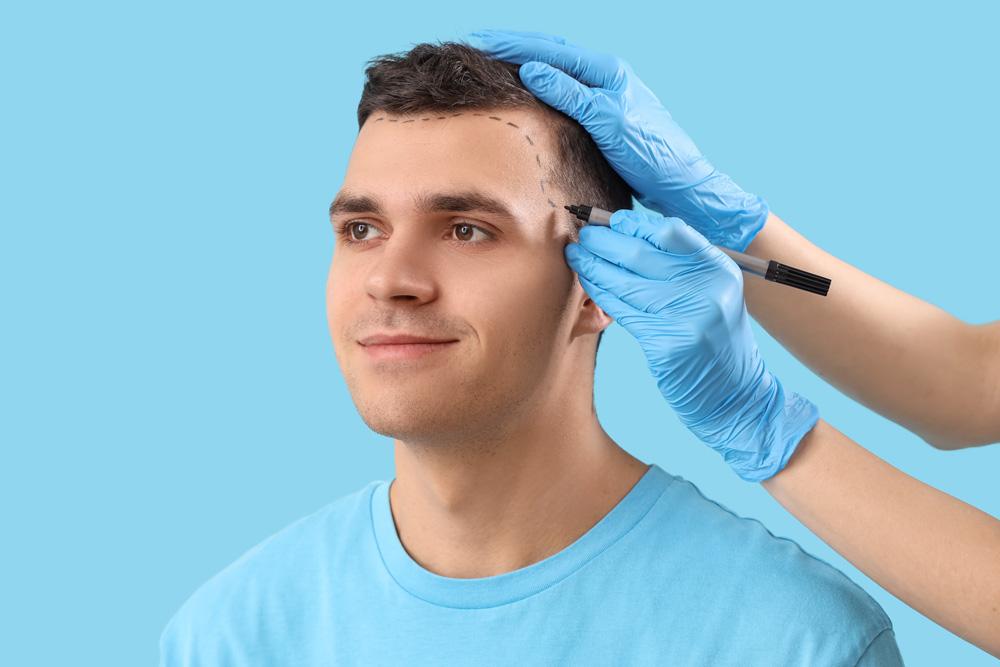
Choosing the right clinic is one of the most important decisions when considering a hair transplant in Islamabad. While modern hair restoration techniques can help improve hair density and restore a receding hairline, achieving natural-looking results depends on several factors, including the surgeon's experience, hairline design, donor hair assessment, and post-operative care. A successful hair transplant should complement the patient's facial features rather than create an artificial or overly dense appearance.
For individuals exploring hair restoration options in Islamabad, understanding how to evaluate a clinic can make the decision-making process easier. Patients should look beyond promotional offers and focus on medical expertise, personalised treatment planning, hygiene standards, and realistic expectations.
Why Choosing the Right Hair Transplant Clinic Matters
A hair transplant is a medical procedure that requires careful planning and technical expertise. The clinic you select can influence the appearance, growth pattern, and long-term development of transplanted hair.
An experienced medical team understands that every patient has a different hair type, scalp condition, facial structure, and pattern of hair loss. Therefore, treatment should never follow a one-size-fits-all approach.
A reliable clinic should prioritise:
-
Qualified professionals: Ensure the procedure is performed under the supervision of appropriately qualified and experienced medical professionals.
-
Individual assessment: Your scalp, donor area, and hair loss pattern should be evaluated before treatment.
-
Natural hairline design: The hairline should suit your age, facial proportions, and existing hair growth.
-
Appropriate technique: The clinic should explain whether FUE, FUT, or DHI is suitable for your circumstances.
-
Patient safety: Proper sterilisation, clinical hygiene, and medical protocols should be followed.
Selecting a clinic based on these factors helps patients make informed decisions rather than relying entirely on advertisements.
Evaluate the Surgeon's Experience and Qualifications
The surgeon's experience is an important consideration when searching for natural-looking hair transplant results. Hair restoration requires precision because transplanted follicles must be placed at appropriate angles, directions, and depths.
Before choosing a clinic, research the surgeon's qualifications and practical experience with hair restoration procedures.
Consider asking:
-
What medical qualifications and relevant training does the surgeon have?
-
How many years of experience does the surgeon have in hair restoration?
-
Does the surgeon personally perform the critical stages of the procedure?
-
Can the clinic explain its approach to different hair loss patterns?
-
What complications and limitations should patients understand?
A professional consultation should provide clear answers without making unrealistic promises. Patients should also understand which parts of the procedure are performed by the surgeon and which are handled by the clinical team.
Look for Natural Hairline Design and Placement
Hairline design is one of the most noticeable aspects of a hair transplant. An excessively straight, low, or densely packed hairline may appear unnatural, particularly as the patient ages.
A skilled surgeon considers facial proportions, forehead shape, existing hair direction, and future hair loss when planning the hairline.
Important elements of natural-looking hairline design include:
-
Creating an age-appropriate hairline.
-
Following the natural direction of hair growth.
-
Using appropriate follicle placement and spacing.
-
Considering facial symmetry without forcing perfect uniformity.
-
Planning density according to available donor hair.
Single-hair follicular units are commonly used along the frontal hairline to create a softer transition, while multi-hair grafts may be placed behind it where appropriate.
Patients should discuss their preferred appearance with the surgeon while remaining open to professional recommendations.
Review Before-and-After Results Carefully
Before-and-after photographs can help patients understand a clinic's previous work. However, photographs should be evaluated carefully rather than accepted as guaranteed evidence of future results.
Look for examples that show:
-
Similar hair loss patterns to your own.
-
Clear frontal hairline and crown views.
-
Consistent lighting and camera angles.
-
Results at different stages of recovery.
-
Follow-up photographs after sufficient hair growth time.
You can also ask whether the clinic can provide genuine patient testimonials or opportunities to discuss treatment experiences with previous patients, where appropriate and with their consent.
Remember that individual results vary according to donor hair quality, scalp condition, healing, and other medical factors.
Understand the Hair Transplant Techniques Available
Different hair transplant techniques serve different patient needs. The right approach depends on the patient's hair loss pattern, donor area, treatment goals, and medical suitability.
Common hair transplant techniques include:
FUE (Follicular Unit Extraction): Individual hair follicles are extracted from the donor area and implanted into areas affected by hair loss. It avoids a long linear donor-area scar, although small extraction marks may remain.
FUT (Follicular Unit Transplantation): A strip of scalp is removed from the donor area, and follicular units are separated for transplantation. It generally leaves a linear scar.
DHI (Direct Hair Implantation): This approach uses an implantation device to place extracted follicles into the recipient area. Its suitability depends on the patient's requirements and the surgeon's assessment.
Patients should not assume that one technique is automatically better than another. A qualified professional should explain the benefits, limitations, recovery requirements, and suitability of each option.
Check Consultation, Aftercare, and Patient Support
A hair transplant journey does not end when the procedure is completed. Proper aftercare and follow-up appointments are important for monitoring healing and identifying potential concerns.
A dependable clinic should provide clear instructions covering:
-
Scalp washing and hygiene.
-
Sleeping positions during early recovery.
-
Physical activity restrictions.
-
Medication and prescribed products.
-
Signs of infection or unusual complications.
-
Follow-up appointments and progress monitoring.
Patients should also receive realistic information about the hair growth timeline. Transplanted hair may initially shed, and visible growth generally develops gradually over several months. Final results often take around 12 months or longer, depending on individual circumstances and the treatment area.
Why Consider SKN Cosmetics in Islamabad?
When exploring hair restoration options, patients should consider clinics that emphasise professional assessment, personalised treatment planning, and patient education. SKN Cosmetics in Islamabad is one option patients can explore when researching hair transplant services.
Before proceeding, prospective patients should arrange a consultation to discuss their hair loss pattern, donor area condition, expected coverage, and suitable treatment options. They should also ask about the surgeon's qualifications, who performs each stage of the procedure, safety protocols, and available follow-up care.
A detailed consultation can help patients understand whether a proposed treatment plan matches their individual needs. Rather than focusing only on graft numbers or advertised prices, patients should prioritise medical suitability, natural hairline planning, and long-term expectations.
Consider Long-Term Hair Restoration Goals
Natural-looking results should complement your appearance now and remain appropriate as you age. Since hair loss can continue after transplantation, planning for future changes is important.
A suitable treatment plan may consider:
-
Existing hair density and potential future hair loss.
-
Donor hair availability and preservation.
-
Age and family history of hair loss.
-
Possible medical treatments for ongoing hair loss.
-
Whether additional procedures may be needed.
Patients should avoid clinics that guarantee permanent density or promise identical results for everyone. A realistic treatment plan considers both immediate improvements and long-term hair restoration needs.
Frequently Asked Questions (FAQs)
Q1. How do I choose the right hair transplant clinic?
Choose a clinic with qualified professionals, proper safety standards, personalised planning, and transparent patient guidance.
Q2. Which hair transplant technique gives natural results?
FUE, FUT, and DHI can produce natural-looking results when appropriately selected and performed.
Q3. How important is hairline design?
Hairline design is essential because it influences how natural the transplanted hair looks.
Q4. How long does a hair transplant take to show results?
Visible growth develops gradually, with final results often taking around 12 months or longer.
Q5. Why is a consultation important before a hair transplant?
It helps assess donor hair, scalp condition, hair loss patterns, and suitable treatment options.

 English
 French
 Spanish
 Portuguese
 Deutsch
 Turkish
 Dutch
 Italiano
 Russian
 Romaian
 Portuguese (Brazil)
 Greek