
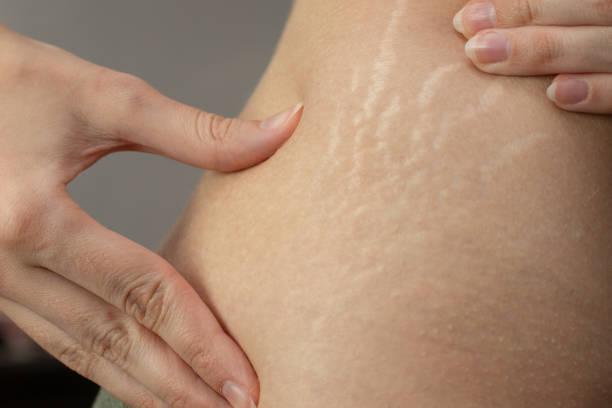
Stretch marks are common skin changes that can appear when the skin stretches rapidly due to growth, pregnancy, weight fluctuations, or muscle development. They often affect the abdomen, thighs, hips, buttocks, and arms. While these marks are harmless, many people explore ways to make them less noticeable and improve skin texture. Stretch mark removal in Riyadh (ليزر علامات التمدد) may involve professional procedures such as laser treatments, microneedling, and radiofrequency, while topical creams offer a non-invasive option for supporting skin hydration and appearance. Understanding the differences can help individuals choose an approach that matches their skin concerns and expectations.
What Are Professional Stretch Mark Removal Treatments?
Professional stretch mark treatments are procedures performed by trained practitioners to improve the appearance of affected skin. They may target skin texture, collagen structure, or discoloration, depending on the technology used.
Common options include:
-
Fractional laser treatment: Uses controlled laser energy to stimulate skin renewal and collagen remodeling.
-
Microneedling: Creates tiny controlled punctures that activate the skin's natural healing response.
-
Radiofrequency treatment: Uses heat energy to encourage collagen remodeling in targeted skin layers.
-
Radiofrequency microneedling: Combines fine needles with radiofrequency energy to address selected skin depths.
These procedures may help soften the appearance of stretch marks, but results vary according to their age, depth, skin type, and the treatment selected. Complete removal cannot be guaranteed.
What Are Topical Creams for Stretch Marks?
Topical creams are skincare products applied directly to the skin. They may contain moisturizing ingredients, oils, retinoids, or other active compounds intended to improve hydration, skin comfort, and overall appearance.
Common ingredients include:
Hyaluronic Acid
Hyaluronic acid helps attract and retain moisture. It can improve skin hydration and make dry or rough skin feel smoother, although it does not reliably remove established stretch marks.
Retinoids
Retinoids, including prescription tretinoin, influence skin cell turnover and collagen activity. Some evidence suggests they may improve the appearance of early stretch marks. However, they can cause irritation and are not suitable during pregnancy. Anyone considering a retinoid should consult a healthcare professional, particularly when breastfeeding or planning pregnancy.
Moisturizing Ingredients
Ingredients such as glycerin, ceramides, and shea butter help support the skin barrier and reduce dryness. They can improve skin softness and comfort but do not repair the structural changes responsible for established stretch marks.
Vitamin-Based Products
Some creams contain vitamin E or other antioxidant ingredients. These may support general skincare, but evidence that they significantly reduce stretch marks is limited. Product claims should be evaluated carefully.
Stretch Mark Removal vs. Topical Creams: Key Differences
Both approaches may have a place in a skincare plan, but they work differently and offer different levels of potential improvement.
Treatment Approach
Professional procedures use devices or specialized techniques to target the skin's structure and stimulate repair processes. Topical creams work mainly at the skin surface and support hydration or influence skin cell activity, depending on their ingredients.
Potential Results
Professional treatments may provide more noticeable improvement in skin texture for some individuals, particularly when stretch marks are mature or indented. Creams may improve dryness and skin softness, while certain active ingredients may help with early marks. Neither option guarantees complete removal.
Time Required
Creams generally need consistent application over an extended period before any visible changes can be assessed. Professional procedures may involve several sessions, followed by a recovery period and gradual collagen remodeling.
Level of Invasiveness
Topical products are non-invasive and can usually be incorporated into a regular skincare routine. Professional procedures vary in intensity. Microneedling and laser treatments may cause temporary redness, swelling, sensitivity, or peeling, depending on the technique.
Professional Supervision
Many moisturizers are available without a prescription, although active ingredients may still cause irritation. Procedures such as laser resurfacing and microneedling require assessment and performance by appropriately trained professionals.
Which Option Works Better for New Stretch Marks?
New stretch marks may appear red, pink, or purple. Their appearance can change over time as they mature.
For early marks, a healthcare professional may discuss topical treatments such as prescription retinoids when appropriate. Moisturizers can also help maintain skin hydration. Certain professional treatments may be considered depending on the color, skin type, and other characteristics of the marks.
Starting a skincare routine early may support skin comfort, but it does not guarantee that stretch marks will disappear.
Which Option Is More Suitable for Older Stretch Marks?
Older stretch marks commonly appear white, silver, or lighter than the surrounding skin. They may also have a slightly depressed or uneven texture.
Topical creams can help improve dryness and softness but are generally less effective at changing established structural marks. Professional procedures such as fractional laser treatment or microneedling may be considered to improve texture through collagen remodeling.
A practitioner should evaluate the skin before recommending a procedure, especially for people with darker skin tones who may have a higher risk of pigmentation changes after certain treatments.
Can Topical Creams and Professional Treatments Be Combined?
In some cases, skincare products may complement professional procedures. A practitioner may recommend gentle moisturizers or specific healing products before or after treatment, depending on the procedure.
However, combining treatments without guidance can increase irritation. Retinoids, exfoliating acids, and fragranced products may need to be paused around certain procedures. Patients should follow the recommended skincare schedule and avoid applying active ingredients to skin that has not fully recovered.
Factors to Consider Before Choosing a Treatment
The best approach depends on individual skin characteristics and treatment goals. Before deciding, consider:
-
Age of stretch marks: Newer and mature marks may respond differently.
-
Skin type and tone: Some procedures carry a greater risk of pigmentation changes in certain skin tones.
-
Texture concerns: Indented or uneven marks may require a treatment that targets collagen remodeling.
-
Sensitivity: People with reactive skin may need to avoid certain topical ingredients or procedures.
-
Lifestyle and recovery: Professional treatments may require downtime and specific aftercare.
-
Medical history: Pregnancy, breastfeeding, skin conditions, and medications can influence treatment suitability.
A professional assessment can help identify realistic options and avoid unnecessary treatments.
How to Maintain Healthy Skin During Treatment
Whether using topical products or undergoing professional procedures, consistent skin care is important. Gentle cleansing, regular moisturizing, and sun protection can help maintain skin health. Avoid excessive exfoliation and products that cause irritation.
It is also helpful to maintain stable weight patterns where possible and support general health through balanced nutrition and hydration. These habits may support skin health, although they cannot guarantee prevention or removal of stretch marks.
Choose a Suitable Approach at Royal Clinic Saudia
Topical creams and professional procedures serve different purposes. Creams can support hydration and skin comfort, while treatments such as fractional laser and microneedling may help improve the texture and visibility of established marks. If you are exploring Stretch mark removal in Riyadh, a professional consultation can help determine which options are suitable for your skin type, the age of your stretch marks, and your goals. At Royal Clinic Saudia (عيادات رويال كلينك), patients can discuss available treatment approaches and receive guidance based on their individual concerns. A personalized plan for Stretch mark removal in Riyadh can help set realistic expectations and support informed decisions about skin care.

 English
 French
 Spanish
 Portuguese
 Deutsch
 Turkish
 Dutch
 Italiano
 Russian
 Romaian
 Portuguese (Brazil)
 Greek