
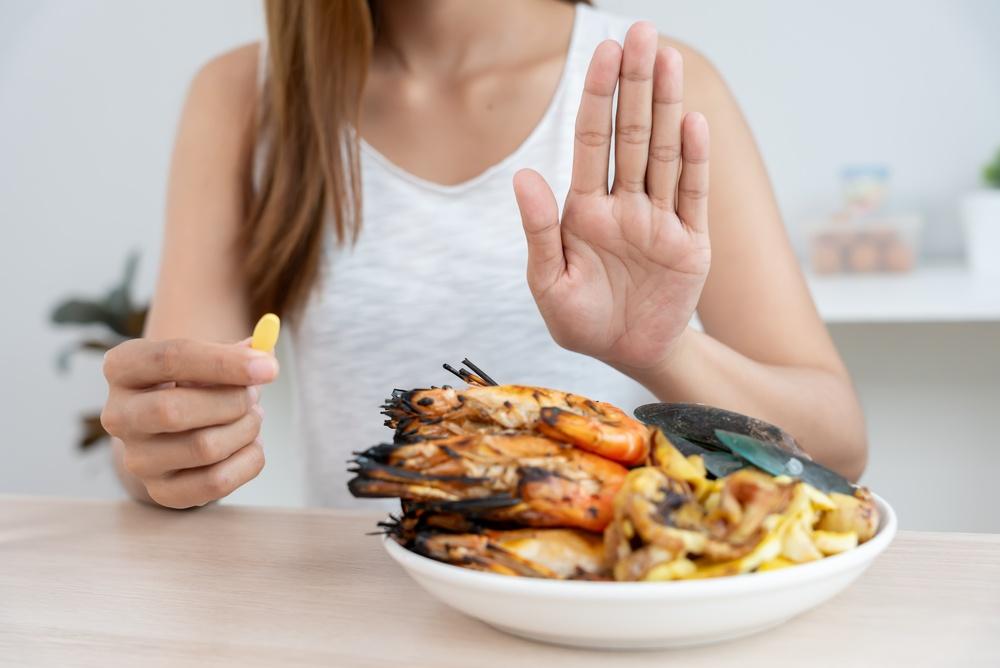
Food poisoning and stomach flu are common digestive problems that can cause nausea, vomiting, diarrhoea, and stomach pain. Because both conditions share similar symptoms, many people find it difficult to understand which illness they have. However, they have different causes, ways of spreading, and treatment requirements. Food poisoning usually develops after consuming contaminated food or drinks, while stomach flu is commonly caused by a viral infection that affects the digestive system.
Understanding the difference between food poisoning vs stomach flu can help you recognize warning signs, manage mild symptoms, and know when to seek medical attention. Although many cases improve with proper hydration and rest, severe symptoms may require professional medical care.
What Is Food Poisoning?
Food poisoning is an illness that develops after eating or drinking something contaminated with harmful bacteria, viruses, parasites, or toxins. These harmful substances can enter the digestive system and cause inflammation, leading to digestive discomfort and other symptoms.
Food contamination can happen during food preparation, cooking, transportation, or storage. Eating undercooked meat, unwashed vegetables, contaminated seafood, or improperly refrigerated meals can increase the risk of foodborne illness.
Common Causes of Food Poisoning
Several microorganisms can cause food poisoning. Salmonella is commonly associated with contaminated poultry, eggs, and other foods. E. coli can spread through contaminated water, undercooked meat, and unwashed vegetables. Campylobacter is another bacterial infection often linked to raw or undercooked poultry.
Some viruses, including norovirus, can also spread through contaminated food. In addition, certain bacteria produce toxins that can cause symptoms even when the bacteria are no longer present in the food.
Common Symptoms of Food Poisoning
Food poisoning symptoms can vary depending on the source of contamination. Common symptoms include nausea, vomiting, watery diarrhoea, abdominal cramps, fever, and weakness. Some people may also experience headaches and muscle aches.
How Quickly Do Symptoms Start?
Symptoms may begin within a few hours of eating contaminated food or take several days to develop. The timing depends on the specific bacteria, virus, parasite, or toxin responsible. Therefore, the last meal you ate is not always the source of the illness.
What Is Stomach Flu?
Stomach flu, medically known as viral gastroenteritis, is an infection that affects the stomach and intestines. Despite its name, it is not caused by influenza, which affects the respiratory system.
Norovirus is one of the most common causes of stomach flu. Rotavirus, adenovirus, and other viruses can also cause this digestive infection. The illness spreads through contact with infected individuals, contaminated surfaces, and sometimes contaminated food or water.
Common Symptoms of Stomach Flu
Stomach flu commonly causes watery diarrhoea, vomiting, nausea, stomach cramps, and a mild fever. Some people also experience body aches, headaches, and tiredness.
Symptoms usually appear after exposure to the virus. For example, norovirus symptoms commonly develop within 12 to 48 hours after infection. Most people recover within a few days, although some infections may last longer.
How Does Stomach Flu Spread?
Stomach flu can spread easily between family members, coworkers, and people sharing public spaces. Touching contaminated surfaces, sharing utensils, or preparing food without proper hand hygiene can spread the virus.
Washing hands thoroughly with soap and water and cleaning frequently touched surfaces can help reduce transmission.
Food Poisoning vs Stomach Flu: Key Differences
Although both conditions affect the digestive system, their causes and patterns of transmission are different. Food poisoning is generally linked to contaminated food or drinks, while stomach flu is usually caused by a contagious virus.
Food poisoning can sometimes spread between people, depending on the microorganism involved. Stomach flu, particularly norovirus, spreads easily through direct and indirect contact.
The timing of symptoms can also provide useful information. Food poisoning may begin within hours or several days after exposure, while norovirus symptoms commonly develop within 12 to 48 hours.
Food Poisoning vs Stomach Flu Comparison
| Factor | Food Poisoning | Stomach Flu |
| Main cause | Contaminated food or drinks | Usually a viral infection |
| Common organisms | Salmonella, E. coli, Campylobacter | Norovirus, rotavirus |
| Symptoms | Vomiting, diarrhoea, cramps | Vomiting, diarrhoea, cramps |
| Onset | Hours to several days | Depends on the virus |
| Contagiousness | Depends on the cause | Often highly contagious |
| Duration | Hours to several days or longer | Often a few days |
| Treatment | Hydration and cause-specific care | Mainly supportive care |
How Can You Tell Whether You Have Food Poisoning or Stomach Flu?
Understanding your recent activities and symptoms may help identify the possible cause of your illness. If you become sick after eating food that may have been contaminated, food poisoning could be a possibility. If several family members develop similar symptoms after contact with an infected person, stomach flu may be more likely.
However, these patterns cannot confirm a diagnosis. Both conditions can produce almost identical symptoms, and some viruses spread through contaminated food.
A healthcare professional can review your symptoms, medical history, recent meals, and possible exposure to determine whether further investigation is necessary.
How Are Food Poisoning and Stomach Flu Diagnosed?
Doctors usually begin with a physical examination and questions about symptom duration, recent food consumption, travel, and contact with sick individuals.
In certain cases, stool testing can help blood test at home identify bacteria, viruses, or parasites. Blood tests may also help evaluate dehydration, electrolyte imbalance, and signs of infection.
Not everyone needs laboratory testing. A doctor generally recommends investigations when symptoms are severe, persistent, unusual, or associated with warning signs.
Treatment for Food Poisoning and Stomach Flu
Treatment depends on the cause and severity of the illness. Most mild cases improve with rest, sufficient fluids, and careful food choices.
How to Treat Food Poisoning
The main priority when managing food poisoning is replacing lost fluids. Vomiting and diarrhoea can cause dehydration, so drinking water and oral rehydration solutions can help restore fluid and electrolyte levels.
People should eat small portions of easily digestible foods when they feel ready. Severe bacterial infections may require specific medical treatment. However, antibiotics are not suitable for every type of food poisoning and should only be used when prescribed by a healthcare professional.
How to Treat Stomach Flu
There is no specific antibiotic treatment for viral gastroenteritis. Most patients recover through supportive care, including hydration, rest, and appropriate nutrition.
Drinking small amounts of fluid frequently can help people who feel nauseated. Oral rehydration solutions are particularly useful when vomiting or diarrhoea causes significant fluid loss.
What Should You Eat During Recovery?
Choosing suitable foods can make recovery more comfortable. Bananas, rice, toast, potatoes, and clear soups are often easier to tolerate than heavy meals.
Avoid fried foods, excessive caffeine, alcohol, and very spicy meals while symptoms continue. Dairy products may also worsen diarrhoea in some people.
Importance of Staying Hydrated
Dehydration is one of the most common complications of food poisoning and stomach flu. Watch for dry mouth, dark urine, dizziness, excessive thirst, and reduced urination.
Oral rehydration solutions help replace water and essential electrolytes lost through vomiting and diarrhoea. If someone cannot keep fluids down or develops severe dehydration symptoms, they need prompt medical assessment.
When Should You See a Doctor?
Most mild digestive infections improve without serious complications. However, certain symptoms require professional medical attention.
Seek medical advice if you experience blood in your stool, persistent vomiting, severe abdominal pain, high fever, prolonged diarrhoea, or signs of dehydration.
Infants, older adults, pregnant women, and people with weakened immune systems may develop complications more easily. They should seek medical guidance earlier rather than waiting for symptoms to become severe.
A healthcare professional may recommend a doctor at Home assessment when travelling to a clinic is difficult and the patient's condition is stable. A home visit can help evaluate symptoms, hydration, and the need for further treatment. However, emergency warning signs require immediate hospital care.
If further investigation is necessary, a blood test at home may help assess certain health indicators, including electrolyte levels, when clinically appropriate. A lab test at home may also be useful when a healthcare professional recommends suitable sample collection and testing.
How to Prevent Food Poisoning and Stomach Flu
Good hygiene and safe food practices can reduce the risk of both conditions. Always wash your hands before preparing meals and after using the bathroom. Cook meat, poultry, and seafood properly, wash fruits and vegetables, and refrigerate perishable foods promptly.
Avoid consuming food that has been stored incorrectly or exposed to unsafe temperatures. During hot weather, take extra care with outdoor meals, buffets, and takeaway food.
To prevent stomach flu, avoid sharing utensils with infected individuals and disinfect frequently touched surfaces. Wash hands thoroughly with soap and water, especially after cleaning vomit or diarrhoea. People with norovirus should avoid preparing food for others while sick and for at least 48 hours after symptoms stop.
Frequently Asked Questions
1. How Can You Tell the Difference Between Food Poisoning and Stomach Flu?
Food poisoning usually develops after consuming contaminated food or drinks, while stomach flu is commonly caused by a contagious viral infection. Both can cause vomiting, diarrhoea, nausea, and abdominal cramps. Symptoms and exposure history can provide clues, but medical assessment may be needed for an accurate diagnosis.
2. Which Is Worse, Food Poisoning or Stomach Flu?
Neither condition is always worse. Mild cases of both usually improve within a few days. However, severe foodborne infections and viral gastroenteritis can cause significant dehydration and other complications, particularly in young children and older adults.
3. How Long Does Food Poisoning Usually Last?
Food poisoning can last from several hours to several days, depending on the organism responsible. Some bacterial and parasitic infections may cause symptoms for longer and require medical treatment.
4. Is Stomach Flu More Contagious Than Food Poisoning?
Stomach flu, especially norovirus, is highly contagious and can spread through direct contact and contaminated surfaces. Food poisoning is usually associated with contaminated food, although certain foodborne infections can also spread between people.
5. What Is the Fastest Way to Recover From Food Poisoning or Stomach Flu?
The most important steps are staying hydrated, resting, and eating small portions of easily digestible foods when tolerated. Oral rehydration solutions can help replace lost fluids and electrolytes. Seek medical attention if symptoms become severe, persistent, or associated with dehydration.
Final Thoughts
Food poisoning and stomach flu may cause similar digestive symptoms, but understanding their causes, transmission, and recovery patterns can help you make better health decisions. Both conditions require attention to hydration, hygiene, and appropriate medical care. Do not ignore persistent vomiting, severe diarrhoea, blood in stool, or dehydration symptoms. Seeking timely medical advice can help prevent complications and support a safer recovery.

 English
 French
 Spanish
 Portuguese
 Deutsch
 Turkish
 Dutch
 Italiano
 Russian
 Romaian
 Portuguese (Brazil)
 Greek