
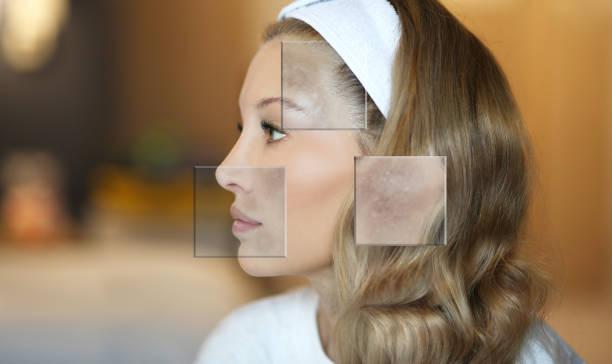
Preparing for your first melasma appointment can help you understand your skin condition, explore suitable treatment options, and develop realistic expectations. Melasma causes brown or greyish patches to appear on the skin, commonly affecting the cheeks, forehead, nose, and upper lip. During an initial consultation, a qualified skin professional evaluates the pigmentation, reviews possible triggers, and discusses an appropriate care plan. If you are considering melasma treatment, knowing what happens during the first appointment can make the experience more comfortable and informative.
The consultation is not necessarily focused on starting a procedure immediately. Its main purpose is to understand your skin, identify the likely cause of pigmentation, and determine which treatments may be appropriate for your individual needs.
Why Is the First Melasma Appointment Important?
Melasma can resemble other pigmentation conditions, including sunspots and post-inflammatory hyperpigmentation. Although these conditions may look similar, their causes and treatment approaches can differ.
An initial assessment helps the professional understand the pattern, depth, and possible triggers of pigmentation. It also provides an opportunity to review your medical history, skincare routine, previous treatments, and expectations.
A personalized assessment is particularly important because some treatments that improve pigmentation in one person may irritate another person's skin.
What Happens Before Your First Appointment?
A little preparation can help make the consultation more productive. You do not need to make major changes to your skincare routine beforehand, but sharing accurate information can help the professional evaluate your condition.
Prepare Your Skin History
Think about when you first noticed pigmentation and whether it has changed over time. Information about previous skin treatments, pregnancy-related pigmentation, hormonal medication, and family history may also be relevant.
Bring Your Current Skincare Products
If possible, make a list of the skincare products you currently use. Include prescription creams, exfoliating products, serums, sunscreen, and any skin-lightening treatments.
This helps the professional identify ingredients that may be contributing to irritation or influencing your pigmentation.
Share Previous Treatment Experiences
If you have previously tried chemical peels, laser procedures, prescription creams, or other pigmentation treatments, explain what happened. Mention whether you experienced improvement, irritation, or darker patches afterward.
This information can help guide safer treatment decisions.
How Is Melasma Evaluated During the Consultation?
The first appointment generally begins with a discussion about your concerns and a visual examination of the affected skin.
The professional may evaluate several characteristics to understand the condition.
Pigmentation Location and Appearance
The cheeks, forehead, upper lip, nose, and chin are commonly examined. The professional may look at the color, shape, distribution, and symmetry of the patches.
Skin Type and Sensitivity
Natural skin tone, oil production, dryness, and sensitivity can influence treatment selection. People with darker skin tones may have a greater tendency to develop post-inflammatory hyperpigmentation after irritation or certain procedures.
Possible Contributing Factors
The consultation may include questions about sun exposure, hormonal changes, pregnancy, medications, and family history. These details help identify possible triggers that may need to be addressed during treatment.
Specialized Skin Assessment
In some cases, a Wood's lamp examination or another specialized assessment may help evaluate the distribution and apparent depth of pigmentation. Additional investigations are not always necessary because melasma can often be diagnosed through clinical examination.
What Treatment Options May Be Discussed?
After evaluating your skin, the professional may explain different management options. The recommended approach depends on pigmentation characteristics, medical history, skin sensitivity, and previous treatment response.
Topical Pigmentation Treatments
Topical products are commonly included in melasma management. Depending on your needs, a dermatologist may recommend ingredients such as:
-
Azelaic acid: May help improve uneven pigmentation and can be useful for some acne-prone skin types.
-
Vitamin C: An antioxidant that may support a brighter-looking complexion.
-
Niacinamide: May help improve uneven skin tone and support the skin barrier.
-
Prescription treatments: Certain medications, including hydroquinone-based products, may be recommended for selected patients.
Prescription treatments should be used according to professional instructions because they can cause irritation or other side effects.
Chemical Peels
Superficial chemical peels may help improve pigmentation by encouraging the removal of some pigmented surface cells. The professional should select the peel type and strength according to your skin tone and sensitivity.
Aggressive peels may cause irritation and worsen discoloration, so careful selection is essential.
Laser and Light-Based Procedures
Some laser or light-based procedures may be considered for selected patients, particularly when other approaches have not provided sufficient improvement.
However, these treatments require caution because they can sometimes trigger additional pigmentation or worsen melasma. They are not suitable for everyone, and a qualified dermatologist should discuss potential risks before recommending them.
Will You Receive Treatment During the First Appointment?
Whether treatment begins during the first visit depends on the consultation findings and the clinic's assessment process.
Some patients may receive skincare recommendations or a prescription plan first. Others may be suitable for a selected procedure after their skin has been evaluated and the potential benefits and risks have been discussed.
There is no requirement to undergo a procedure immediately. Taking time to understand the available options, expected outcomes, and possible side effects is an important part of informed decision-making.
What Questions Should You Ask During Your Appointment?
Your first consultation is an opportunity to understand your condition and discuss any concerns. Consider asking:
-
Is my pigmentation definitely melasma, or could it be another skin condition?
-
What factors may be contributing to my pigmentation?
-
Which treatment options are suitable for my skin type?
-
How long might it take to notice improvement?
-
What side effects should I know about?
-
How can I reduce the risk of pigmentation returning?
-
Will I need ongoing skincare or follow-up appointments?
Clear communication helps ensure that the treatment plan reflects your expectations and medical needs.
How Long Does It Take to See Melasma Treatment Results?
Melasma usually requires consistent management, and improvements are often gradual. Some people may notice changes after several weeks, while others need several months of treatment.
The response depends on pigmentation depth, treatment selection, skin characteristics, and consistency. Melasma can also return after improvement, particularly when sun exposure and other triggers are not managed.
A professional may recommend follow-up assessments to monitor progress and adjust the approach when necessary.
How Can You Prepare for Your First Treatment Plan?
After the consultation, follow the recommended skincare instructions carefully. Use broad-spectrum sunscreen with SPF 30 or higher every day, and consider a tinted formula containing iron oxides for additional visible-light protection.
Avoid introducing multiple strong skincare products without professional advice. Harsh exfoliation and skin irritation may make pigmentation more noticeable.
If a procedure is recommended, ask about preparation, recovery, possible side effects, and aftercare before scheduling it.
Begin Your Melasma Care Journey at Royal Clinic Saudia
Your first consultation is an important opportunity to understand your pigmentation and explore suitable ways to manage it. If you are considering Melasma Treatment in Riyadh, a professional skin assessment can help identify possible triggers and guide an individualized treatment approach. At Royal Clinic Saudia, patients can discuss their concerns, review available options, and learn what to expect from professional care. With realistic expectations, consistent sun protection, and appropriate guidance, you can take informed steps toward managing melasma and improving uneven skin tone.

 English
 French
 Spanish
 Portuguese
 Deutsch
 Turkish
 Dutch
 Italiano
 Russian
 Romaian
 Portuguese (Brazil)
 Greek