
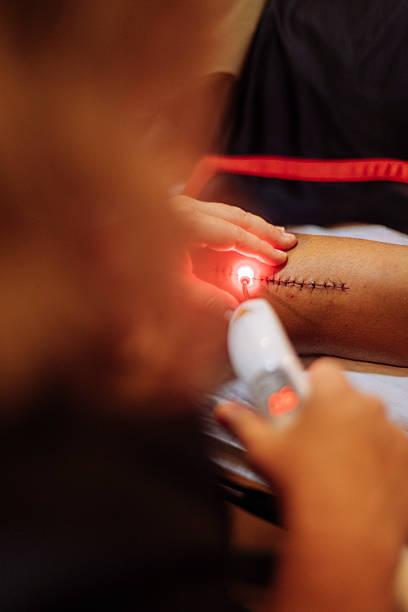
Uneven skin texture is one of the most noticeable features of certain acne scars and other forms of skin damage. These changes often involve differences in collagen structure, tissue volume, and the way the skin healed after an injury. Some laser technologies are designed to create controlled treatment zones that encourage a repair response. Laser Scar Removal in Dubai may therefore be considered for selected scars where improving texture and supporting collagen remodelling are important treatment goals.
Understanding Collagen's Role in Skin Structure
Collagen is a structural protein that helps provide strength and support to the skin. It forms part of the connective tissue framework that contributes to skin firmness and organisation.
During wound healing, the body produces collagen to repair damaged tissue. However, the resulting arrangement may differ from the original skin structure.
This can contribute to several visible scar characteristics:
-
Depressed or sunken areas
-
Raised and thickened tissue
-
Uneven surface texture
-
Changes in skin flexibility
-
Differences in the appearance of the surrounding skin
The type and organisation of collagen within a scar can influence its appearance.
Why Some Scars Have Uneven Texture
Scarring is part of the body's natural repair process, but healing does not always recreate the original tissue structure.
Collagen loss in depressed scars
Atrophic scars may develop when inflammation or injury damages the supporting structures beneath the skin. The resulting tissue loss can leave visible depressions.
Excess collagen in raised scars
Hypertrophic scars and keloids involve excessive collagen accumulation. These scars may become firm, raised, or uncomfortable.
Irregular collagen organisation
Some scars have uneven collagen arrangement, which can affect their surface texture and flexibility.
These differences explain why one treatment approach cannot be expected to improve every type of scar.
How Laser Energy May Influence Collagen Remodelling
Certain laser systems deliver controlled energy to selected skin layers. This can produce a controlled thermal or tissue-removal effect, depending on the technology.
The skin then begins a repair response that may involve changes in collagen production and organisation.
Fractional laser treatment
Fractional devices create microscopic treatment zones while leaving surrounding areas untreated.
The intended benefit is to stimulate a healing response within the targeted zones. Over time, this process may improve selected textural irregularities.
Ablative laser resurfacing
Ablative systems remove or vaporise controlled portions of the skin surface. The subsequent healing process may involve tissue repair and collagen remodelling.
These procedures can involve more noticeable recovery and require careful patient selection.
Non-ablative fractional treatment
Non-ablative systems deliver energy into the skin without removing the surface in the same manner as ablative lasers.
They may be considered for gradual improvement in selected scars, although multiple sessions may be required.
Laser Scar Removal in Dubai and the Gradual Healing Process
Collagen remodelling does not happen instantly. The skin requires time to respond after treatment, and visible changes may develop over several weeks or months.
The process can involve several stages:
-
Controlled treatment: Laser energy is delivered to the selected skin areas.
-
Initial response: The treated tissue undergoes a healing response.
-
Repair activity: The body works to repair the affected areas.
-
Remodelling: Collagen structure may gradually change.
-
Visible assessment: The dermatologist evaluates whether texture or other scar features have improved.
The exact process varies by laser technology, treatment intensity, and individual healing characteristics.
Which Scars May Benefit From Collagen Remodelling?
Laser-induced remodelling may be considered for selected scars where surface texture or tissue structure is a treatment concern.
Selected atrophic acne scars
Some boxcar and rolling scars may respond to fractional resurfacing. Deep ice-pick scars or tethered depressions may need other procedures in addition to laser treatment.
Selected surgical scars
Certain surgical scars may benefit when uneven texture or surface irregularity is present. Raised scars may require a different treatment plan.
Other textural irregularities
Some traumatic scars may be considered for resurfacing, depending on their depth, location, and healing history.
A clinical assessment is necessary to determine whether collagen remodelling is a realistic treatment objective.
Factors That Influence Collagen Response
Not every patient experiences the same degree of improvement. Several factors can influence the response to treatment.
Age and skin condition: Skin characteristics and healing responses vary between individuals.
Scar depth: Deep tissue loss or fibrous attachments may limit the effect of surface-focused treatment.
Laser selection: Different wavelengths and treatment methods affect tissue in different ways.
Treatment intensity: Higher intensity is not automatically better and may increase the risk of complications.
Skin pigmentation: Certain treatments can cause post-inflammatory pigmentation, especially in skin types with a greater tendency toward dark marks.
Why Results Should Not Be Guaranteed
The concept of collagen stimulation is a proposed mechanism for some laser procedures, but it does not prove that every scar will become smoother or that improvement will be substantial.
Patients should ask for clinical evidence relevant to the exact device and scar type. They should also understand that laser treatment cannot always restore the original skin structure.
Some scars may require combination treatment, while others may show limited response.
Supporting Skin Recovery After Treatment
Aftercare helps protect the skin while it heals. Patients should follow the dermatologist's instructions regarding cleansing, moisturising, and sun protection.
General recovery considerations include:
-
Avoiding unnecessary friction or picking
-
Using recommended skincare products
-
Protecting the area from direct sunlight
-
Avoiding irritating active ingredients until cleared
-
Attending follow-up appointments
-
Reporting unexpected symptoms promptly
These measures support appropriate recovery but do not guarantee a particular cosmetic result.
Clinic Note
Collagen remodelling is one proposed mechanism behind selected laser resurfacing treatments. The outcome depends on the scar's structure and the individual's healing response. Patients should focus on realistic improvements in specific scar features rather than expecting complete skin restoration.
Frequently Asked Questions
Does laser treatment create new collagen?
Some laser treatments are designed to stimulate a repair response that may involve collagen remodelling. The extent of this response varies, and it does not guarantee visible scar improvement.
How long does collagen remodelling take?
Visible changes may develop gradually over weeks or months. The timeline depends on the treatment and individual healing response.
Can collagen stimulation remove deep acne scars?
It may improve selected textural features, but deep or tethered scars often require additional procedures.
Is fractional laser suitable for every scar?
No. Fractional treatment may be appropriate for selected scars, but raised scars, keloids, and certain deep scars need different clinical approaches.
Does more laser energy produce more collagen?
Not necessarily. Higher treatment intensity can increase the risk of tissue injury and complications. Treatment settings should be selected carefully.
Can skincare products replace laser treatment?
Skincare may help with pigmentation, hydration, and overall skin condition, but it cannot reliably correct every structural scar. The appropriate approach depends on the scar type.
Explore Skin Texture Treatments at Tajmeels Clinic
Improving scar texture requires an understanding of the skin's healing process and the structure of the affected tissue. Tajmeels Clinic can be approached to discuss scar concerns, collagen-related treatment goals, and available options. A personalised consultation can help determine whether laser resurfacing or another approach is suitable for your skin.

 English
 French
 Spanish
 Portuguese
 Deutsch
 Turkish
 Dutch
 Italiano
 Russian
 Romaian
 Portuguese (Brazil)
 Greek