
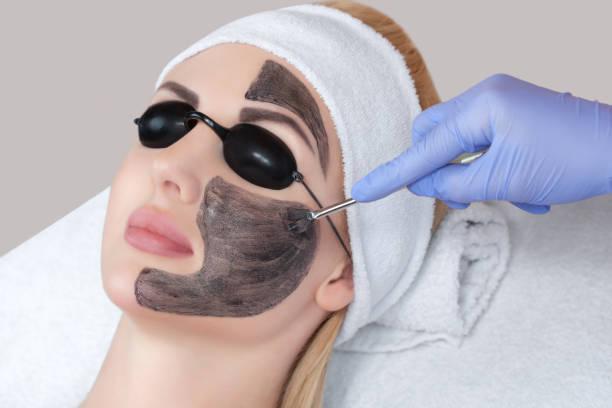
Dark spots and uneven skin tone can develop for several reasons, including sun exposure, inflammation, and hormonal influences. Although these concerns may look similar, they do not always respond to the same treatments. People considering Spectra Laser Carbon Peeling in Dubai for pigmentation should first understand the difference between superficial discoloration and conditions such as melasma.
Carbon peeling is a laser-assisted cosmetic procedure generally used for selected surface concerns, including oiliness, congestion, and dullness. It should not be assumed to treat every form of pigmentation. A proper diagnosis is essential before choosing any laser-based approach.
Understanding Common Types of Skin Pigmentation
Pigmentation occurs when melanin, the pigment responsible for skin colour, becomes unevenly distributed or produced in greater amounts in certain areas.
The appearance, depth, and cause of discoloration influence treatment selection.
Sun Spots and Solar Lentigines
Sun spots, sometimes called solar lentigines, are flat brown marks associated with cumulative ultraviolet exposure. They commonly appear on areas that receive regular sunlight, such as the face, hands, shoulders, and chest.
Their appearance can resemble other pigment conditions, so a practitioner should assess suspicious or changing spots rather than treating them as routine cosmetic discoloration.
Melasma
Melasma usually appears as irregular brown or grey-brown patches, often on the cheeks, forehead, upper lip, or chin. It is associated with multiple factors, including ultraviolet exposure, visible light, hormonal influences, and genetic susceptibility.
Melasma can be persistent and may return after treatment. Procedures that cause irritation or inflammation can sometimes make it worse.
Post-Inflammatory Hyperpigmentation
Post-inflammatory hyperpigmentation develops after skin inflammation or injury. Acne, eczema, burns, and certain cosmetic procedures can leave darker marks, particularly in skin types more prone to pigmentation changes.
Treatment should address both the underlying cause and the remaining discoloration.
How Spectra Laser Carbon Peeling in Dubai Works
Carbon peeling involves applying a topical carbon preparation to the skin and using a suitable laser to interact with the carbon layer. The process helps remove the applied particles and associated surface material.
The procedure may be considered for selected concerns involving oiliness, mild congestion, and dull-looking skin. It is not automatically appropriate for sun spots, melasma, or post-inflammatory pigmentation.
Assessing Pigmentation Before Spectra Laser Carbon Peeling in Dubai
Before any laser-based treatment, the practitioner should establish:
-
The likely type and depth of pigmentation
-
Whether the discolouration is stable or changing
-
The patient's skin tone and pigmentation history
-
Previous reactions to lasers or chemical treatments
-
Current skincare and medication use
-
Whether a different treatment is more suitable
This assessment helps reduce the risk of selecting an inappropriate procedure.
Can Carbon Peeling Fade Sun Spots?
Carbon peeling should not be presented as a dedicated or guaranteed sun-spot removal treatment. Some patients may seek it for general skin refreshment or surface unevenness, but distinct solar lentigines may require a more targeted approach.
A dermatologist may consider other options depending on the diagnosis, such as selected pigment-targeting lasers, topical treatments, or chemical peels. The choice depends on the lesion's appearance, skin type, and risk profile.
Is Carbon Peeling Suitable for Melasma?
Melasma requires particular care because it can be triggered or aggravated by heat, inflammation, and ultraviolet or visible light exposure.
A laser procedure may not be appropriate for every patient with melasma. Even when a laser is considered, careful settings, treatment selection, and ongoing maintenance are important.
Why Caution Matters With Spectra Laser Carbon Peeling in Dubai
Patients with melasma should not assume that a treatment described as gentle or non-invasive is automatically risk-free. Any procedure that irritates the skin may potentially trigger further pigmentation.
A practitioner should discuss the possibility of worsening discoloration, recurrence, and the need for ongoing sun protection before treatment.
Sun Protection and Pigmentation Management
Sun protection is central to managing many forms of pigmentation. Without consistent protection, dark marks may persist or become more noticeable.
Helpful habits include:
-
Applying broad-spectrum sunscreen daily.
-
Reapplying sunscreen as directed, especially outdoors.
-
Wearing hats and protective clothing.
-
Seeking shade during periods of strong sunlight.
-
Using skincare products recommended for the diagnosed condition.
-
Avoiding unnecessary skin irritation and aggressive exfoliation.
For melasma, a practitioner may also discuss tinted sunscreen containing iron oxides because visible light can contribute to pigmentation in some patients.
Other Treatments That May Be Considered
Treatment depends on the type of discoloration. Options may include prescription topical agents, selected pigment-targeting procedures, chemical peels, or a combination of approaches.
Not every treatment is suitable for every skin tone. Patients with a history of post-inflammatory hyperpigmentation may need a conservative plan and careful monitoring.
A changing, irregular, bleeding, or otherwise unusual pigmented lesion should be medically assessed before any cosmetic procedure.
Recovery and Possible Side Effects
If carbon peeling is considered appropriate, patients may experience temporary redness, warmth, or sensitivity. Other laser or pigment treatments can have different recovery requirements, including temporary darkening, crusting, or peeling.
Aftercare should be specific to the procedure. Patients may be advised to:
-
Use gentle skincare.
-
Avoid picking or rubbing the treated area.
-
Apply sunscreen consistently.
-
Pause strong exfoliating products until advised.
-
Follow the clinic's instructions about moisturising and active ingredients.
Clinic Note: Sun spots, melasma, and post-inflammatory hyperpigmentation are different conditions. A treatment suitable for one may be unsuitable for another. A professional skin assessment should come before choosing carbon peeling or any pigment-focused procedure.
Frequently Asked Questions
Can Spectra Laser Carbon Peeling in Dubai remove melasma?
It should not be considered a guaranteed melasma treatment. Melasma needs an individual management plan, and some laser procedures may worsen it.
Are sun spots and melasma the same?
No. Sun spots are commonly associated with cumulative ultraviolet exposure, while melasma has multiple contributing factors, including hormonal and environmental influences.
Can laser treatments make pigmentation darker?
Yes. In some cases, irritation or inflammation from a procedure can trigger post-inflammatory hyperpigmentation. Risk depends on skin type, treatment settings, and the underlying condition.
Is sunscreen necessary after pigmentation treatment?
Yes. Sun protection is an important part of preventing further discoloration and supporting treatment outcomes.
Should changing dark spots be treated cosmetically?
No. Spots that change in size, shape, or colour, or that bleed or become symptomatic, should be assessed medically before cosmetic treatment.
A Careful Approach to Uneven Skin Tone
Pigmentation treatment begins with identifying the cause of discoloration. Spectra carbon peeling may be considered for selected surface concerns, but it is not a universal solution for sun spots or melasma.
Patients exploring Spectra Laser Carbon Peeling in Dubai can consult Tajmeels Clinic to discuss their skin condition, treatment suitability, and appropriate options for achieving a more even-looking complexion.

 English
 Arabic
 French
 Spanish
 Portuguese
 Turkish
 Dutch
 Italiano
 Russian
 Romaian
 Portuguese (Brazil)
 Greek