
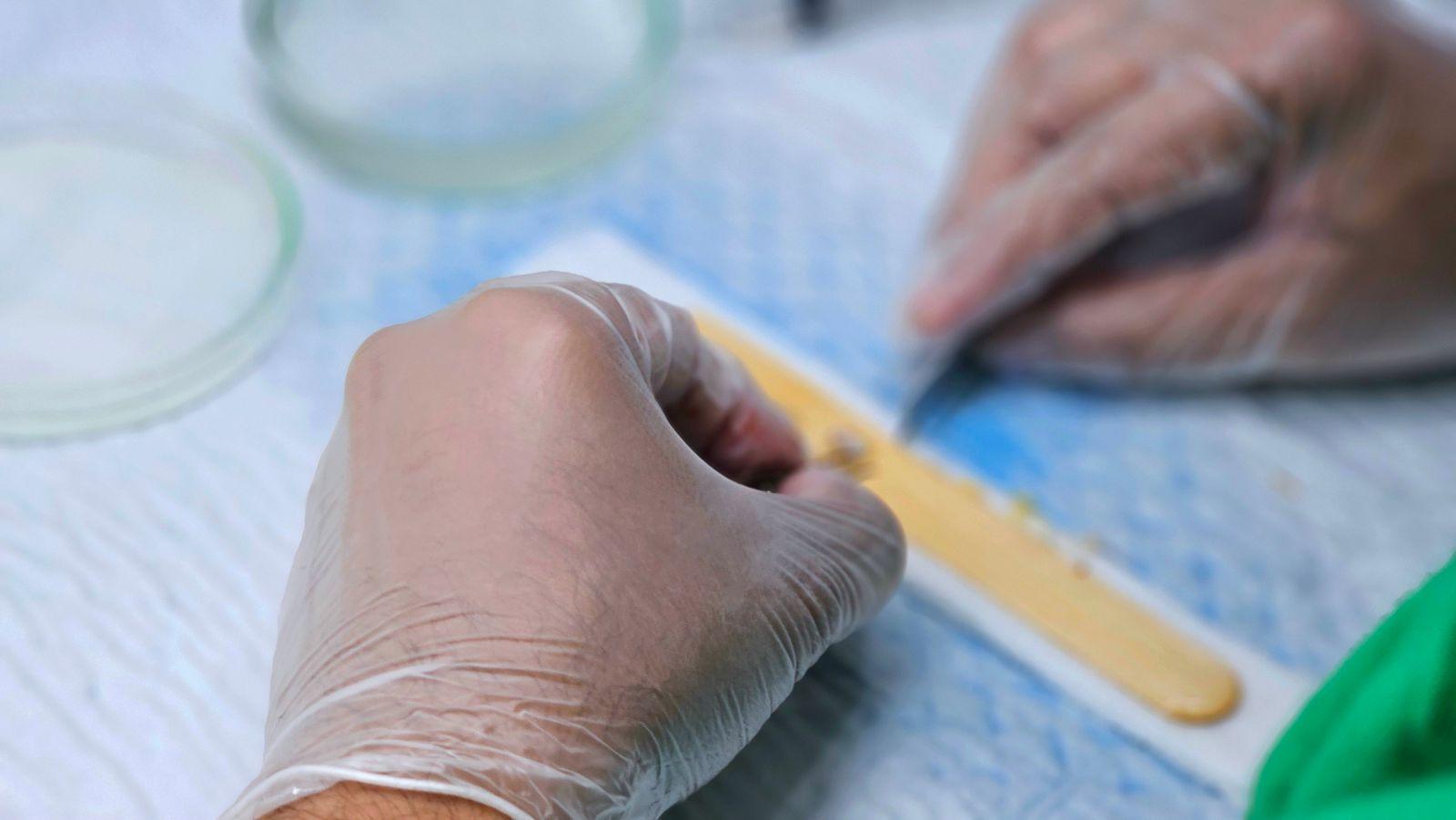
A hair transplant is only the beginning of the process. What happens in the weeks and months afterwards decides how the result looks, and patients who understand the timeline are far less likely to worry when the transplanted hairs fall out — as they are expected to. FUE Hair Transplant is the most widely used method in Dubai, UAE, because it avoids a strip scar and usually allows a quicker return to normal routines, but it still needs patience: the final result takes the best part of a year to appear.
This guide focuses on recovery. It explains how FUE works in brief, what the first days feel like, why shedding happens, when new growth begins, and what patients can do to support healing. It is written as general information, not medical advice, and the details of any individual case should be discussed with the doctor who performs the procedure.
The most important point is simple: a transplanted hair that falls out in the first month has not failed. The follicle remains in place, rests for a few months, and then produces a new hair. Clinics that explain this clearly before treatment help patients through the quiet months when nothing seems to be happening, and patients who expect it are much less likely to panic.
How FUE Hair Transplant Works
FUE stands for follicular unit extraction. A follicular unit is the natural grouping of one to four hairs that grows together in the scalp. In an FUE procedure, the doctor uses a small punch tool to extract these units one by one from the donor area, usually the back and sides of the head, where the hair is most resistant to the pattern of loss. Each unit is then placed into a tiny recipient site in the thinning or bald area, following the natural direction and angle of the existing hair.
The process always begins with a consultation and scalp assessment. The doctor examines the donor area, checks hair density and quality, looks at the pattern of loss, and agrees a realistic plan with the patient. That plan covers how many grafts may be needed, where the new hairline should sit, and what medical treatment may help the existing hair. Hairline design matters a great deal: it should suit the person's age and face shape, and it should allow for future loss, not just look full on the day of the procedure.
On the day itself, local anaesthesia is used. The extraction phase can take several hours depending on the number of grafts, and the placement phase takes further time. Patients are usually awake, can take short breaks, and go home the same day. The donor area is left with tiny dot scars that are usually difficult to notice once the hair grows back, especially if the hair is kept at a reasonable length.
It is important to understand the limits before treatment. FUE redistributes a person's own hair; it does not create new hair. Results depend on donor supply, and taking too many grafts in one session can thin the donor area visibly, so a responsible doctor will limit the number taken. Hair loss in untreated areas may continue, which is why a long-term plan, sometimes including medical treatment, should be discussed at the consultation.
What Recovery Looks Like Week by Week
The first few days are the most delicate. The scalp may feel sore and tight, and there is often mild swelling around the forehead and the treated area. Tiny scabs form around each graft, and patients are usually told not to touch, scratch or pick at them. Sleeping with the head slightly raised can help with swelling, and the clinic will explain exactly how and when to wash the hair for the first time. Most people take a few days off work, although desk work is often possible sooner.
Between the second and fourth weeks, the transplanted hairs usually shed. This is known as shock loss, and it is a normal part of the process. The hair shaft falls out while the follicle underneath stays in place and rests. It can be unsettling to see, and some patients worry that the procedure has failed, but shedding at this stage is expected and does not mean the grafts have been lost. The donor area also continues to heal during this period, and the small extraction points close up gradually.
New growth typically begins after three to four months. The first hairs are often fine and pale, and they thicken over the following months. By six to nine months, the density has usually built up noticeably, and the hairline begins to look more natural. The fuller result is generally visible after nine to twelve months, and the clinic should offer review appointments during this period to check healing, answer questions and advise on ongoing care for the existing hair.
Patients can support recovery by following the aftercare instructions closely. That usually means gentle washing as directed, avoiding direct sun on the scalp in the early weeks, avoiding heavy exercise and swimming until the clinic says it is safe, and not using styling products or harsh treatments while the grafts settle. Smoking and alcohol can slow healing, and patients should ask the clinic about both. If redness, swelling or pain becomes worse rather than better, or if there are signs of infection, the patient should contact the clinic promptly rather than waiting for the next review.
How to Choose a Clinic for an FUE Hair Transplant
Experience and Qualifications
The doctor's experience matters more than the clinic's marketing. Ask how many FUE procedures the doctor performs each year, what training they have, and whether they are licensed to practise in Dubai. A doctor who performs FUE regularly will be more familiar with hairline design and with protecting the donor area. Patients comparing providers may also wish to look at the hair transplant services offered by Enfield Royal Clinic Dubai, a clinic based in Dubai, UAE, when weighing their options.
Assessment Before Treatment
A good clinic will not agree to treat after a brief chat. Expect a proper scalp examination, a check of donor density, a discussion of what is realistic, and time to think. Be cautious of any provider that promises a particular density or pressures a quick decision, since a careful assessment is the foundation of a good result.
Recovery Support and Aftercare
Because recovery takes months, the aftercare matters as much as the procedure itself. Ask what written aftercare instructions are provided, how the clinic can be contacted in the first days, and how many review appointments are included. A clinic that stays in touch through the shedding phase and the regrowth period gives patients far more confidence.
Safety and Hygiene Standards
Ask about the treatment facility, the team, and what happens if a complication occurs. A reputable clinic will answer these questions directly and will have clear arrangements for follow-up care. The procedure should take place in a clean, properly equipped setting with trained staff.
Patient Experience and Follow-Up
FUE results take months to appear, so follow-up is part of the treatment. Check how review appointments are scheduled, whether the doctor or another clinician sees the patient at follow-up, and how concerns are handled between visits. A clinic that plans its follow-up properly is showing that it takes the long-term result seriously.
Expected Results and Limitations
A trustworthy provider will explain that the transplanted hairs shed first, that new growth takes three to four months to begin, and that the fuller result takes nine to twelve months. If a clinic promises instant or guaranteed density, that is a reason to look elsewhere. Honest expectations are a sign of a reputable provider.
Frequently Asked Questions
How long does recovery take after FUE?
The scalp usually settles within the first one to two weeks, when soreness and scabbing fade. The transplanted hairs shed in weeks two to four, new growth begins after three to four months, and the fuller result is visible after nine to twelve months. Healing is a gradual process, and review appointments should be part of the plan.
Why do the transplanted hairs fall out?
Shedding, often called shock loss, is expected. The hair shaft falls out while the follicle remains in place and rests before producing a new hair. It does not mean the grafts have failed, although patients should contact the clinic if they are worried or if the scalp looks inflamed.
When can I exercise or swim after FUE?
Light activity is usually possible within a few days, but heavy exercise, sweating and swimming should wait until the clinic says it is safe, often around two weeks. The exact timing depends on healing, so patients should follow the clinic's own instructions rather than a general timetable.
Will there be visible scarring?
FUE leaves small dot scars in the donor area rather than a single linear scar. Once the hair grows back, these are usually difficult to notice, especially if the hair is kept at a reasonable length. Patients who prefer very short hairstyles should discuss how the donor area will look with the doctor beforehand.
Can I wear a hat or use hair products after the procedure?
A loose hat is usually acceptable after the first few days, but anything tight or that rubs the grafts should be avoided while they settle. Hair products, styling and colouring should wait until the clinic advises that the scalp has healed, and washing should follow the clinic's instructions in the early weeks.
Conclusion
Recovery after FUE is a slow process, and the hardest part is often the waiting. The first weeks bring soreness and shedding, the next few months bring little visible change, and then growth begins and builds steadily towards the fuller result at around a year. Patients who understand that timeline, follow the aftercare instructions, and keep their review appointments are in the best position to get a good outcome.
Choosing a provider who explains all of this honestly before treatment is as important as the technique itself. Compare a few clinics, ask direct questions about experience, donor protection and aftercare, and take time over the decision rather than rushing it. Patients who want to understand the method in more detail can read more about follicular unit extraction before deciding.

 English
 French
 Spanish
 Portuguese
 Deutsch
 Turkish
 Dutch
 Italiano
 Russian
 Romaian
 Portuguese (Brazil)
 Greek