
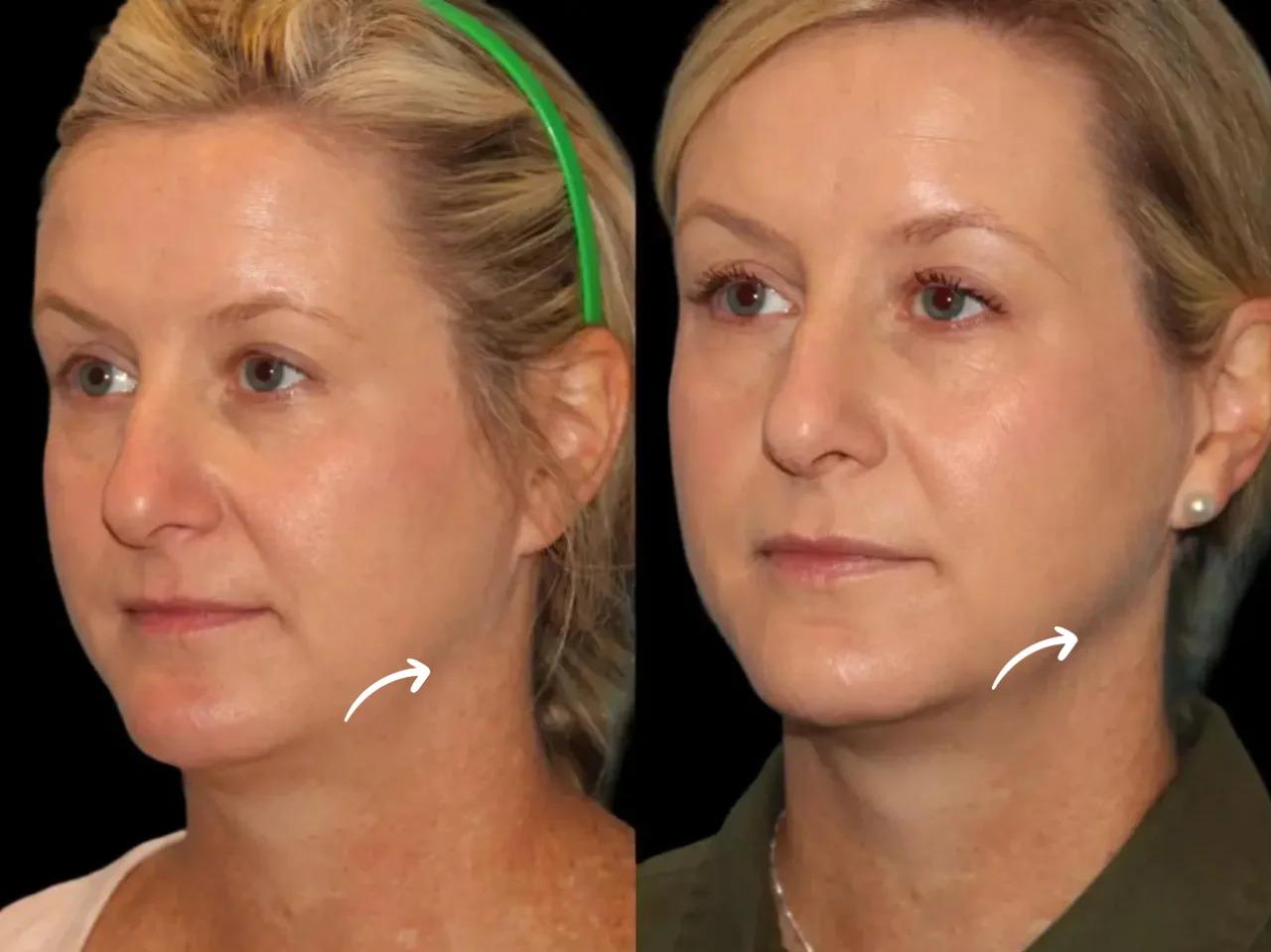
Cosmetic treatments have become increasingly popular among people seeking natural-looking improvements in facial appearance, skin quality, and body contours. Among these treatments, Sculptra has gained attention for its collagen-stimulating properties and gradual approach to aesthetic enhancement. However, achieving satisfactory results involves more than selecting an injectable product. Patients must also consider professional qualifications, medical regulations, informed consent, treatment documentation, and clinical responsibility.
The Best Plastic Surgeons in Dubai understand that legal standards are an essential part of responsible aesthetic practice. Dubai has established regulatory requirements to ensure that cosmetic procedures are performed by appropriately licensed professionals in authorized healthcare facilities. These requirements help protect patients, maintain professional accountability, and support ethical medical decisions.
When considering Sculptra in Dubai, patients should understand how these regulations influence consultations, treatment planning, product handling, injection procedures, and follow-up care. Celebrity Doctors in Dubai and qualified aesthetic professionals must prioritize patient safety rather than focusing exclusively on cosmetic outcomes.
At Dr Perfect Celebrity and Perfect Doctors Clinic, understanding the relationship between aesthetic treatments and professional responsibilities is important when discussing treatment suitability and patient expectations. This article explores the legal standards associated with Sculptra treatments and explains what patients should consider before proceeding.
Best Plastic Surgeons in Dubai: Understanding DHA Standards for Non-Surgical Cosmetic Procedures
Dubai regulates non-surgical cosmetic procedures through healthcare licensing requirements and professional practice standards. The Dubai Health Authority (DHA) establishes rules governing healthcare facilities, medical professionals, patient management, and treatment safety.
The DHA Standards for Non-Surgical Cosmetic Procedures, Version 2.1, became effective on February 18, 2025. These standards establish requirements for facilities and professionals providing non-surgical cosmetic services.
Sculptra treatments should be considered within the applicable regulatory framework for injectable cosmetic procedures. The treatment provider must work within their authorized professional scope and the facility must have permission to provide the relevant service.
The regulations address several important areas:
-
Professional registration and licensing.
-
Healthcare facility authorization.
-
Clinical training and professional competence.
-
Patient assessment and informed consent.
-
Infection prevention and treatment safety.
-
Medical records and confidentiality.
-
Emergency preparedness and follow-up responsibilities.
The Best Plastic Surgeons in Dubai recognize that following these requirements is part of responsible medical practice, not simply an administrative obligation.
Professional Licensing Requirements for Sculptra Providers
One of the most important legal considerations is the qualification of the healthcare professional administering the treatment.
A person offering aesthetic services should not automatically be considered qualified to perform injectable procedures simply because they have experience in the beauty industry. DHA requirements distinguish between professional categories, qualifications, training, and authorized clinical privileges.
DHA Licensing and Clinical Privileges
Healthcare professionals performing non-surgical cosmetic procedures must hold an active DHA professional licence and operate within their approved scope of practice and granted privileges.
The facility must also ensure that the professional has the appropriate qualifications and competencies for the procedure.
According to DHA standards, relevant professionals must maintain:
-
An active professional licence.
-
Appropriate clinical training.
-
A valid Basic Life Support certificate.
-
Medical malpractice insurance.
-
Competence in identifying and managing treatment complications.
These requirements help establish professional accountability.
Patients researching Best Plastic Surgeons in Dubai should therefore look beyond professional titles and promotional descriptions. They should confirm the provider's actual qualifications, licensing status, and experience with injectable treatments.
Why Specialist Knowledge Matters
Sculptra treatment requires an understanding of facial and body anatomy, injection techniques, product characteristics, and patient-specific considerations.
A qualified professional should understand how treatment placement, tissue characteristics, and individual anatomy influence treatment planning.
The provider must also recognize situations in which the requested treatment falls outside their competence or authorized scope of practice.
This is particularly important when patients request treatments involving several anatomical areas.
Legal Responsibilities of Best Aesthetic Clinics in Dubai
Professional licensing is only one part of the regulatory framework. The healthcare facility must also meet applicable licensing and operational requirements.
Best Aesthetic Clinics in Dubai should operate within their approved service scope and maintain appropriate systems for patient safety.
Facility Licensing and Treatment Authorization
DHA standards require healthcare facilities offering non-surgical cosmetic procedures to obtain the appropriate facility licence and authorization for their services.
The permitted service must fall within the facility's approved scope.
This means that patients should not assume every establishment advertising aesthetic treatments is legally authorized to provide every injectable procedure.
When evaluating Sculptra Clinics in Dubai, patients can ask whether the facility is appropriately licensed and whether its medical services include the proposed treatment.
Infection Control and Clinical Safety
Aesthetic injections involve medical procedures that require suitable hygiene practices and infection prevention measures.
Healthcare facilities should maintain appropriate policies covering:
-
Sterile equipment and supplies.
-
Safe injection practices.
-
Hand hygiene.
-
Clinical waste disposal.
-
Medication management.
-
Treatment-room cleanliness.
-
Emergency response procedures.
These responsibilities help reduce avoidable complications and support consistent patient care.
The Best Plastic Surgeons in Dubai understand that maintaining clinical standards is as important as selecting an appropriate treatment technique.
Informed Consent: An Essential Legal Requirement
Informed consent is one of the most important aspects of responsible Sculptra treatment.
Patients must receive understandable information about the proposed procedure before making a decision. Consent should represent a voluntary choice based on an explanation of the treatment, its potential benefits, risks, and alternatives.
Dubai Health Authority's patient consent guidelines establish requirements for obtaining and documenting consent. Its non-surgical cosmetic standards also require clear written consent before treatment, with consent reconfirmed on the day of the procedure.
What Should Sculptra Consent Include?
Before proceeding with Sculptra Fillers, patients should receive information covering:
-
The nature and purpose of the proposed treatment.
-
Expected treatment outcomes.
-
Potential risks and complications.
-
Available alternative treatments.
-
The expected treatment process.
-
Relevant financial considerations.
-
Follow-up requirements.
-
Circumstances that may affect treatment suitability.
The patient should have sufficient time to understand the information and ask questions.
A signed form should not replace an actual medical discussion. The healthcare professional must explain the procedure in language the patient can understand.
Why Patients Should Read Consent Documents Carefully
Patients sometimes focus on the expected cosmetic improvement and overlook important treatment information.
However, consent documents help establish what was discussed and which procedure the patient agreed to receive.
For example, someone considering Sculptra Injections should understand that results develop gradually as collagen production increases. The treatment does not provide the same immediate volumizing effect as some traditional fillers.
The Best Plastic Surgeons in Dubai should communicate realistic expectations before obtaining consent.
Product Authenticity and Responsible Sculptra Use
Product authenticity is another important consideration in aesthetic treatment.
Patients should understand that injectable products must be sourced, stored, prepared, and administered according to applicable regulatory requirements and manufacturer instructions.
Verifying the Product Before Treatment
Before receiving a Sculptra procedure, patients can ask the healthcare professional about:
-
Product identification.
-
Packaging integrity.
-
Expiry information.
-
Storage conditions.
-
Product preparation.
-
Manufacturer instructions.
-
Relevant treatment documentation.
These questions help patients understand what is being administered and how the product is managed.
The term Sculptra Dermal Filler is commonly used when discussing this treatment, although Sculptra works differently from conventional hyaluronic acid fillers. It is a poly-L-lactic acid-based injectable that stimulates collagen production.
A responsible provider should explain the product's characteristics rather than describing it as interchangeable with every other dermal filler.
Avoiding Unverified Products
Patients should be cautious about unusually low prices, unclear product packaging, or providers who cannot explain the product being used.
A lower Sculptra Cost does not necessarily indicate better value.
Treatment decisions should consider product authenticity, professional qualifications, clinical standards, and the quality of medical care.
Legal Considerations for Different Sculptra Treatment Areas
Sculptra may be discussed for different facial and body concerns. However, the legal and clinical requirements should be considered according to the proposed treatment area, professional privileges, and applicable product instructions.
Sculptra Face Treatments
Facial treatments require detailed anatomical knowledge because the face contains important blood vessels, nerves, muscles, and other structures.
Patients interested in Sculptra Face treatments should receive an assessment of their facial anatomy, skin quality, medical history, and aesthetic goals.
The treatment plan should identify the intended areas and explain the expected results.
Sculptra Cheeks and Facial Contouring
Patients considering Sculptra Cheeks may want to improve facial volume or address age-related changes.
The healthcare professional should explain whether the treatment is appropriate and whether another approach may be more suitable.
Treatment records should accurately document the areas being considered and the procedure performed.
Sculptra for Neck Treatments
The neck has different anatomical characteristics from the cheeks and other facial areas.
Patients interested in Sculptra for Neck treatments should receive an individual assessment rather than assuming that the same approach can be used across every body area.
The provider must work within their authorized scope and have the necessary competence for the proposed procedure.
Sculptra for Buttocks and Hip Dips
Body contouring requires particular attention to treatment selection, anatomical suitability, and professional authorization.
Patients researching Sculptra for Buttocks, Sculptra Buttock Injections, or Sculptra for Hip Dips should ask whether the proposed treatment is permitted under the provider's professional privileges and the facility's approved services.
Terms such as Buttocks Sculptra and Sculptra Filler for Buttocks are commonly used in aesthetic searches, but they do not establish that every product, technique, or treatment area is appropriate.
The provider should explain the evidence, limitations, possible complications, and expected outcomes before recommending treatment.
Medical Records and Treatment Documentation
Accurate medical documentation supports continuity of care and professional accountability.
The DHA standards require healthcare facilities to establish appropriate systems for maintaining patient health records, protecting confidentiality, and documenting treatment-related information.
For Sculptra procedures, relevant records may include:
-
Patient medical history.
-
Consultation findings.
-
Treatment suitability assessment.
-
Informed consent.
-
Product and treatment details.
-
Documented treatment areas.
-
Relevant photographs.
-
Aftercare instructions.
-
Follow-up observations.
Why Treatment Records Matter
Proper documentation helps healthcare professionals review previous treatment decisions and plan subsequent appointments.
For example, a patient receiving multiple Sculptra Injections over time may need a gradual treatment plan. Earlier records help the provider understand what was previously administered and how the patient responded.
Documentation is also important when investigating unexpected reactions or managing complications.
The Best Plastic Surgeons in Dubai should treat medical records as an essential part of patient care rather than routine paperwork.
Patient Privacy and Medical Photography
Before-and-after photographs are frequently used in aesthetic medicine to document treatment progress.
However, medical photography involves patient privacy and confidentiality.
The DHA patient consent guidelines require separate written consent when patient pictures, images, videos, or statements are used in social media advertising.
This means consent for receiving a cosmetic treatment should not automatically be treated as permission to publish patient photographs.
Patients should understand:
-
Why photographs are being taken.
-
How the images will be stored.
-
Who may access them.
-
Whether they will be used for advertising.
-
Whether separate permission is required for publication.
The patient's privacy should remain a priority throughout the treatment process.
Advertising and Ethical Marketing Standards
Aesthetic treatment advertising should provide accurate and responsible information.
Clinics and healthcare professionals should avoid misleading claims, unrealistic promises, and statements that could encourage patients to make decisions without understanding the medical considerations.
In August 2026, the DHA announced specific standards for medical advertising content on social media for licensed private-sector healthcare facilities and professionals in Dubai.
The announcement emphasizes credible medical information, ethical promotion, and advertising that supports informed patient decisions.
This is particularly relevant to promotional content involving Celebrity Doctors in Dubai and cosmetic treatments.
Avoiding Guaranteed Results
Sculptra results vary according to individual anatomy, skin condition, treatment planning, and biological response.
Therefore, marketing should not suggest that every patient will achieve identical results.
Statements promising guaranteed improvements or presenting treatment as completely risk-free can create unrealistic expectations.
The phrase Best Plastic Surgeons in Dubai may be relevant as a search keyword, but it should not be used to imply an officially awarded ranking or regulatory endorsement.
Responsible communication focuses on verifiable qualifications, treatment information, and realistic outcomes.
Understanding Sculptra Cost and Financial Transparency
Financial transparency is another important aspect of patient communication.
Patients should understand the estimated treatment expenses before agreeing to proceed.
The Sculptra Price may depend on several factors, including:
-
The treatment area.
-
The number of sessions recommended.
-
The amount of product required.
-
The complexity of the treatment plan.
-
Professional expertise.
-
Follow-up requirements.
When discussing Sculptra Cost, clinics should explain what the quoted amount includes.
Patients should ask whether consultation charges, treatment sessions, and follow-up appointments are included in the estimate.
For larger treatment areas, such as those discussed under Sculptra for Buttocks, financial planning may involve different considerations from facial treatments.
A transparent discussion helps patients compare treatment options without making decisions based exclusively on discounts.
Complication Management and Professional Accountability
No injectable cosmetic procedure is completely free from risk.
Sculptra may be associated with swelling, tenderness, bruising, injection-site reactions, lumps, nodules, or other complications.
Healthcare professionals should understand the possible complications and have appropriate arrangements for assessment and management.
DHA standards require healthcare facilities to maintain incident-reporting procedures and emergency-response arrangements.
They also emphasize the importance of professional competence and the ability to recognize when a patient requires additional medical attention.
The Importance of Follow-Up Care
Patient care should not end immediately after an injection appointment.
The treating professional should provide appropriate aftercare instructions and remain available for follow-up according to the treatment plan.
Patients should know which symptoms are expected and which signs require prompt medical assessment.
For example, severe or worsening pain, unusual skin discoloration, or visual symptoms after an injectable procedure require urgent medical evaluation.
The Best Plastic Surgeons in Dubai should prioritize appropriate medical assessment whenever a patient reports an unexpected reaction.
How Patients Can Evaluate Sculptra Clinics in Dubai
Choosing a suitable provider requires more than comparing advertisements or treatment prices.
Patients can use the following considerations when evaluating Sculptra Clinics in Dubai.
Check Professional Credentials
Confirm that the treating professional has an active DHA licence and the appropriate privileges for the proposed procedure.
Review the Facility's Authorization
Ask whether the facility is licensed and authorized to provide the relevant cosmetic service.
Request a Face-to-Face Consultation
DHA standards require a face-to-face consultation and assessment before a non-surgical cosmetic procedure. Remote consultation or home-visit assessment does not replace this requirement.
Understand the Treatment Plan
Ask about the product, proposed treatment areas, expected sessions, possible complications, and alternatives.
Review Consent and Aftercare
Read the consent document carefully and ensure that aftercare and follow-up arrangements are explained.
At Dr Perfect Celebrity and Perfect Doctors Clinic, these considerations provide a useful framework for discussing responsible aesthetic treatment and patient expectations.
Conclusion
Legal standards play an essential role in maintaining patient safety and professional accountability in Dubai's aesthetic medicine sector. Sculptra treatment involves more than administering an injectable product. It requires appropriate professional licensing, facility authorization, patient assessment, informed consent, accurate documentation, infection control, and responsible follow-up.
The Best Plastic Surgeons in Dubai should understand these responsibilities and ensure that treatment recommendations remain consistent with applicable healthcare regulations.
Patients considering Sculptra in Dubai should take time to verify professional credentials, understand the proposed procedure, review financial details, and ask questions about potential risks.
Ultimately, responsible aesthetic care depends on informed decisions, qualified professionals, transparent communication, and compliance with the relevant medical standards.
Frequently Asked Questions (FAQs)
1. What legal standards apply to Sculptra treatments in Dubai?
Sculptra treatments must follow applicable UAE healthcare legislation and Dubai Health Authority requirements. These include professional licensing, facility authorization, patient assessment, informed consent, infection control, and treatment documentation.
2. Who is legally allowed to perform Sculptra injections in Dubai?
The procedure must be performed by an appropriately DHA-licensed healthcare professional who has the required qualifications, training, and clinical privileges for the relevant treatment. Patients should verify the provider's authorization before proceeding.
3. Is written consent required before Sculptra treatment?
Yes. DHA standards for non-surgical cosmetic procedures require clear written informed consent before treatment and reconfirmation on the day of the procedure. Patients should understand the treatment, risks, alternatives, and expected outcomes.
4. Can any aesthetic clinic offer Sculptra in Dubai?
No. Healthcare facilities must hold the appropriate licence and authorization for the cosmetic services they provide. Patients should confirm that the facility is permitted to offer the proposed treatment.
5. What information should a Sculptra consent form contain?
The consent process should explain the proposed procedure, its purpose, potential risks, expected benefits, available alternatives, and relevant financial considerations. Patients should have an opportunity to ask questions before agreeing.
6. Are there legal requirements for Sculptra treatment photographs?
Yes. Patient privacy must be protected. Under DHA patient consent guidelines, separate written consent is required when patient images, videos, or statements are used in social media advertising.
7. Are Sculptra treatments for buttocks and hip dips subject to the same regulations?
They must follow applicable healthcare licensing, professional privileges, facility authorization, and patient-safety requirements. The provider should confirm that the proposed treatment area and technique fall within their authorized scope.
8. Can clinics guarantee Sculptra results in their advertisements?
Clinics should communicate realistic, evidence-based treatment expectations rather than promising guaranteed outcomes. Results vary between individuals, and medical advertising must comply with applicable DHA standards.
9. Why is medical documentation important for Sculptra treatments?
Documentation helps maintain an accurate record of patient history, consent, product information, treatment areas, and follow-up care. It also supports continuity of care and professional accountability.
10. What should patients check before choosing a Sculptra clinic in Dubai?
Patients should verify the healthcare professional's DHA licence and relevant privileges, confirm the facility's authorization, attend a face-to-face consultation, understand the consent process, and ask about product authenticity, treatment costs, possible complications, and follow-up care.

 English
 French
 Spanish
 Portuguese
 Deutsch
 Turkish
 Dutch
 Italiano
 Russian
 Romaian
 Portuguese (Brazil)
 Greek