
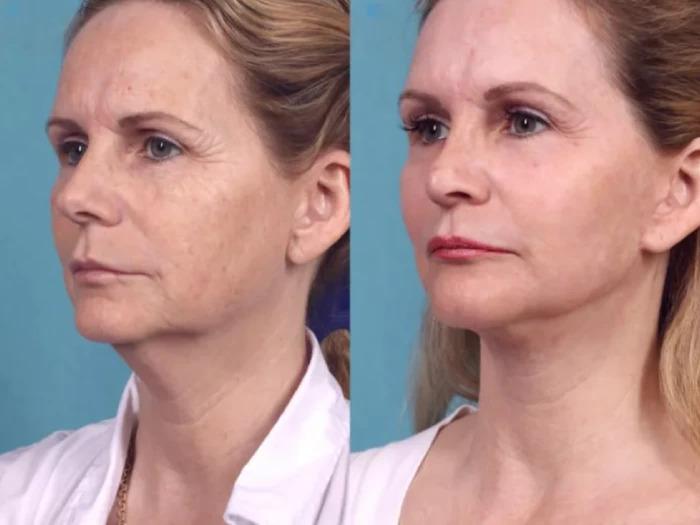
Understanding Chemical Peel Treatment in Dubai and Its Safety Basics
Chemical Peel Treatment in Dubai is a commonly searched skincare topic among people interested in improving their skin's appearance. A chemical peel uses a specially formulated solution to exfoliate the skin and remove dead surface cells.
Depending on the formulation, chemical peels can work at different depths. Some treatments focus on the outermost layer, while others penetrate further into the skin.
Although chemical peels can improve certain skin concerns, they also require careful handling. Using an unsuitable product, applying excessive amounts, or leaving a chemical solution on the skin for too long can cause irritation and unwanted reactions.
Some basic safety considerations include:
-
Understanding the skin type before treatment.
-
Selecting suitable chemical ingredients.
-
Avoiding treatment on irritated or damaged skin.
-
Following the recommended application time.
-
Maintaining proper hygiene during the procedure.
-
Following appropriate skincare instructions afterward.
A gentle and controlled approach is particularly important for people who experience sensitivity or pigmentation.
Why Chemical Peel in Dubai Requires Proper Skin Assessment Before Treatment
Chemical Peel in Dubai is often associated with improving skin brightness, texture, and uneven complexion. However, a proper skin assessment should always come before treatment.
Skin assessment helps identify possible risks and determine whether chemical exfoliation is appropriate.
For example, people with active skin infections, open wounds, severe irritation, or certain inflammatory skin conditions may need to postpone treatment.
Several factors should be considered before a chemical peel.
Skin Type: Dry, oily, combination, and sensitive skin can respond differently to exfoliating ingredients.
Skin Tone: People with darker skin tones may have a higher risk of post-inflammatory hyperpigmentation after irritation or inflammation.
Existing Skin Problems: Active acne, eczema, rosacea, and damaged skin barriers may affect treatment suitability.
Previous Treatments: Recent waxing, laser treatments, exfoliation, or other cosmetic procedures can increase skin sensitivity.
Medical and Skincare History: Certain medications and skincare ingredients may make the skin more vulnerable to irritation.
Understanding these factors helps reduce avoidable complications and supports better treatment planning.
Important Safety Factors to Consider at Chemical Peel Treatment Clinics in Dubai
People researching Chemical Peel Treatment Clinics in dubai should understand that chemical peel safety depends on several factors, not simply the type of product being used.
The concentration of the chemical solution, its pH level, application time, and penetration depth can all influence how the skin responds.
A superficial peel generally involves less recovery time than a medium or deep peel. However, even a mild treatment can cause problems if the skin is already irritated or the product is used incorrectly.
Important safety factors include:
-
Checking the ingredients before treatment.
-
Avoiding unsuitable chemical combinations.
-
Following product-specific application instructions.
-
Protecting sensitive areas around the eyes and lips.
-
Avoiding excessive exfoliation.
-
Monitoring the skin's response during treatment.
-
Allowing sufficient time for recovery.
It is also important to use products specifically formulated for professional chemical peeling when a professional procedure is intended. Strong chemical solutions should never be experimented with at home.
How Best Aesthetic Clinics in Dubai Discuss Chemical Peel Safety and Skin Protection
The keyword Best Aesthetic Clinics in dubai is often connected with discussions about skincare procedures and maintaining healthy-looking skin.
One important part of chemical peel safety is protecting the natural skin barrier.
The skin barrier helps retain moisture and protects the skin from external irritants. When this barrier becomes damaged, the skin may develop redness, dryness, burning sensations, and increased sensitivity.
Chemical exfoliation temporarily affects the outer skin layers, so maintaining proper skin protection is essential.
A safe skincare approach generally includes:
Gentle Cleansing: A mild cleanser helps remove dirt and impurities without stripping the skin of its natural moisture.
Proper Hydration: Moisturizers containing ingredients such as ceramides, glycerin, and hyaluronic acid can help support the skin barrier.
Sun Protection: Sunscreen helps protect freshly treated skin from ultraviolet damage.
Avoiding Harsh Products: Strong exfoliating acids, scrubs, and retinoids may need to be paused around treatment.
Allowing Recovery Time: The skin needs sufficient time to recover before another exfoliating treatment is considered.
Protecting the skin barrier is important for reducing irritation and maintaining a healthy complexion.
What Best Plastic Surgeons in Dubai Emphasize About Chemical Peel Risks
Best Plastic Surgeons in dubai is a keyword often used in searches about aesthetic procedures and skin improvement. When discussing chemical peels, understanding potential risks is an important part of making an informed decision.
Although chemical peels can offer cosmetic benefits, they are not completely risk-free.
Some possible side effects include:
1. Redness and Irritation
Temporary redness is common after chemical exfoliation. However, excessive redness or persistent irritation may indicate that the skin is not responding well.
2. Dryness and Peeling
The skin may become dry or start flaking as dead surface cells are removed. Picking or pulling the peeling skin can increase irritation.
3. Changes in Skin Pigmentation
Some people may experience darker or lighter patches after treatment. This risk can be higher in individuals who are prone to pigmentation or develop inflammation easily.
4. Skin Sensitivity
Freshly treated skin may become more sensitive to sunlight, heat, and certain skincare products.
5. Infection
Although uncommon, infection can occur if the skin is damaged or proper hygiene and aftercare are not maintained.
6. Scarring
Scarring is uncommon but may occur after deeper injuries, particularly when a strong peel is used improperly or complications are not managed.
Understanding these possible reactions helps people approach chemical peeling with realistic expectations.
Celebrity Doctors in Dubai and the Growing Interest in Safe Chemical Peels
The phrase Celebrity Doctors in Dubai is often associated with beauty trends, cosmetic skincare, and glowing skin.
Social media has increased interest in treatments that promise smoother and brighter-looking skin. Chemical peels are frequently discussed because they can address several visible skin concerns.
However, popularity does not automatically mean a treatment is suitable for everyone.
A chemical peel should never be selected simply because it is trending or because someone else has achieved good results.
Factors such as skin sensitivity, pigmentation, age, existing skin conditions, and lifestyle should be considered.
It is also important to avoid unrealistic expectations. Chemical peels may improve superficial discoloration and skin texture, but they cannot guarantee flawless or permanently clear skin.
The safest approach is to focus on individual skin needs rather than following beauty trends.
Different Types of Chemical Peels and Their Safety Considerations
Chemical peels are generally divided into three main categories based on how deeply they affect the skin.
Superficial Chemical Peels
Superficial peels work on the outermost skin layer. They commonly use ingredients such as glycolic acid, lactic acid, or salicylic acid.
They may help improve:
-
Mild pigmentation.
-
Dull skin.
-
Uneven texture.
-
Superficial acne marks.
These peels usually involve less downtime, although temporary dryness, redness, and sensitivity can still occur.
Medium Chemical Peels
Medium peels penetrate deeper into the skin and may be used for more noticeable sun damage, fine lines, and pigmentation concerns.
They generally require a longer recovery period than superficial peels. Redness, swelling, peeling, and pigmentation changes are possible risks.
Deep Chemical Peels
Deep peels affect deeper layers of the skin and involve a more significant recovery period.
They carry higher risks, including infection, scarring, and long-term changes in skin color. They require careful medical evaluation and appropriate supervision.
Choosing a peel should depend on the skin concern and individual risk factors rather than treatment strength alone.
How to Prepare Your Skin Before Chemical Peel Treatment in Dubai
Preparing the skin properly can help reduce unnecessary irritation and support a smoother recovery.
Before treatment, it is important to discuss current skincare products, medications, allergies, and previous reactions to cosmetic procedures.
Some useful preparation steps include:
-
Avoid excessive sun exposure before treatment.
-
Stop using irritating exfoliating products when advised.
-
Avoid waxing or aggressive facial treatments around the procedure.
-
Maintain a gentle cleansing and moisturizing routine.
-
Inform the treating professional about any active skin problems.
-
Follow all preparation instructions provided for the specific peel.
People should not discontinue prescribed medications without consulting the healthcare professional responsible for their treatment.
Good preparation helps create a better starting point for skin recovery.
Essential Aftercare Tips for Safe Chemical Peel in Dubai Results
Aftercare is one of the most important parts of a chemical peel procedure. The skin may temporarily become more delicate, so a simple and gentle routine is recommended.
Use Broad-Spectrum Sunscreen
Sun exposure can worsen pigmentation and increase sensitivity after treatment. Use a broad-spectrum sunscreen with SPF 30 or higher and reapply as directed.
Keep the Skin Moisturized
A suitable moisturizer helps reduce dryness and supports the skin barrier during recovery.
Avoid Scrubbing
Do not use facial scrubs, cleansing brushes, or rough towels on freshly treated skin.
Do Not Pick Peeling Skin
Allow the skin to shed naturally. Picking can cause inflammation, infection, and dark marks.
Avoid Excessive Heat
Saunas, steam rooms, and very hot showers may increase discomfort and redness during the initial recovery period.
Follow Product Instructions
Only restart active skincare ingredients, including retinoids and exfoliating acids, when the skin has recovered and it is appropriate to do so.
If severe burning, blistering, unusual swelling, or increasing pain develops, seek medical advice promptly.
Dr. perfect celebrity: Understanding Beauty Trends and Responsible Skincare Choices
The keyword Dr. perfect celebrity reflects online interest in aesthetic beauty, skincare discussions, and cosmetic treatments.
Today, people often discover chemical peels through social media and beauty-related content. While these platforms can introduce people to different skincare options, they do not always explain the possible risks.
Responsible skincare means understanding how a procedure works before deciding to try it.
Chemical peels should be approached with care because excessive exfoliation can weaken the skin barrier and cause unwanted pigmentation.
A healthy skincare routine should focus on gradual improvement, skin protection, and consistent hydration.
Instead of expecting instant results, people should understand that skin renewal takes time. Safe skincare is about maintaining the skin's health while addressing specific concerns.
The Role of Perfect Doctors Clinic in Chemical Peel Safety Discussions
Perfect Doctors Clinic is a keyword associated with searches about aesthetic skincare and cosmetic treatments.
When discussing chemical peel safety, the most important subject is understanding the procedure and its possible effects on the skin.
People should know that every chemical peel has specific application requirements and recovery expectations. The concentration, formulation, and treatment depth all influence the results and possible side effects.
It is equally important to understand that chemical peels are not suitable for every skin condition.
Some pigmentation concerns may require alternative treatments, while sensitive or damaged skin may need barrier repair before exfoliation is considered.
A careful approach, suitable product selection, and proper aftercare are essential parts of responsible skincare.
Who Should Avoid or Postpone a Chemical Peel?
Although chemical peels are suitable for many people, certain conditions may increase the risk of complications.
Treatment may need to be postponed or avoided in situations such as:
-
Active skin infections.
-
Open wounds or cuts.
-
Severe skin irritation.
-
Uncontrolled inflammatory skin conditions.
-
Recent excessive sun exposure or sunburn.
-
A history of abnormal scarring, depending on the peel.
-
Recent cosmetic procedures that have not fully healed.
Pregnant or breastfeeding individuals should discuss ingredient safety and treatment suitability with a qualified healthcare professional before considering a chemical peel.
People with a history of cold sores should also mention this before treatment because certain peels can trigger an outbreak.
A careful review of medical and skincare history helps identify potential concerns before the procedure.
Final Thoughts on Exploring Chemical Peel Safety Considerations
Chemical peels can help improve skin texture, dullness, superficial pigmentation, and the appearance of certain acne marks. However, safe treatment requires more than choosing an exfoliating product.
Understanding skin type, selecting appropriate ingredients, considering possible side effects, and following proper aftercare are all essential steps.
People with sensitive or pigmentation-prone skin should be particularly careful because excessive irritation can sometimes lead to additional discoloration.
Sun protection, gentle cleansing, and regular moisturizing should remain important parts of daily skincare.
Ultimately, the goal of chemical peel treatment should not be aggressive exfoliation or instant transformation. It should be gradual skin improvement while maintaining the skin barrier and reducing the risk of unwanted complications.

 English
 French
 Spanish
 Portuguese
 Deutsch
 Turkish
 Dutch
 Italiano
 Russian
 Romaian
 Portuguese (Brazil)
 Greek