
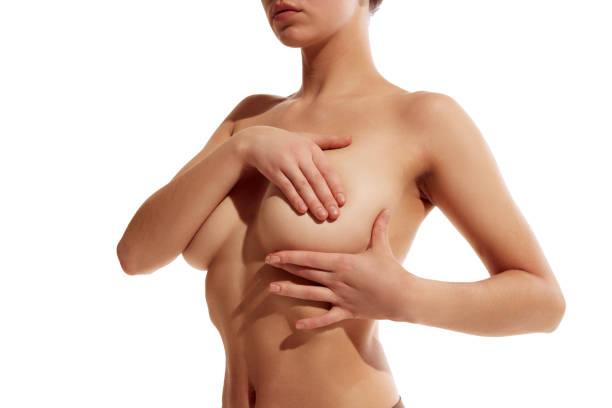
Breast augmentation is a cosmetic procedure designed to change breast size, shape, or fullness using implants or, in some cases, fat transfer. Breast Augmentation Surgery in Riyadh Although many patients consider it for personal aesthetic reasons, understanding the possible risks is an important part of making an informed decision. Like any surgical procedure, breast augmentation involves potential complications that should be discussed with a qualified surgeon before treatment.
Choosing Breast Augmentation Surgery in Riyadh requires careful consideration of personal health, surgical options, implant characteristics, and recovery expectations. Patients should understand that results and healing experiences vary. A detailed consultation can help explain the benefits, limitations, and possible complications associated with the procedure.
Understanding the Common Risks of Breast Augmentation Surgery
Breast augmentation is generally performed under anesthesia, but patients should be aware of several possible risks.
Swelling and Bruising
Swelling and bruising are common during the initial recovery period. These effects usually improve gradually, although the recovery timeline differs between individuals.
-
Swelling may temporarily affect breast appearance.
-
Bruising can occur around the surgical area.
-
Following aftercare instructions may support healing.
Pain and Discomfort
Some patients experience tenderness, tightness, or soreness after surgery. The intensity can depend on implant placement, surgical technique, and individual sensitivity. A surgeon may recommend suitable pain-management options.
Scarring
Incisions are necessary to place breast implants, which means some scarring is expected. Surgeons select incision locations based on anatomy and treatment plans. Scars generally change in appearance over time, but they may not disappear completely.
Potential Complications Patients Should Know About
Although many patients recover without serious complications, certain problems may develop during recovery or later.
Infection
Infection is a possible complication of any surgery. Symptoms may include increasing redness, warmth, unusual discharge, fever, or worsening discomfort. Patients should contact their surgical team promptly if these signs appear.
Capsular Contracture
After implant placement, the body naturally forms scar tissue around the implant. Sometimes, this tissue becomes unusually firm and tight, a condition known as capsular contracture.
-
The breast may feel harder than expected.
-
Breast shape may change.
-
Discomfort or pain can occur in some cases.
-
Additional treatment or surgery may be required.
Implant Rupture or Leakage
Breast implants are not lifetime devices. Saline implants may deflate if they rupture, while silicone implant ruptures may not cause obvious symptoms. Regular medical follow-up and recommended imaging can help assess implant condition.
Changes in Breast or Nipple Sensation
Some patients notice temporary or longer-lasting changes in nipple or breast sensation. Sensitivity may increase, decrease, or feel different after surgery. The outcome depends on individual healing and surgical factors.
Factors That May Increase Surgical Risks
Not every patient has the same risk level. Personal health and lifestyle factors can influence surgical safety and recovery.
Existing Health Conditions
Certain medical conditions may affect anesthesia, wound healing, or the risk of complications. Patients should discuss their complete medical history with the surgeon, including previous surgeries and any ongoing treatment.
Smoking and Nicotine Use
Nicotine can affect blood circulation and may interfere with normal wound healing. Patients should disclose smoking or nicotine use and follow their surgeon's instructions about stopping before and after surgery.
Implant Selection and Placement
Implant size, shape, material, and placement can influence the surgical approach and possible complications. The most appropriate option depends on body anatomy, tissue characteristics, and personal preferences rather than choosing an implant based on size alone.
How Can Patients Reduce the Risk of Complications?
While complications cannot be completely prevented, careful preparation and appropriate follow-up can support safer treatment.
-
Choose a qualified surgeon: Check the surgeon's credentials, experience, and relevant surgical qualifications.
-
Share medical information: Discuss allergies, medications, previous procedures, and existing health concerns.
-
Follow preparation instructions: Follow guidance about eating, drinking, smoking, and medication adjustments.
-
Attend follow-up appointments: These visits help the surgical team monitor healing and identify concerns.
-
Follow recovery guidance: Use recommended support garments and avoid activities until the surgeon approves them.
Warning Signs That Require Medical Attention
Patients should understand which symptoms need prompt medical assessment. Contact the surgical team if you experience:
-
Increasing or severe pain.
-
Fever or signs of infection.
-
Sudden changes in breast size or shape.
-
Persistent or worsening redness.
-
Unusual fluid or discharge from an incision.
Sudden chest pain, difficulty breathing, or fainting requires emergency medical attention.
What Should Patients Know About Long-Term Implant Risks?
Breast implants may require monitoring, additional procedures, or replacement in the future. They are not considered lifetime devices, and some complications can develop years after the original surgery.
Patients should also understand that implants may affect future breast imaging and that additional imaging techniques may sometimes be needed. Breast implants have also been associated with rare conditions, including breast implant-associated anaplastic large cell lymphoma (BIA-ALCL), which is more commonly linked to certain textured implants. Patients should ask their surgeon about implant-specific risks and recommended monitoring.
What Influences Breast Augmentation Costs in Riyadh?
The overall treatment plan can affect breast augmentation costs in Riyadh. Patients should understand what is included in a quoted treatment plan rather than comparing prices alone.
Factors may include:
-
Implant type, material, and manufacturer.
-
Surgeon qualifications and experience.
-
Hospital or surgical facility fees.
-
Anesthesia and medical assessments.
-
Follow-up appointments and aftercare.
-
Additional treatment if complications occur.
A consultation can help patients understand the expected expenses and whether future implant monitoring or procedures may involve additional costs.
Conclusion
Understanding possible complications is an essential part of preparing for breast augmentation. Although many patients undergo the procedure without major problems, infection, capsular contracture, implant rupture, scarring, and changes in sensation are among the risks that should be discussed beforehand. Choosing an appropriate treatment plan, sharing accurate medical information, and attending follow-up appointments can support informed decisions. Breast Augmentation Surgery in Riyadh should always begin with a thorough consultation that considers individual health, expectations, and long-term implant care.
Book an Appointment Consultation
For those seeking expert guidance and customized aesthetic care, you can book an appointment consultation at Enfield Royal Riyadh.
Frequently Asked Questions
1. Is breast augmentation surgery risky?
Like any surgery, it carries risks, including infection, bleeding, scarring, implant rupture, and anesthesia-related complications.
2. Can breast implants cause complications years later?
Yes. Issues such as implant rupture or capsular contracture may develop months or years after surgery.
3. Are breast augmentation scars permanent?
Scars are permanent but often become less noticeable over time. Their appearance varies with healing and incision placement.
4. How can patients reduce breast augmentation risks?
Choosing a qualified surgeon, sharing medical history, following instructions, and attending follow-up visits may reduce avoidable risks.
5. Do breast implants need to be replaced?
Not automatically after a fixed period, but implants are not lifetime devices and may require replacement or removal if complications develop.

 Arabic
 French
 Spanish
 Portuguese
 Deutsch
 Turkish
 Dutch
 Italiano
 Russian
 Romaian
 Portuguese (Brazil)
 Greek