
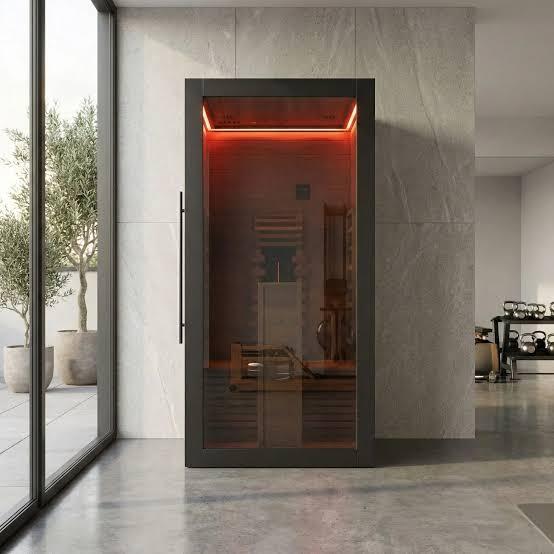
Choosing a compact sauna for home use involves more than considering its dimensions, heating technology, or appearance. Small design details can have a significant impact on everyday convenience, particularly when the available space is limited. One important feature that deserves attention is door position. In a single-person sauna, the location and opening direction of the door can influence how easily someone enters, exits, and uses the available interior space.
For homeowners considering an Infrared Sauna 1 Person UK, accessibility is an important factor when comparing different models. A well-positioned door can make a compact sauna feel comfortable and practical, while an unsuitable arrangement may create unnecessary restrictions around furniture, walls, and surrounding walkways.
Understanding how door placement affects accessibility can help buyers select a model that fits naturally into their home. Whether the sauna is being installed in a bedroom, spare room, home gym, or dedicated wellness area, thoughtful positioning can improve the overall experience.
Why Door Position Matters in a Single-Person Sauna
A single-person infrared sauna is designed to provide a personal relaxation space without requiring the footprint of a larger cabin. Because these models have limited external dimensions, every design element needs to contribute to practical usability.
The door is one of the most frequently used parts of the structure. Its position determines the direction from which a person approaches the cabin and how much clearance is needed to open it. If the entrance is poorly positioned, users may find it difficult to move comfortably around the sauna.
For example, a sauna installed close to a wall may benefit from a door that opens towards an unobstructed area. Alternatively, a model positioned in a corner may require a different entrance arrangement to prevent surrounding walls from restricting access.
When exploring a 1 Person Sauna UK, buyers should consider the relationship between the entrance and the room layout rather than evaluating the sauna's dimensions alone.
Front-Facing Doors and Their Accessibility Benefits
Front-facing doors are a common feature in compact infrared sauna designs. They allow users to enter directly from the front of the cabin, making them particularly suitable for installations where the sauna is positioned against a wall.
This arrangement can simplify access because the entrance is immediately visible and does not require users to approach from the side. It can also make the interior seating arrangement easier to understand, especially when the sauna has a straightforward rectangular design.
Another advantage is that front-facing access can work well in narrow rooms where side clearance is limited. Users can approach the cabin from the available open space without needing to leave a wide passage along either side.
However, the opening direction remains important. A front door that swings into a nearby cupboard, exercise machine, or other furniture may reduce convenience. Measuring the surrounding area before installation helps ensure that the entrance remains accessible.
Side Door Placement for Flexible Room Layouts
Some compact sauna designs use side-positioned entrances to accommodate particular installation requirements. This arrangement can be useful when the front of the cabin needs to remain close to another feature or when the room layout provides better access from one side.
For example, a homeowner may have a narrow wellness room where a side entrance allows the sauna to sit more naturally alongside existing furniture. It may also create a convenient approach when the cabin is positioned near a corner.
Nevertheless, side entrances require careful planning. The available side clearance should be sufficient for comfortable entry and exit. If the sauna is placed too close to a wall, users may struggle to open the door fully or move through the entrance without awkward positioning.
When comparing a 1 Person Infrared Sauna UK, buyers should check whether the side entrance suits their intended installation position. A design that works well in one room may be less practical in another.
How Door Opening Direction Influences Movement
Door placement and opening direction are closely connected, but they are not exactly the same consideration. The position determines where the entrance is located, while the opening direction determines how much surrounding space is required when accessing the cabin.
An outward-opening door generally keeps the interior seating area clear. This can be particularly beneficial in a compact sauna because it avoids using valuable internal space for the door's movement.
However, outward-opening doors need sufficient external clearance. If the sauna is installed in a narrow passage, the open door could interfere with normal movement around the room.
An inward-opening arrangement may reduce the external clearance requirement, depending on the design, but it can take up some of the limited interior space.
The most practical choice depends on the manufacturer's design, available room dimensions, and the user's preferred access arrangement. Buyers should always check the actual door specifications rather than assuming that every compact sauna uses the same mechanism.
Door Position and Comfortable Entry and Exit
Accessibility is not simply about whether someone can open a sauna door. It also involves how comfortably they can move through the entrance.
A well-designed entrance should provide enough room to approach the cabin, open the door, step inside, and reach the seating area without unnecessary movement. In a single-person sauna, these small details can make a noticeable difference to everyday usability.
The height and width of the doorway are also relevant. A door may be positioned conveniently but still feel restrictive if its opening dimensions are unsuitable.
Users should consider:
- The width of the doorway and available entry clearance.
- The height of the entrance.
- The direction in which the door opens.
- The position of the seating area in relation to the entrance.
- The surrounding floor space needed for comfortable movement.
These considerations are particularly useful for people who want a straightforward and convenient home wellness setup.
Choosing Door Placement for Small Rooms
Compact saunas are often selected because they can fit into spaces that cannot accommodate larger wellness installations. However, a small room requires careful planning to ensure that the sauna does not obstruct other activities.
A front-facing entrance may be suitable when there is open floor space directly in front of the cabin. If the sauna is positioned beside a wall or furniture, a side entrance may offer a more practical arrangement, provided adequate clearance is available.
The location of nearby doors should also be considered. For example, installing a sauna opposite a room entrance could create overlapping door movements and make the area feel crowded.
It is helpful to measure the room before purchasing a model. Buyers should account for the sauna's full external dimensions, the door's opening arc, and any manufacturer-recommended installation clearances.
Planning these details in advance helps create a more organised wellness space without sacrificing everyday room functionality.
The Relationship Between Door Design and Interior Layout
The entrance should work naturally with the sauna's internal arrangement. In a single-person cabin, the seating position, heating panels, and available legroom all contribute to the overall experience.
If the door opens directly towards the seating area, the entrance should still allow enough room to sit down comfortably. Similarly, the position of the door handle and frame should not interfere with normal movement.
Glass doors are another feature worth considering. Many infrared sauna designs incorporate glass panels to create a more open appearance. A glass entrance can make a compact cabin feel visually less enclosed while allowing natural light to pass through.
The frame, hinges, and handle should also be considered. These components influence how smoothly the door operates and how easily it can be opened and closed.
A thoughtfully designed Infrared Sauna 1 Person UK should balance accessibility, internal comfort, and efficient use of available space.
Practical Installation Considerations Before Buying
Before choosing a compact sauna, it is worth evaluating the installation area from several angles. Looking only at the cabin's advertised width and depth may not provide a complete picture of how it will function in the room.
Start by identifying the most convenient approach to the sauna. Consider whether users will enter from the front or side and whether the proposed door position allows comfortable movement.
Next, check the surrounding furniture and fixtures. Shelving, wardrobes, gym equipment, radiators, and other objects can affect the available clearance.
It is also important to review the manufacturer's installation instructions. Some models have specific positioning requirements, ventilation recommendations, and clearance guidelines that should be followed.
Electrical access is another practical consideration. The sauna should be positioned where its electrical requirements can be accommodated according to the manufacturer's guidance and applicable installation standards.
Finally, consider future usability. A layout that feels convenient today should continue to provide straightforward access if the room's arrangement changes.
Making the Most of a Compact Infrared Sauna
A single-person sauna can be a practical addition to a home when its design is suited to the available environment. Although the footprint is relatively small, thoughtful placement can help make the cabin feel organised and comfortable.
Door accessibility plays an important role in achieving this balance. Choosing an appropriate entrance position can reduce unnecessary movement, improve the flow of the room, and make regular use more convenient.
It is equally important to consider the complete design rather than focusing exclusively on the entrance. Seating comfort, internal dimensions, heating panel arrangement, door construction, and control accessibility should all contribute to the final decision.
For UK homeowners, comparing these features before purchasing can help avoid installation difficulties and support a more satisfying long-term experience.
Conclusion
Door position is an important design consideration when selecting a compact infrared sauna. Whether the entrance is front-facing or positioned along the side, its location and opening direction influence how easily users can approach, enter, and exit the cabin.
A suitable arrangement should provide adequate clearance, work with the surrounding furniture, and complement the interior seating layout. Measuring the available room and reviewing the manufacturer's specifications can help buyers identify a model that meets their practical requirements.
When choosing an Infrared Sauna 1 Person UK, it is worth looking beyond external dimensions and heating features. A thoughtfully positioned door can make a compact sauna more accessible, functional, and convenient for everyday home use.
Frequently Asked Questions
1. Why is door position important in a single-person infrared sauna?
Door position determines how easily users can approach and enter the sauna. It also influences the clearance required around the cabin and how comfortably the entrance works with the surrounding room layout.
2. Are front-facing doors suitable for compact infrared saunas?
Yes, front-facing doors can be practical for compact models, particularly when the sauna is positioned against a wall with open space in front. They provide straightforward access without requiring additional side clearance.
3. Can a side-opening door save space in a small room?
A side entrance can provide greater flexibility when arranging furniture and positioning the sauna. However, it still requires sufficient clearance for opening and comfortable entry.
4. Is an outward-opening sauna door better than an inward-opening door?
An outward-opening door keeps the interior space clear, which can be useful in a compact cabin. However, it requires enough external clearance. The most suitable option depends on the sauna design and available room space.
5. What should I measure before purchasing a 1-person infrared sauna?
Measure the available floor area, doorway width, ceiling height, surrounding furniture clearance, and the space needed for the sauna door to open. Also check the manufacturer's installation requirements.
6. Does door placement affect the seating arrangement?
Yes. The entrance should allow users to reach the seating area comfortably without awkward movement. Its position should also complement the internal layout and available legroom.
7. Can a compact infrared sauna be installed in a corner?
Many compact models can be suitable for corner installations, depending on their design and manufacturer requirements. Buyers should check door clearance, ventilation recommendations, and access to electrical connections before deciding on the location.
8. What other features should I consider when buying a 1-person infrared sauna in the UK?
Consider internal dimensions, seating comfort, heating panel placement, control accessibility, door construction, materials, electrical requirements, and installation guidance. These features collectively influence how practical the sauna will be for regular home use.
9. Does a glass door improve accessibility?
A glass door can improve visibility and make a compact cabin feel more open. However, accessibility depends more directly on the doorway dimensions, handle design, opening direction, and available clearance.
10. How can I choose the best door position for my home?
Start by measuring the installation area and identifying the most convenient direction of entry. Compare front-facing and side-positioned designs, consider nearby furniture, and review the manufacturer's specifications before making a purchase.

 English
 Arabic
 French
 Spanish
 Portuguese
 Turkish
 Dutch
 Italiano
 Russian
 Romaian
 Portuguese (Brazil)
 Greek