
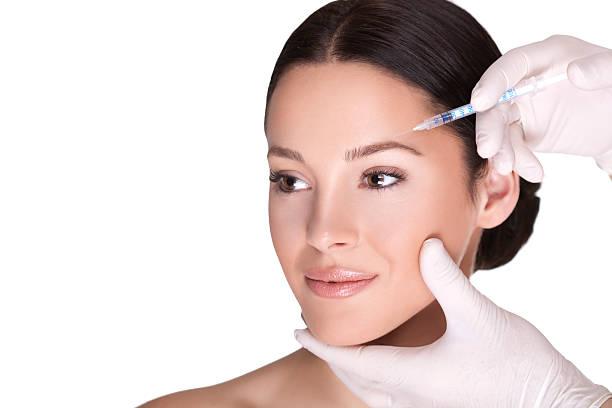
Botox is a popular non-surgical cosmetic treatment used to reduce the appearance of wrinkles, soften expression lines, and create a smoother facial appearance. It works by temporarily relaxing selected muscles responsible for repeated facial movements. Although the treatment is generally well tolerated when administered by a qualified healthcare professional, it can cause temporary side effects, just like other medical procedures. Understanding these possible reactions helps patients make informed decisions before choosing Botox Injections in Riyadh.
Most side effects associated with Botox are mild and improve without requiring extensive treatment. Patients may experience temporary redness, swelling, bruising, tenderness, or a mild headache after their appointment. However, less common complications can also occur, particularly if the product is injected incorrectly or spreads beyond the intended treatment area. Before receiving Botox Injections in Riyadh, patients should understand the potential risks, discuss their medical history, and follow professional aftercare instructions.
What Are the Common Side Effects of Botox?
Most common side effects are temporary and usually appear around the injection sites or treated muscles. Their intensity can vary depending on the treatment area, dosage, injection technique, and individual response.
Redness and Swelling
Mild redness or swelling around the injection points is one of the most common temporary reactions. It may appear immediately after treatment and generally settles within a few hours or days. Avoiding unnecessary pressure and following aftercare recommendations can help prevent additional irritation.
Bruising at the Injection Sites
Small bruises can develop when a tiny blood vessel is affected during an injection. The marks may appear around the treated area and usually fade naturally over several days. Patients who bruise easily or take medicines that affect blood clotting should discuss this with their healthcare professional before treatment. Do not stop prescribed medication without medical advice.
Mild Headache
Some patients experience a mild headache following Botox injections. This may occur shortly after treatment and generally improves with time. If a headache becomes severe, persists, or is accompanied by unusual symptoms, patients should seek medical advice.
Tenderness or Discomfort
The injection areas may feel slightly sensitive or uncomfortable after treatment. This reaction is generally short-lived and often improves within a few days. Avoiding unnecessary rubbing or pressure can help keep the treated skin comfortable.
Possible Side Effects Based on Treatment Area
Botox can be used in different facial areas, and the possible side effects may vary depending on the muscles being treated.
Forehead and Eyebrow Area
Botox injections in the forehead may occasionally cause temporary eyebrow heaviness, uneven eyebrow position, or eyelid drooping. These effects can occur if nearby muscles are affected. Careful assessment of forehead movement and eyebrow position is important before treatment.
Around the Eyes
Treatment for crow's feet may sometimes cause temporary dryness, excessive tearing, or changes in eyelid movement. In some cases, patients may notice difficulty closing the eyelids fully. Any persistent eye discomfort or changes in vision should be assessed by a healthcare professional.
Around the Mouth
Botox used for a lip flip or other lower-face treatments can temporarily affect movements involved in speaking, smiling, drinking, or using a straw. This is why conservative dosing and accurate injection placement are especially important around the mouth.
Jawline and Neck
Botox injections into the masseter muscles may cause temporary chewing weakness or discomfort. Neck treatments can sometimes affect nearby muscles involved in swallowing or head movement. These areas require careful evaluation and appropriate treatment techniques.
Less Common but More Serious Side Effects
Although uncommon, some complications require prompt medical attention. Patients should understand the warning signs and seek help rather than assuming that every reaction is part of normal recovery.
Eyelid or Eyebrow Drooping
Temporary drooping of the eyelid or eyebrow may occur when nearby muscles are affected by the treatment. It can interfere with the appearance of the eyes and may take several weeks to improve as the effects gradually wear off.
Muscle Weakness Beyond the Treated Area
In rare cases, the effects of botulinum toxin may extend beyond the intended injection site. This can cause unusual muscle weakness or other symptoms that require medical assessment.
Allergic Reactions
Although uncommon, an allergic reaction may occur after treatment. Symptoms can include itching, rash, swelling, or other unusual reactions. Severe allergic symptoms, such as swelling of the throat or difficulty breathing, require emergency medical attention.
Difficulty Swallowing, Speaking, or Breathing
Rarely, serious symptoms such as difficulty swallowing, speaking, or breathing can occur after botulinum toxin treatment. These symptoms require immediate medical attention. Patients should not wait for them to improve on their own.
Who May Have a Higher Risk of Side Effects?
Botox may not be suitable for everyone. People with certain neuromuscular conditions, a history of allergic reactions to botulinum toxin products, or an infection at the planned injection site may need to avoid treatment or receive specialist assessment. Patients should also discuss pregnancy, breastfeeding, medications, supplements, and previous cosmetic treatments with their healthcare professional before proceeding.
How Can You Reduce the Risk of Botox Side Effects?
Choosing a qualified healthcare professional and receiving treatment with an authorized product are important steps toward reducing avoidable risks. A proper consultation should include a review of medical history, facial anatomy, treatment goals, and possible complications. Patients should follow the recommended aftercare instructions, avoid rubbing the injection areas immediately after treatment, and attend follow-up appointments when advised. Botox should never be administered by an unqualified person.
When Should You Seek Medical Attention?
Mild redness, swelling, bruising, or tenderness can be expected after injections and usually improve naturally. However, contact your healthcare provider if symptoms become severe, worsen, or do not improve as expected. Seek emergency medical attention if you experience difficulty breathing, swallowing, or speaking, widespread muscle weakness, or signs of a severe allergic reaction.
Appointment at Royal Clinic Saudia
Understanding the possible side effects of Botox is an important part of making a confident treatment decision. If you are considering this procedure, contact Royal Clinic Saudia to discuss your concerns, review your suitability, and learn about appropriate treatment and aftercare with a qualified professional.
FAQs:
Are Botox injections generally safe?
Botox is generally well tolerated when an authorized product is administered by a qualified healthcare professional. However, temporary side effects and uncommon complications are possible, so patients should discuss the benefits and risks before treatment.
How long do Botox side effects usually last?
Common effects such as redness, mild swelling, and tenderness often improve within a few hours or days. Bruising may take longer to disappear, while certain complications, such as eyelid drooping, can last several weeks.
Can Botox cause permanent damage to the face?
Most cosmetic Botox side effects are temporary. However, serious complications are possible, which is why proper assessment, appropriate dosing, and professional injection technique are important.
What should I do if I experience unusual symptoms after Botox?
Contact your healthcare provider if you develop unexpected or worsening symptoms. Seek emergency medical attention if you experience difficulty breathing, swallowing, or speaking, or widespread muscle weakness.

 English
 French
 Spanish
 Portuguese
 Deutsch
 Turkish
 Dutch
 Italiano
 Russian
 Romaian
 Portuguese (Brazil)
 Greek