
Best Clinics for Otoplasty in Dubai: A Guide to Ear Reshaping for Adults and Children
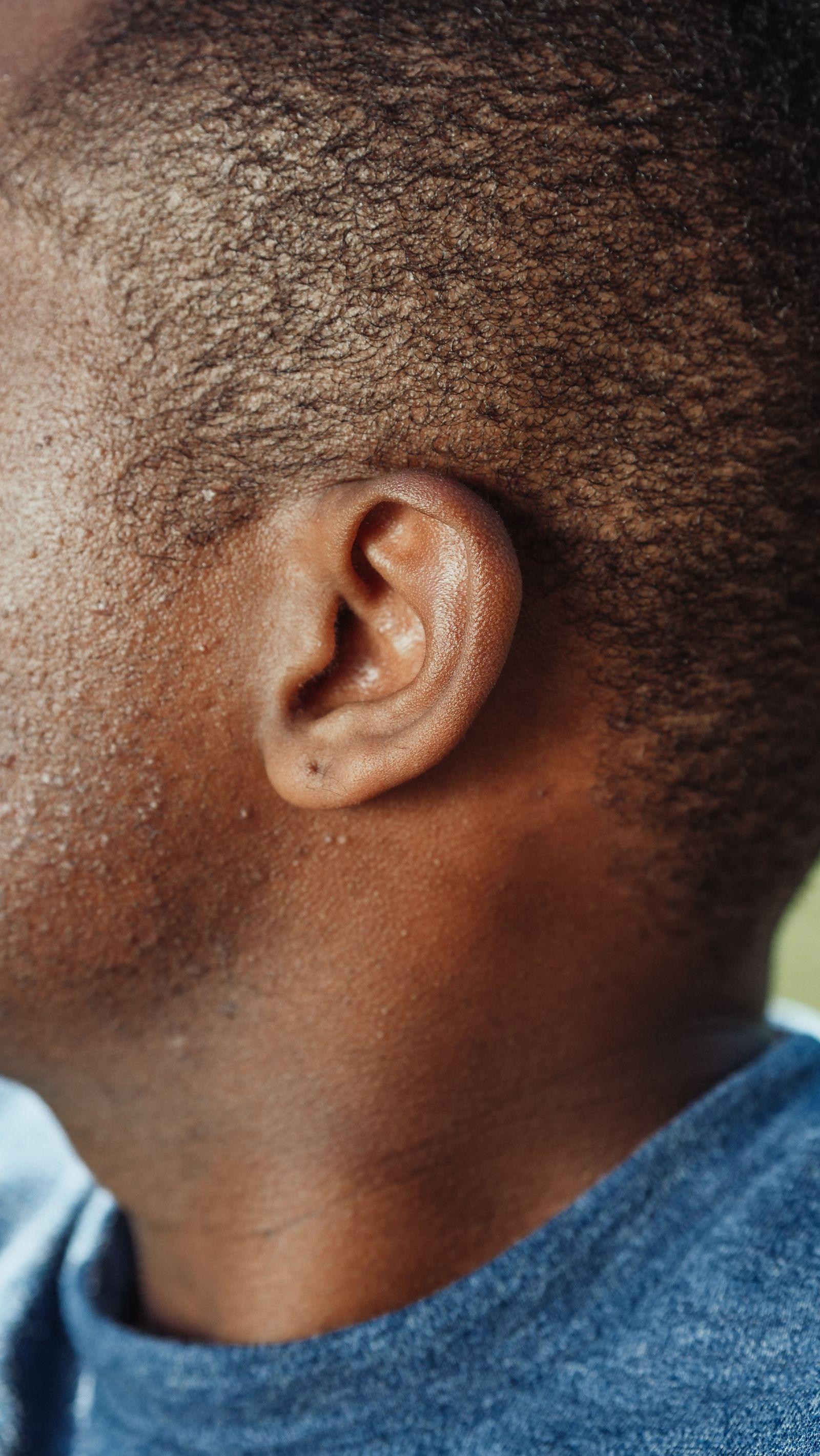
Ears that stick out or sit at an uneven angle are easy to hide in childhood and harder to ignore in adulthood. Many people live with prominent ears for years, styling their hair to cover them and avoiding photographs taken from the side, before deciding to do something about it. For adults, and for parents considering the procedure for a child, Otoplasty in Dubai is a well-established surgical option that reshapes the ear cartilage so the ears sit closer to the head.
Otoplasty is one of the more straightforward cosmetic procedures, but it is also one where the surgeon's judgement matters a great deal. The ears are a paired feature, so symmetry is part of the result, and the aim is usually a natural-looking ear rather than a perfectly flat one. A small amount of outward angle is normal, and a good surgeon will aim to reduce prominence without making the ears look pinned unnaturally tight to the head.
This guide explains how otoplasty works, who it suits, what the recovery involves, and which clinics in Dubai, UAE patients commonly research. It also covers how to choose a surgeon and what to ask at consultation.
How Otoplasty Works
Otoplasty reshapes the cartilage of the ear. In most cases of prominent ears, the problem is that the fold in the upper ear, known as the antihelical fold, did not develop fully, or the bowl of the ear is deeper than usual, pushing the ear outward. The surgeon corrects this by making an incision behind the ear, where the scar is hidden, and then reshaping the cartilage with sutures, sometimes removing a small amount of cartilage or skin.
The procedure is usually carried out under local anaesthetic with sedation for adults, or under general anaesthetic for children and for adults who prefer it. It typically takes one to two hours, and most patients go home the same day. A dressing or headband is applied to protect the ears during the first days of healing, and patients are usually advised to wear a headband at night for several weeks afterwards.
The result is visible once the swelling settles, although the ears continue to refine over a few months. The change is permanent, since the cartilage is reshaped rather than simply held in place. Otoplasty does not affect hearing, and it does not change the size of the ear dramatically; it changes the position and the shape.
Otoplasty is suitable for adults of any age whose ears have finished growing, and for children usually from around the age of five or six, when the ears are close to their adult size. For children, the decision is usually made with the parents and the surgeon together, and the child's own wishes matter.
Clinics for Otoplasty in Dubai
Dubai, UAE has a range of clinics and hospitals offering otoplasty, from specialist cosmetic surgery centres to large multi-speciality hospitals. The providers below are among those patients commonly encounter when researching the procedure. Each one should be checked on the same points: the surgeon's experience with ear surgery, the consultation process, and the aftercare.
Dynamic Life Clinic
Dynamic Life Clinic is a cosmetic and aesthetic clinic in Dubai, UAE that offers surgical ear reshaping alongside a range of other cosmetic procedures. Patients considering the clinic may wish to enquire about the surgeon's experience with otoplasty and how many ear procedures they perform.
A consultation is the chance to discuss the shape and position of the ears in detail and to understand what the procedure can realistically achieve. Patients should ask about the surgical technique used, the anaesthesia options, and the recovery period.
Enfield Royal Clinic Dubai
Enfield Royal Clinic Dubai is a cosmetic surgery and aesthetic clinic located at Villa 1089, Al Wasl Road, Al Manara, Dubai, UAE. The clinic was established in 2007 and states that its team includes DHA-licensed professionals. According to the clinic, it has carried out more than 3,500 plastic surgeries and provides over 20,000 aesthetic treatments each year.
A consultation at the clinic for otoplasty usually begins with an examination of the ears, including the shape of the cartilage, the depth of the ear bowl and the symmetry between the two sides. The surgeon can then explain which technique is likely to suit the individual case, what degree of correction is realistic, and what the scars will look like.
For adults, useful questions include how long the procedure takes, what anaesthesia is recommended, and how long the headband needs to be worn. For parents considering the procedure for a child, it is worth asking how the clinic handles paediatric cases, how the child is prepared for surgery, and what the follow-up arrangements are. The clinic states that treatment planning is personalised according to individual patient needs and that procedure-specific aftercare is provided.
Patients should also ask how the clinic manages complications and what support is available if healing does not go as expected.
Emirates Hospital
Emirates Hospital is a multi-speciality hospital in Dubai, UAE with departments covering a range of medical and surgical services, including cosmetic and plastic surgery. A hospital setting can appeal to patients who prefer a larger institution with established surgical facilities and anaesthesia support, particularly for children's procedures.
Patients researching the hospital for otoplasty may wish to enquire about the plastic surgery team and the consultation process. It is worth asking whether the surgeon performs ear surgery regularly and how the hospital manages post-operative care.
Cocoona Clinic
Cocoona Clinic is a cosmetic surgery and dermatology clinic in Dubai, UAE offering surgical procedures for the face and ears, including otoplasty. Patients may wish to enquire about the clinic's experience with ear reshaping and the techniques used.
During a consultation, it is useful to ask how the surgeon plans the correction, what the expected recovery time is, and what the scars will look like. Patients should also confirm who will carry out the procedure and what their experience is.
Tajmeels Clinic
Tajmeels Clinic is a cosmetic clinic in Dubai, UAE that provides a range of aesthetic and surgical treatments, including ear reshaping procedures. Patients can enquire about the surgeon's background and the otoplasty techniques offered.
A good consultation should cover the expected result, the recovery period, and the possible risks in straightforward language. Patients should feel free to ask how many otoplasty procedures the surgeon has performed and how follow-up appointments are handled.
Dubai Cosmetic Surgery Clinic
Dubai Cosmetic Surgery Clinic is a specialist cosmetic surgery clinic in Dubai, UAE offering procedures for the face, body and ears, including otoplasty. Patients may wish to ask about the surgeon's experience with ear surgery and the techniques available.
It is worth discussing the anaesthesia options, the length of the procedure, and the recovery timeline. Patients should also ask about aftercare arrangements and how the clinic manages swelling and bruising during healing.
Al Zahra Hospital Dubai
Al Zahra Hospital Dubai is a large private hospital in Dubai, UAE with a plastic and cosmetic surgery department alongside its other medical services. For patients who prefer a hospital environment, the setting offers established surgical facilities and anaesthesia teams.
Those considering the hospital may wish to enquire about the plastic surgery consultants and the consultation process. It is sensible to ask whether otoplasty is offered for both adults and children and what the follow-up plan involves.
King's College Hospital London Dubai
King's College Hospital London Dubai is a hospital in Dubai, UAE that provides a range of specialist medical and surgical services, including plastic and cosmetic surgery. Patients who value a hospital setting with a strong emphasis on clinical governance may wish to include it in their research.
Enquiries worth making include the experience of the plastic surgery team with otoplasty and the aftercare arrangements. Patients should ask how the hospital manages the recovery period and what support is available after discharge.
How to Choose the Right Clinic for Otoplasty in Dubai
Experience and Qualifications
Ear surgery rewards a surgeon who performs it regularly. Ask how many otoplasty procedures the surgeon carries out, what techniques they use, and what their training is. Surgeons in Dubai, UAE should be licensed by the Dubai Health Authority, and patients should not hesitate to ask for confirmation of this.
Technology and Techniques
There is more than one way to reshape an ear, and the right technique depends on the cause of the prominence. Ask the surgeon to explain which technique they would use for the individual case and why, and how they handle asymmetry between the two ears. A surgeon who can explain the plan clearly is more likely to deliver a natural result.
Safety and Hygiene Standards
Otoplasty is usually a day-case procedure, but it is still surgery, and it should take place in a properly equipped facility with anaesthesia support, sterile technique and a clear plan for managing complications. For children, the facility should have experience with paediatric anaesthesia and paediatric aftercare.
Consultation and Assessment
A good consultation is unhurried and honest. The surgeon should examine the ears, discuss the patient's goals, explain what is achievable, and be clear about the limitations. Be cautious of any clinic that guarantees perfect symmetry or pressures the patient to book immediately.
Patient Experience and Follow-Up
Ask what follow-up care is included, how many review appointments are scheduled, and who to contact if there are concerns after the procedure. Good aftercare is part of the treatment, not an optional extra, and clinics that plan follow-up properly tend to manage recovery better.
Expected Results and Limitations
Before committing, make sure the expected result is described realistically. Swelling takes time to settle, the ears will not be perfectly identical, and the result is a natural-looking reduction in prominence rather than ears pressed flat to the head. A surgeon who explains these limitations clearly is giving the patient the information needed to make a genuinely informed decision.
Frequently Asked Questions
What age is best for otoplasty?
For children, otoplasty is usually considered from around the age of five or six, when the ears are close to their adult size and the cartilage is still flexible. For adults, there is no upper age limit as long as the patient is in good general health. The decision for a child should involve the child as well as the parents.
Does otoplasty affect hearing?
No, otoplasty does not affect hearing. The procedure reshapes the outer ear cartilage and does not involve the ear canal or the inner ear. Any temporary muffling after surgery is usually due to the dressing or swelling, and it resolves as healing progresses.
How long is the recovery after otoplasty?
Most adults return to desk-based work within a week, and children usually return to school after about a week. A headband is normally worn for the first few days and then at night for several weeks to protect the ears while they heal. Strenuous activity and contact sports are usually avoided for a few weeks.
Will there be visible scars?
The incision is made behind the ear, in the natural crease, so the scar is well hidden. Scars fade over time, although their final appearance varies between individuals. The surgeon should explain the scar placement and the expected healing during the consultation.
Can otoplasty correct ears that are different sizes?
Otoplasty can improve asymmetry, but it rarely makes the ears perfectly identical, because no two ears are exactly the same to begin with. The aim is to bring them closer in position and shape so the difference is no longer noticeable. A surgeon should be honest about how much symmetry can realistically be achieved.
Conclusion
Otoplasty is a well-established procedure that can make a real difference to how a person feels about their appearance, whether they are an adult who has lived with prominent ears for years or a parent considering it for a child. The best outcomes come from a surgeon with real experience in ear surgery and a clinic that takes the consultation and aftercare seriously.
For anyone considering the procedure, a consultation is the natural next step. A good surgeon will examine the ears honestly, explain whether ear reshaping surgery is likely to help, and set out the risks and recovery in full, so the final decision is an informed one rather than a hopeful guess.

 English
 Arabic
 French
 Spanish
 Portuguese
 Turkish
 Dutch
 Italiano
 Russian
 Romaian
 Portuguese (Brazil)
 Greek