
Security has become an important priority for homeowners, business owners, and property managers who want to protect people, valuable assets, and daily operations. Traditional security methods may not provide the level of monitoring and access management required by modern properties. With advanced technology, property owners can now monitor their premises, manage entry points, and receive security alerts through integrated systems.
Investing in Smart security solutions in Sharjah helps create a more controlled and reliable environment by combining modern devices with practical security planning.
Understanding Modern Smart Security Systems
Smart security systems use connected devices and digital technology to improve property protection. Instead of depending on separate security equipment, different components can work together through a coordinated setup. These systems may include surveillance cameras, access control devices, alarm sensors, video intercoms, and remote monitoring features.
The main purpose is to provide better visibility and control over a property. For example, a homeowner can check camera footage remotely, while a business manager can control access to selected areas. Depending on the equipment and system configuration, alerts can also help users respond quickly when unusual activity is detected.
A suitable setup depends on the property's layout, security requirements, number of entry points, and daily activities. Residential buildings, offices, retail shops, warehouses, and industrial facilities may all require different combinations of security equipment.
CCTV Surveillance for Continuous Monitoring
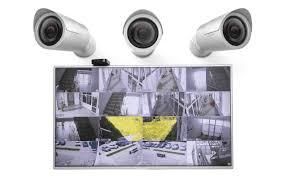
CCTV cameras are an essential part of many modern security systems. They help property owners monitor important areas and review recorded footage when an incident occurs. Cameras can be installed at entrances, parking spaces, reception areas, corridors, storage rooms, and outdoor boundaries.
Modern IP cameras offer features such as high-resolution recording, night vision, motion detection, and remote viewing. Some models also support intelligent video analytics that can identify selected types of activity, depending on the available technology.
Camera placement is just as important as camera quality. A well-planned system should cover important areas while avoiding unnecessary blind spots. Outdoor cameras should also be suitable for local weather conditions, dust exposure, and installation environments.
Smart Access Control for Better Entry Management
Managing who can enter a property is another important part of security. Smart access control systems allow authorized individuals to enter specific areas without relying entirely on traditional keys. These systems are particularly useful for offices, commercial buildings, residential complexes, and facilities with restricted spaces.
Access control technology can include RFID cards, PIN codes, fingerprint readers, facial recognition devices, and mobile credentials. Administrators can assign access permissions according to employees' roles, working hours, and security responsibilities.
A properly configured system can also maintain entry records, helping management review access activity when required. For businesses, this approach can improve security while making daily entry management more organized.
Video Intercom and Smart Door Entry Systems
Video intercom systems allow residents and employees to communicate with visitors before granting access. A visitor can use an outdoor door station to contact someone inside the property, while the user can view the visitor and decide whether to unlock the door.
These systems are useful for villas, apartment buildings, offices, and commercial properties. Depending on the model, communication may be available through indoor monitors or compatible mobile applications.
Integrating video intercoms with electronic locks and access control equipment can make entry management more convenient. It also gives property occupants an additional way to verify visitors before opening doors or gates.
Smart Alarm Systems and Intrusion Detection
Alarm systems provide another layer of protection by detecting unusual activity around a property. Door contacts, window sensors, motion detectors, and other compatible devices can identify specific security events and trigger alerts.
When connected to a suitable control panel, these devices can notify property owners or designated personnel when an event occurs. Some systems can also work with CCTV cameras, allowing users to review relevant footage and better understand the situation.
For effective performance, sensors should be installed according to the property's layout. Poor positioning, incorrect settings, or unsuitable equipment can cause unnecessary alerts or leave certain areas unprotected.
Benefits of Integrated Security Technology
Using connected security equipment can make property protection more organized and manageable. Rather than operating every device separately, an integrated setup can bring important functions together through compatible control platforms.
Key benefits include:
-
Remote monitoring and control: Users can check supported cameras, receive alerts, and manage selected security functions through compatible devices.
-
Improved access management: Electronic credentials and permission settings help control entry into restricted areas.
-
Better incident review: Recorded footage and system activity logs can help users understand what happened during a security event.
-
Flexible system expansion: Compatible equipment can often be added as property requirements change.
These benefits depend on correct installation, reliable connectivity, suitable equipment, and regular maintenance.
Choosing the Right Security Setup for Your Property
Every property has different security requirements. A small office may need CCTV cameras and controlled entry, while a large warehouse may require perimeter monitoring, intrusion detection, and multiple access points. Selecting equipment without evaluating the site can lead to unnecessary expenses or incomplete coverage.
Before choosing a system, consider the property's size, number of entrances, lighting conditions, network availability, and areas requiring restricted access. It is also important to check whether the selected devices can communicate with one another.
Professional planning can help identify suitable camera positions, sensor locations, recording requirements, and access control arrangements. Users should also consider future maintenance, software updates, data protection, and backup arrangements to keep the system dependable.
Why Professional Installation and Maintenance Matter
Even advanced security equipment may not perform properly if it is installed incorrectly. Cameras require suitable positioning, sensors need accurate configuration, and access control devices must be connected and tested carefully. Network equipment and recording systems should also be configured to support stable operation.
Regular maintenance helps identify problems before they affect the entire system. This may include checking camera images, inspecting cables and connections, testing alarm sensors, reviewing recording storage, and confirming that remote access works correctly.
Property owners should also use strong passwords, restrict system access to authorized users, and update compatible software when necessary. These practices can reduce avoidable security and operational risks.
Why Choose Jesr Al Fasht Security Devices Fix?
Selecting a suitable security provider is an important step when planning a modern protection system. Jesr Al Fasht Security Devices Fix focuses on the importance of practical security solutions that match different property requirements. A well-planned approach considers the site's layout, required coverage, access points, and the compatibility of different devices.
Whether a property requires surveillance cameras, access control, video intercoms, or integrated security technology, choosing appropriate equipment and ensuring careful installation can make a meaningful difference. Proper system configuration and ongoing maintenance also help support reliable performance over time.
Conclusion
Modern security technology gives property owners better ways to monitor their surroundings, manage access, and respond to potential security concerns. From CCTV surveillance and smart alarms to video intercoms and electronic entry systems, each component can contribute to a more organized security environment. Choosing the right equipment requires an understanding of the property's specific needs, available technology, and long-term maintenance requirements. With careful planning and professional support, Smart security solutions in Sharjah can help residential and commercial properties improve monitoring, convenience, and overall security management.
Frequently Asked Questions
1. What are smart security solutions?
Smart security solutions use connected devices such as CCTV cameras, alarm sensors, access control systems, and video intercoms to improve property monitoring and entry management.
2. Can I monitor my security cameras remotely?
Yes. Many modern IP camera systems support remote viewing through compatible mobile applications or web platforms, provided the system has suitable network connectivity and configuration.
3. Are smart security systems suitable for small businesses?
Yes. Small businesses can use CCTV cameras, electronic access control, alarm systems, and video intercoms according to their premises, operational needs, and budget.
4. How often should security equipment be maintained?
Maintenance frequency depends on the equipment and operating environment. Regular inspections and functional testing are recommended to identify recording, connectivity, sensor, or hardware problems.

 English
 Arabic
 French
 Spanish
 Portuguese
 Deutsch
 Dutch
 Italiano
 Russian
 Romaian
 Portuguese (Brazil)
 Greek