
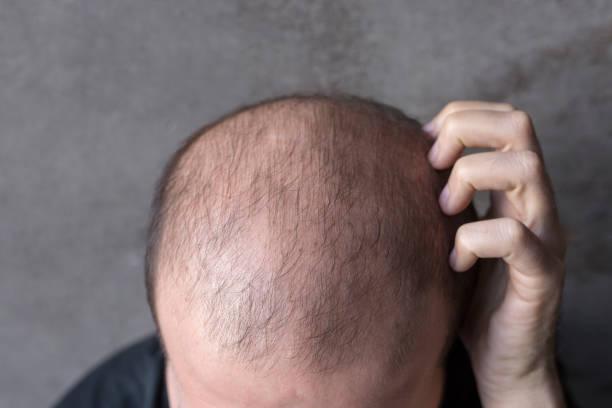
Hair thinning, excessive shedding, and reduced hair density can gradually affect your appearance and confidence. Many individuals explore nonsurgical hair restoration options to support healthier follicles and improve the overall appearance of their hair. Platelet-rich plasma therapy has gained popularity because it uses the patient's own blood components to encourage natural hair restoration. PRP Hair Treatment in Riyadh is an advanced approach that involves injecting concentrated platelets into targeted scalp areas to support existing hair follicles and promote healthier-looking hair. However, achieving noticeable improvements often requires more than one session, making the treatment schedule an important part of the process.
Understanding how frequently PRP sessions should be scheduled can help you prepare for your hair restoration journey. PRP Hair Treatment in Riyadh generally involves an initial series of treatments spaced several weeks apart, followed by maintenance sessions when recommended by a qualified practitioner. The exact frequency depends on the severity of hair thinning, scalp condition, underlying cause of hair loss, and individual response. Following a personalized schedule allows practitioners to monitor progress and determine whether additional sessions may be beneficial for supporting hair thickness and density.
What Is PRP Hair Treatment?
Platelet-rich plasma (PRP) therapy is a nonsurgical procedure that uses a concentrated portion of the patient's own blood. Platelets contain growth factors involved in natural tissue repair and cellular activity.
During treatment, a small blood sample is collected and processed using a centrifuge to separate the platelet-rich plasma. The prepared plasma is then injected into selected scalp areas experiencing thinning. The treatment aims to support existing hair follicles, improve hair thickness, and encourage healthier hair growth in suitable individuals.
How Often Should You Get PRP Hair Treatment Sessions?
PRP hair treatment commonly begins with an initial series of sessions scheduled approximately four to six weeks apart. This interval may allow the practitioner to monitor the response between appointments and adjust the treatment plan when necessary.
Typical PRP Treatment Schedule
-
Initial consultation: The practitioner examines your scalp, evaluates hair loss, and determines whether PRP is appropriate.
-
First session: The initial PRP treatment is performed after assessing your hair restoration needs.
-
Follow-up sessions: Additional treatments may be scheduled at intervals of approximately four to six weeks.
-
Maintenance sessions: Once the initial treatment course is completed, periodic sessions may be recommended depending on individual progress.
This schedule is a general example rather than a fixed rule. Some patients may require a different frequency depending on their medical history and treatment response.
Why Are Multiple PRP Sessions Necessary?
Hair growth is a gradual biological process, and follicles require time to move through their natural growth cycles. A single PRP session may not provide sufficient support for individuals experiencing ongoing hair thinning.
Benefits of Following a Treatment Schedule
-
Consistent follicle support: Multiple sessions provide repeated exposure to platelet-derived growth factors.
-
Progress monitoring: Follow-up appointments help practitioners assess changes in hair density and shedding.
-
Personalized adjustments: Treatment frequency can be modified according to individual progress.
-
Long-term management: Maintenance sessions may help support results in people who respond positively to treatment.
It is important to understand that additional sessions do not guarantee better results. Treatment should always follow an appropriate clinical plan.
What Factors Determine Your PRP Treatment Frequency?
The number and spacing of PRP sessions can vary because every patient has different hair concerns and scalp conditions.
Severity of Hair Thinning
Individuals experiencing early-stage thinning may require a different treatment schedule from those with more noticeable hair density changes. The practitioner evaluates the affected areas before recommending sessions.
Underlying Cause of Hair Loss
Hereditary hair loss, hormonal changes, nutritional deficiencies, and temporary shedding can require different management approaches. Identifying the cause helps determine whether PRP is suitable and how it may fit into a broader treatment plan.
Overall Scalp and Follicle Health
The condition of existing follicles is important when considering PRP therapy. Patients with active follicles may have a better opportunity to experience improvements than individuals with advanced follicle damage.
Individual Treatment Response
Some people may notice improvements in hair shedding or thickness earlier than others. Follow-up assessments help determine whether the current schedule is appropriate.
How Long Does It Take to See Results From PRP Hair Treatment?
PRP hair restoration does not produce immediate changes because hair follicles follow natural growth cycles. Some individuals may notice improvements in shedding or hair texture within a few months, while changes in thickness and density can take longer.
Expected Progress Over Time
-
First few weeks: Temporary scalp sensitivity may occur as the treated areas recover.
-
First few months: Some individuals may begin noticing changes in hair shedding or texture.
-
Following months: Improvements in hair thickness and density may gradually become more noticeable.
-
Long-term follow-up: The practitioner evaluates results and determines whether maintenance sessions are appropriate.
These timeframes are approximate, and individual outcomes may differ.
Can You Get PRP Hair Treatment Too Frequently?
Receiving PRP sessions more frequently than recommended is not necessarily beneficial. Hair follicles need time to respond to treatment, and unnecessarily frequent injections may increase scalp discomfort without providing additional benefits.
Why Proper Session Spacing Matters
Following an appropriate schedule allows the practitioner to evaluate treatment response and avoid unnecessary procedures. It also helps patients understand whether their hair concerns are improving or require a different medical approach.
Always follow the schedule recommended by a qualified practitioner rather than arranging additional sessions independently.
What Should You Do Between PRP Hair Treatment Sessions?
Taking care of your scalp between appointments can help maintain a healthy hair care routine and support overall treatment goals.
Helpful Hair Care Practices
-
Maintain a balanced diet: Include adequate protein, iron, and essential nutrients.
-
Avoid excessive heat styling: Reduce frequent use of high-temperature styling tools.
-
Protect your scalp: Follow professional instructions regarding washing and scalp products.
-
Manage stress: Healthy sleep and stress management can support overall well-being.
-
Attend follow-up appointments: Regular assessments help monitor changes in hair density and scalp condition.
If excessive shedding continues, seek medical advice to investigate possible underlying causes.
Is PRP Hair Treatment a Long-Term Solution?
PRP may help improve certain types of hair thinning, but it is not a guaranteed or permanent cure for hair loss. Individuals with ongoing hereditary hair loss may require continued management and periodic maintenance treatments.
The long-term approach depends on the underlying condition, individual response, and recommendations from the treating practitioner. Combining appropriate medical care with healthy hair habits may help support better overall hair health.
Book Your Appointment at Royal Clinic Saudia
If you are considering PRP therapy for thinning hair or excessive shedding, a professional consultation can help determine the appropriate treatment frequency. Royal Clinic Saudia offers consultations to assess individual scalp conditions and discuss personalized hair restoration plans. Book your appointment to learn whether PRP therapy is suitable for your hair goals.
FAQs:
How many PRP hair treatment sessions are usually required?
Many treatment plans begin with three sessions, although the recommended number varies according to hair condition, treatment response, and individual needs.
How many weeks should you wait between PRP sessions?
Sessions are commonly spaced approximately four to six weeks apart during the initial treatment phase. Your practitioner may recommend a different interval based on your scalp condition.
Do you need maintenance sessions after completing PRP treatment?
Some individuals may benefit from periodic maintenance sessions to support their results. The frequency depends on hair condition and professional assessment.
Can PRP hair treatment be done every month?
Monthly sessions may be included in certain initial treatment plans, but the schedule should be determined by a qualified practitioner. More frequent treatment is not automatically more effective.

 English
 French
 Spanish
 Portuguese
 Deutsch
 Turkish
 Dutch
 Italiano
 Russian
 Romaian
 Portuguese (Brazil)
 Greek