
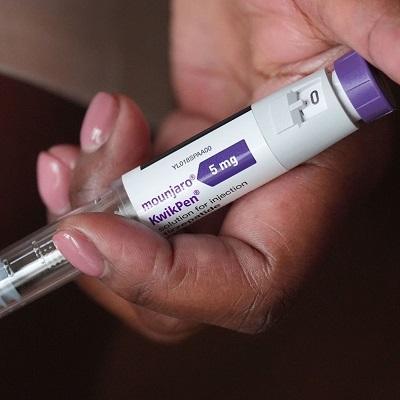
Mounjaro has become an increasingly discussed treatment for individuals looking to manage type 2 diabetes and support weight management. As more people learn about this injectable medication, questions often arise about how it should be used, when it should be administered, and whether meals affect its effectiveness. One of the most common questions is whether Mounjaro injections need to be taken with food or on an empty stomach.
For individuals researching Mounjaro Injections Oman, understanding the correct administration process is an important part of making informed treatment decisions. The good news is that Mounjaro does not need to be taken with food. It can be administered at any time of the day, regardless of whether an individual has eaten. However, understanding how meals influence digestion, appetite, and possible side effects can help individuals feel more comfortable during treatment.
1. Do Mounjaro Injections Need to Be Taken With Food?
No, Mounjaro injections do not need to be taken with food. Unlike certain oral medications that require meals to improve absorption or reduce stomach irritation, Mounjaro is administered under the skin and does not depend on food for absorption.
Its active ingredient, tirzepatide, enters the body through a subcutaneous injection. This means it is absorbed into the bloodstream from the tissue beneath the skin rather than passing through the digestive system.
Individuals can therefore administer their weekly injection:
-
Before breakfast.
-
After lunch.
-
In the evening.
-
Before going to bed.
-
With or without eating.
There is no requirement to coordinate the injection with a particular meal. This flexibility makes it easier to incorporate treatment into an existing weekly routine.
However, consistency is important. Mounjaro is generally administered once weekly, and individuals should try to use the same day each week. If the injection day needs to change, the recommended instructions should be followed, including the requirement to leave at least 72 hours between two doses.
2. How Does Food Affect the Effectiveness of Mounjaro?
Although food does not determine how effectively Mounjaro is absorbed, eating habits can influence how individuals feel during treatment.
Tirzepatide works by activating two hormone receptors known as GIP and GLP-1. These hormones naturally help regulate blood glucose, appetite, and digestion.
Mounjaro supports these processes through several mechanisms:
Regulating appetite
Mounjaro influences appetite-related signals in the body and brain. As a result, individuals may experience reduced hunger, increased fullness, and fewer food cravings.
This can make it easier to consume smaller portions and maintain healthier eating habits.
Slowing gastric emptying
One of the medication's effects is slowing the rate at which food moves from the stomach into the small intestine. This process is known as delayed gastric emptying.
When food remains in the stomach longer, individuals may feel full for an extended period after eating. This effect can also help moderate the rise in blood glucose following meals.
Supporting blood sugar regulation
Mounjaro improves glucose-dependent insulin secretion and reduces glucagon secretion when blood glucose is elevated.
These actions help the body manage blood sugar levels more effectively, particularly in individuals with type 2 diabetes.
Food is therefore not necessary for the injection to work, but balanced nutrition remains an important part of an effective treatment plan.
3. What Is the Best Time of Day to Take Mounjaro?
There is no medically required best time of day to administer Mounjaro. It can be injected in the morning, afternoon, or evening, depending on individual preferences and daily schedules.
The most important factor is maintaining a consistent weekly injection routine.
Some individuals prefer morning injections because they can easily remember them as part of their daily routine. Others may prefer evening administration because it fits better with their work or personal commitments.
A few practical considerations can help individuals choose a suitable schedule:
-
Choose a convenient day: A day that fits comfortably into the weekly routine can make it easier to remember each dose.
-
Maintain consistency: Taking the injection on the same weekday helps establish a predictable schedule.
-
Consider existing commitments: Travel, work schedules, and other responsibilities may influence the most convenient injection time.
-
Follow storage instructions: The medication should be stored according to its official product instructions to maintain its quality.
-
Keep track of doses: A medication diary or reminder can help prevent missed or repeated injections.
If an individual misses a dose, the official guidance generally allows administration within four days (96 hours) of the scheduled time. If more than four days have passed, the missed dose should be skipped, and the next dose should be taken on the regular scheduled day. Two doses should never be taken within 72 hours of each other.
4. What Foods Should Individuals Eat While Using Mounjaro?
Mounjaro does not require a specific diet, but nutritious food choices can support overall health, digestive comfort, and weight management.
Since the medication can reduce appetite and slow digestion, large or heavy meals may become less comfortable for some individuals.
A balanced eating pattern can help provide essential nutrients while reducing unnecessary digestive discomfort.
Protein-rich foods
Protein supports muscle maintenance and helps individuals feel satisfied after meals. Suitable options include:
-
Eggs.
-
Fish.
-
Skinless chicken.
-
Lean meat.
-
Greek yogurt.
-
Lentils and beans.
-
Tofu.
Including adequate protein is particularly important during weight loss because it can help preserve lean muscle mass.
Fiber-rich foods
Fiber supports digestive health and can help manage constipation, which some individuals experience during treatment.
Examples include:
-
Oats.
-
Whole grains.
-
Fresh vegetables.
-
Apples and pears.
-
Berries.
-
Beans and lentils.
Fiber intake should be increased gradually, as sudden changes may cause bloating or discomfort.
Healthy fats
Moderate amounts of healthy fats provide energy and support normal body functions.
Examples include avocados, olive oil, nuts, and seeds.
However, very high-fat meals may worsen nausea or digestive discomfort in some individuals.
Adequate hydration
Drinking enough water is important, particularly for individuals experiencing nausea, vomiting, diarrhea, or constipation.
Proper hydration also supports normal digestion and general well-being.
A balanced diet should be adapted to individual nutritional needs, medical conditions, and treatment goals.
5. Can Eating Before or After Mounjaro Help Reduce Side Effects?
Although Mounjaro can be taken without considering meal timing, eating habits may influence the severity of certain digestive side effects.
Nausea, vomiting, diarrhea, constipation, and abdominal discomfort are among the commonly reported side effects, especially when treatment begins or the dosage increases.
Eating smaller portions and avoiding certain foods may help some individuals feel more comfortable.
Eat smaller meals
Large meals can be difficult to tolerate because Mounjaro slows gastric emptying. Smaller meals spread throughout the day may help reduce feelings of excessive fullness.
Avoid very greasy foods
Fried foods and meals containing excessive fat can worsen nausea or indigestion in some individuals.
Choosing lighter meals may make digestion more comfortable.
Eat slowly
Eating slowly allows individuals to recognize fullness signals before consuming too much food. This can be particularly helpful because appetite and digestion may change during treatment.
Avoid lying down immediately after eating
Remaining upright after meals may help reduce reflux and uncomfortable fullness.
Stay hydrated
Small, regular amounts of water throughout the day can help maintain hydration. If vomiting or diarrhea becomes persistent, medical advice is important to prevent dehydration.
Individuals experiencing severe or ongoing abdominal pain, repeated vomiting, or other concerning symptoms should seek medical attention rather than attempting to manage them through dietary changes alone.
6. Important Tips for Using Mounjaro Safely
Correct administration and appropriate medical supervision are essential for getting the most from Mounjaro.
The injection is generally administered under the skin of the abdomen, thigh, or upper arm. The injection site should be rotated regularly to reduce the risk of local skin irritation.
Several important precautions should be considered before and during treatment.
Follow the prescribed dosage
Mounjaro treatment generally starts at a lower dose, which may be increased gradually according to medical guidance. Individuals should never increase the dose independently or use additional injections to achieve faster results.
Understand potential side effects
Common side effects include nausea, vomiting, diarrhea, constipation, abdominal discomfort, and reduced appetite.
More serious complications can include pancreatitis, gallbladder problems, and dehydration-related kidney complications.
Discuss existing medical conditions
Individuals should inform their healthcare professional about their medical history, current medications, and any previous digestive or pancreatic conditions.
Mounjaro has a boxed warning concerning thyroid C-cell tumors observed in animal studies. It should not be used by individuals with a personal or family history of medullary thyroid carcinoma or multiple endocrine neoplasia syndrome type 2.
Consider interactions with other medications
Mounjaro may increase the risk of hypoglycemia when combined with insulin or certain diabetes medications, such as sulfonylureas.
It can also affect the absorption of some oral medications by delaying gastric emptying. Individuals taking oral contraceptives should discuss additional contraceptive precautions with their healthcare professional when starting Mounjaro and after dose increases.
Store injections correctly
Mounjaro should be stored according to the manufacturer's instructions. Unused pens are generally refrigerated, and freezing must be avoided. Specific storage limits after removal from refrigeration depend on the product presentation and official instructions.
Following these precautions can help individuals use the medication more responsibly and reduce avoidable treatment-related complications.
Frequently Asked Questions (FAQs)
1. Can Mounjaro be taken on an empty stomach?
Yes. Mounjaro can be administered on an empty stomach because it is a subcutaneous injection rather than an oral medication. Food does not need to be consumed before or after the injection.
2. Should individuals eat before taking Mounjaro to prevent nausea?
Eating before the injection is not medically necessary. However, individuals who experience nausea may find smaller, lighter meals easier to tolerate. Very large, greasy, or heavy meals may worsen digestive discomfort.
3. Can Mounjaro be taken at night after dinner?
Yes. Mounjaro can be administered in the evening, including after dinner. There is no requirement to take it in the morning or at a particular time in relation to meals. Maintaining a consistent weekly schedule is more important.
4. Does Mounjaro work better before or after eating?
Mounjaro does not work better based on whether it is taken before or after eating. Its absorption and effectiveness are not dependent on meal timing because it is injected beneath the skin.
5. What should individuals avoid eating while using Mounjaro?
There is no universally prohibited food list. However, some individuals may experience increased nausea or digestive discomfort after consuming fried foods, high-fat meals, very large portions, or excessive amounts of sugary foods. Balanced meals and moderate portions are generally helpful.
6. What happens if an individual forgets to take a Mounjaro injection?
If a dose is missed, it can generally be administered within 96 hours of the scheduled injection time. If more than 96 hours have passed, the missed dose should be skipped, and the regular weekly schedule should continue. At least 72 hours must separate two doses. The official product instructions should always be followed.
Final Thoughts
Mounjaro injections do not need to be taken with food, making them a flexible option for individuals managing type 2 diabetes or pursuing medically appropriate weight management. Since the medication is administered beneath the skin, its absorption does not depend on eating before or after the injection.
However, food choices can influence digestive comfort, appetite, and overall treatment experience. Smaller portions, balanced meals, adequate protein, fiber-rich foods, and proper hydration can help individuals maintain healthy habits while using the medication.
Understanding the correct injection schedule, possible side effects, storage requirements, and medical precautions is equally important. With appropriate professional guidance and consistent use, individuals can make more informed decisions about whether Mounjaro is suitable for their health needs.
Read More About Mounjaro Injections: https://gracebook.app/blogs/239715/Mounjaro-Injections-What-Is-the-Difference-Between-Doses

 Arabic
 French
 Spanish
 Portuguese
 Deutsch
 Turkish
 Dutch
 Italiano
 Russian
 Romaian
 Portuguese (Brazil)
 Greek