
Many serious health conditions begin with symptoms that appear relatively harmless. A small mouth ulcer, a painless neck swelling or a persistent change in voice may not immediately create concern. People often wait for these problems to disappear, try home remedies or postpone visiting a doctor because they do not experience significant pain.
However, persistent changes involving the mouth, throat and neck should never be ignored.
Head and neck cancers can develop in different anatomical areas, and their early symptoms may sometimes resemble common dental or throat problems. Recognising unusual changes and obtaining timely medical evaluation are important steps towards an accurate diagnosis.
For people looking for the Best Head & Neck Cancer Surgeon in Delhi, understanding warning signs and seeking specialist advice can help prevent unnecessary delays.
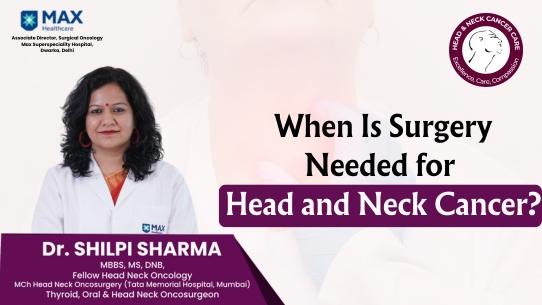
Dr. Shilpi Sharma, MBBS, MS, DNB, Fellow in Head & Neck Oncology, MCh Head & Neck Oncosurgery (Tata Memorial Hospital, Mumbai), specialises in thyroid, oral and head and neck oncosurgery.
The Problem With Ignoring Persistent Symptoms
One of the challenges in identifying head and neck cancer is that its initial symptoms are not always dramatic.
Some patients notice a small abnormality inside the mouth. Others discover a lump in the neck while shaving, applying skincare products or looking in the mirror.
These symptoms may not cause immediate discomfort, which can lead to delayed medical assessment.
Some warning signs that deserve attention include:
-
A mouth ulcer that does not heal.
-
An unexplained lump in the neck.
-
Persistent difficulty swallowing.
-
A voice change or hoarseness.
-
A white or red patch inside the mouth.
-
Unexplained bleeding from the oral cavity.
-
Persistent pain in the throat or ear.
-
Difficulty opening the mouth.
-
Unexplained weight loss.
These symptoms do not necessarily mean cancer is present. Nevertheless, persistent or unexplained symptoms should be evaluated by an appropriate medical professional.
A Head & Neck Cancer Specialist in Delhi can assess these changes and recommend investigations when required.
Five Common Mistakes People Make About Head and Neck Cancer
1. Assuming That Cancer Always Causes Pain
Many people believe that cancer must produce severe pain during its early stages.
This is not true. Some oral cancers and neck tumours may initially present as painless abnormalities.
Waiting for pain before seeking medical attention can result in unnecessary delays.
2. Treating Every Mouth Ulcer as a Dental Problem
Most mouth ulcers are harmless and resolve naturally. However, an ulcer that persists beyond two weeks, particularly when associated with a lump, bleeding or an unusual patch, requires professional evaluation.
Consulting an Oral Cancer Specialist in Delhi can help determine whether the lesion needs further investigation.
3. Ignoring a Painless Neck Lump
A neck lump may develop due to infection, inflammation, thyroid disease or other causes.
However, a persistent unexplained lump in an adult should be evaluated, even if it does not hurt.
A Neck Cancer Specialist in Delhi may recommend examination, ultrasound, needle sampling or additional imaging depending on the findings.
4. Delaying Medical Advice Because of Fear
Fear of a cancer diagnosis sometimes prevents people from visiting a specialist.
Unfortunately, avoiding an examination does not resolve the underlying problem.
Getting an accurate diagnosis provides an opportunity to understand the condition and consider appropriate treatment.
5. Assuming Surgery Is the Only Treatment
Cancer management is not the same for every patient.
Depending on the diagnosis, treatment may involve surgery, radiation therapy, chemotherapy, targeted treatment or a combination of approaches.
An experienced Head & Neck Oncosurgeon in Delhi can explain when surgery is appropriate and whether additional treatment may be required.
Oral Cancer Awareness: Recognising Changes Inside the Mouth
Oral cancer is an important health concern in India. It can develop in the tongue, cheeks, gums, lips and floor of the mouth.
Tobacco smoking, smokeless tobacco, areca nut and betel quid exposure are recognised risk factors. Alcohol use can also increase risk, particularly when combined with tobacco.
However, the absence of these exposures does not completely eliminate the possibility of oral cancer.
People should pay attention to:
-
Persistent ulcers.
-
Unusual thickening of oral tissues.
-
Red or white patches.
-
Unexplained bleeding.
-
Restricted tongue movement.
-
Difficulty opening the mouth.
-
A persistent lump inside the mouth.
A consultation with the Best Oral Cancer Surgeon in Delhi may involve a detailed oral examination and biopsy if a suspicious lesion is identified.
Treatment depends on the tumour's location and stage. Oral cancer surgery may involve removal of the primary tumour, neck dissection and reconstruction when indicated.
Patients searching for an Oral Cancer Hospital in Delhi should consider the availability of specialist surgery, pathology, oncology and rehabilitation services.
Thyroid Cancer: Why a Neck Swelling Needs Proper Assessment
A swelling in the front of the neck may originate from the thyroid gland.
Many thyroid nodules are benign, but some require further investigation to rule out malignancy.
Thyroid cancer may be discovered during a routine examination or when a patient notices a lump.
A Thyroid Cancer Specialist in Delhi may recommend:
-
Thyroid ultrasound.
-
Fine-needle aspiration cytology.
-
Assessment of suspicious cervical lymph nodes.
-
Additional imaging when clinically indicated.
Not every thyroid nodule requires surgery. The treatment decision depends on cytology, ultrasound findings, cancer type and other individual risk factors.
A Thyroid Cancer Doctor in Delhi can explain the significance of investigation results and discuss whether monitoring or surgery is appropriate.
When an operation is needed, a Thyroid Cancer Surgery Specialist in Delhi evaluates the extent of surgery required, including whether lymph node treatment is necessary.
What Happens When Head and Neck Cancer Is Diagnosed?
Receiving a cancer diagnosis can be overwhelming. Patients often have questions about treatment, recovery, cost, complications and the impact on daily activities.
The treatment journey generally involves several stages.
Diagnosis: Clinical examination and appropriate investigations establish the nature of the disease.
Staging: The extent of the cancer is assessed to guide treatment decisions.
Treatment planning: The specialist team evaluates surgical and non-surgical treatment options.
Treatment: The patient receives an individualised treatment approach.
Recovery and monitoring: Follow-up appointments help assess recovery and monitor for recurrence or treatment-related problems.
A Head & Neck Cancer Doctor in Delhi can help patients understand each stage and make informed decisions.
Why Choosing the Right Head and Neck Cancer Specialist Matters
Head and neck cancer surgery involves delicate anatomical structures. These include nerves, blood vessels and tissues responsible for speaking, swallowing, breathing and facial movement.
The surgeon's training and experience in this specialised field are important considerations.
When selecting a Head & Neck Cancer Surgeon in Delhi, patients should look at:
-
Relevant specialist qualifications.
-
Advanced training in head and neck oncology.
-
Experience in oral and thyroid cancer surgery.
-
Understanding of reconstructive treatment options.
-
Access to multidisciplinary cancer care.
-
Clear communication about treatment risks and benefits.
-
Availability of postoperative monitoring and rehabilitation.
Patients searching for the Best surgeon for head & neck cancer in Delhi should prioritise verified credentials and appropriate clinical expertise rather than relying only on advertising claims.
Meet Dr. Shilpi Sharma – Head & Neck Cancer Surgeon in Delhi NCR
Dr. Shilpi Sharma is a Thyroid, Oral and Head & Neck Oncosurgeon with specialist qualifications and training.
Professional qualifications:
-
MBBS
-
MS
-
DNB
-
Fellowship in Head & Neck Oncology
-
MCh Head & Neck Oncosurgery, Tata Memorial Hospital, Mumbai
Her clinical areas of focus include oral cancer surgery, thyroid cancer surgery and the management of head and neck tumours.
Patients looking for a Head & Neck Oncology Specialist in Delhi can seek assessment for suspicious oral lesions, thyroid abnormalities, neck lumps and diagnosed cancers.
Patients from Delhi and surrounding NCR locations can explore specialist consultation to understand their diagnosis and available treatment options.
For individuals searching for a Head & Neck Cancer Hospital in Delhi, it is important to consider the complete care pathway, including diagnosis, surgical planning, multidisciplinary treatment and follow-up.
Can Head and Neck Cancer Risk Be Reduced?
Although not all cases can be prevented, certain lifestyle choices can reduce exposure to established risk factors.
Important preventive measures include:
-
Avoid tobacco in all forms.
-
Avoid betel quid and areca nut products.
-
Limit or avoid alcohol consumption.
-
Maintain good oral hygiene.
-
Seek dental evaluation for persistent oral abnormalities.
-
Obtain medical advice for unexplained neck swelling.
-
Discuss HPV vaccination with a qualified healthcare professional where appropriate.
Regular awareness of oral and neck changes can also encourage earlier evaluation.
Frequently Asked Questions
1. What are the earliest warning signs of head and neck cancer?
Persistent mouth ulcers, unexplained neck lumps, swallowing difficulties, voice changes and unusual oral patches are some warning signs that deserve medical evaluation.
2. Can a painless mouth ulcer be cancerous?
Some oral cancers may initially be painless. An ulcer that does not heal within two weeks should be examined by a healthcare professional.
3. Is every thyroid lump dangerous?
No. Most thyroid nodules are not cancerous. Ultrasound and FNAC may help determine whether further evaluation is needed.
4. When should I consult a Head & Neck Cancer Surgeon in Delhi?
Consider specialist evaluation if you have a suspicious oral lesion, persistent neck lump, confirmed head and neck cancer or a thyroid abnormality requiring surgical assessment.
5. Is early treatment important in oral cancer?
Yes. Early diagnosis can provide more treatment options and may allow less extensive treatment in suitable cases. Outcomes depend on the cancer type, stage and individual circumstances.
Do Not Ignore What Your Body Is Telling You
Persistent changes in the mouth, throat and neck deserve attention. Waiting for symptoms to become painful or severe is not a safe approach to health.
Timely medical assessment, accurate diagnosis and appropriate treatment planning can help patients take informed steps towards managing their condition.
If you are searching for a Best Head & Neck Cancer Surgeon in Delhi, Head & Neck Cancer Specialist in Delhi NCR, Oral Cancer Specialist in Delhi or Thyroid Cancer Specialist in Delhi, consider consulting Dr. Shilpi Sharma.
Know the warning signs. Prioritise early detection. Seek specialist guidance.
For consultation details, visit:
https://headneckcancersurgeondelhigurgaon.com/
Medical disclaimer: This article provides general health information and is not a substitute for professional examination, diagnosis or individualised medical advice.

 English
 French
 Spanish
 Portuguese
 Deutsch
 Turkish
 Dutch
 Italiano
 Russian
 Romaian
 Portuguese (Brazil)
 Greek