
A urinary tract infection is uncomfortable enough the first time. When symptoms return weeks or months later, the experience can become frustrating and exhausting. Repeated burning urination, bladder pressure, and frequent bathroom visits may leave patients wondering whether their previous treatment worked. People exploring recurrent urinary tract infection treatment in Michigan often need more than temporary symptom relief. Understanding uti treatment michigan options, identifying possible triggers, and developing a personalized prevention plan can help patients manage recurring infections while avoiding unnecessary medication and repeated discomfort.
Why Urinary Tract Infections Keep Returning in Sterling Heights, Michigan
For residents of Sterling Heights, Michigan, recurring urinary symptoms can interfere with work schedules, family responsibilities, travel, and daily routines.
A recurrent urinary tract infection generally means experiencing at least two symptomatic infections within six months or three within one year.
However, repeated symptoms do not always indicate the same underlying problem.
Healthcare providers often distinguish between two patterns:
-
Reinfection: A new infection develops after a previous infection has resolved.
-
Relapse or persistence: Infection returns quickly or fails to clear, sometimes involving the same bacteria.
Understanding this difference can help guide further evaluation.
A real-life-style example
Consider a hypothetical 40-year-old teacher who receives treatment for a bladder infection. Her discomfort improves, and she returns to her normal routine.
Two months later, she experiences similar symptoms. After another episode, she begins wondering why the infections keep returning.
Instead of simply repeating the same medication, her healthcare provider reviews previous test results and considers whether a urine culture or additional assessment is necessary.
This example illustrates the importance of investigating repeated infections rather than assuming every episode has the same cause.
Possible contributing factors include:
-
Hormonal changes associated with menopause
-
Sexual activity
-
Certain contraceptive methods, particularly spermicides
-
Difficulty emptying the bladder completely
-
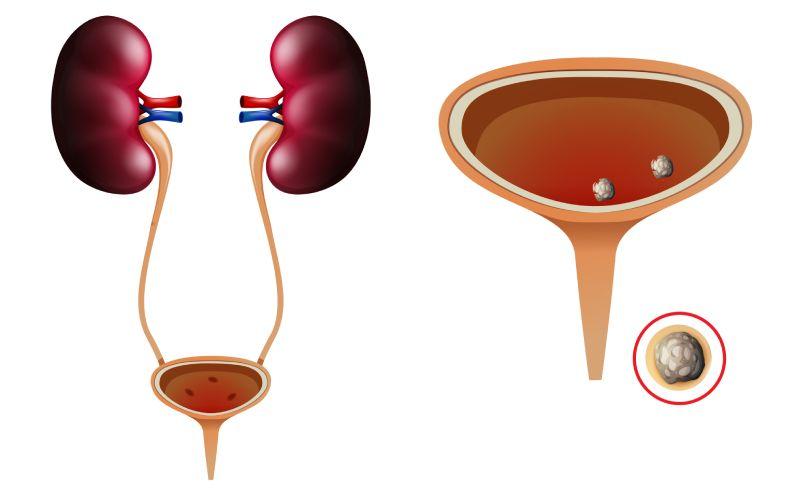
Urinary stones or structural abnormalities
-
Previous urinary infections
-
Catheter use
Some people experience recurrent infections without having an identifiable underlying medical problem.
How Urine Cultures and Medical History Guide Recurrent UTI Care
When urinary infections repeatedly return, understanding previous episodes becomes particularly valuable.
A healthcare provider may review the timing of symptoms, previous medications, urine testing results, and factors associated with each infection.
1. Reviewing previous infection patterns
Patients may be asked whether symptoms return after specific activities, whether they improve with treatment, and how frequently infections occur.
This information helps identify possible trends.
2. Using urine cultures when appropriate
A urine culture identifies bacteria growing in a urine sample and can help guide antibiotic selection.
Cultures are especially useful when infections recur, treatment is unsuccessful, or symptoms are unusual.
3. Evaluating possible underlying conditions
Additional assessment may be appropriate if a patient has difficulty emptying the bladder, develops repeated kidney infections, or experiences persistent blood in the urine.
Not every patient requires imaging or specialist testing.
4. Choosing antibiotics carefully
When bacterial infection is confirmed or strongly suspected, treatment depends on medical history, allergies, symptoms, and available laboratory information.
Repeatedly taking leftover antibiotics can contribute to resistance and may fail to address the actual problem.
At Dobra Primary Care & Family Medicine, Dr. Syed Mazhar, MD. provides medical care for patients experiencing urinary symptoms and other primary care concerns.
For patients managing repeated infections, discussing previous test results and treatment responses can support more informed medical decisions.
Prevention Strategies That Go Beyond Drinking More Water
Although staying hydrated is important, recurrent UTI prevention often requires understanding individual risk factors.
A strategy that works for one patient may not be appropriate for another.
Maintain appropriate hydration
Drinking enough water supports normal urinary function. Patients with heart or kidney conditions requiring fluid restrictions should follow medical guidance.
Discuss contraceptive methods
Spermicides can increase UTI risk in some women. Patients experiencing infections associated with their contraceptive method may benefit from discussing alternatives.
Review menopause-related changes
Declining estrogen levels after menopause can affect tissues surrounding the urinary tract.
For appropriate postmenopausal patients, healthcare providers may recommend vaginal estrogen as a preventive treatment.
Keep a urinary symptom diary
Recording infection dates, symptoms, test results, and treatments can help identify recurring patterns.
Useful details include:
-
When symptoms started
-
Whether a urine culture confirmed infection
-
Which medication was prescribed
-
How quickly symptoms improved
-
Whether symptoms returned after treatment
Avoid unnecessary antibiotic use
Antibiotics should be taken only when appropriate and exactly as prescribed.
Recognize when symptoms need urgent attention
Fever, chills, back or side pain, nausea, and vomiting alongside urinary symptoms may indicate kidney involvement.
These warning signs require prompt medical evaluation. Severe illness, confusion, or signs of sepsis require emergency care.
Patients searching for Immediate relief for UTI burning should also remember that temporary symptom-relief medication does not replace treatment of an underlying bacterial infection.
Building a Personalized UTI Treatment Michigan Prevention Plan
Long-term management focuses on reducing future infections while avoiding unnecessary testing and medication.
Patients researching Chronic UTI treatment sometimes describe recurring bacterial infections, while others experience persistent urinary discomfort without a confirmed infection.
These situations may require different medical approaches.
For example, Treatment for recurrent UTI in females may involve reviewing previous cultures, menopause-related changes, contraceptive use, or bladder-emptying concerns.
A personalized care plan may include:
-
Confirming recurrent infections through appropriate testing
-
Reviewing previous antibiotic effectiveness
-
Identifying individual infection triggers
-
Discussing non-antibiotic preventive options
-
Considering clinician-directed preventive antibiotics when appropriate
-
Arranging follow-up care for persistent symptoms
Some patients may benefit from discussing cranberry products or other prevention strategies with their healthcare provider. However, these approaches do not replace treatment for an active bacterial infection.
An important distinction is that bacteria found in urine without symptoms do not always require antibiotics. Exceptions include pregnancy and certain planned urinary procedures.
Medical care should also consider other possible causes when urinary discomfort continues despite negative cultures.
For patients in Sterling Heights and surrounding communities, ongoing primary care can provide an opportunity to review recurring symptoms, evaluate treatment history, and adjust preventive recommendations.
Conclusion
Recurring urinary infections can be frustrating, but repeated symptoms do not have to mean repeatedly using the same treatment. Identifying infection patterns, reviewing urine cultures, recognizing personal risk factors, and discussing prevention options can support better long-term care. Patients seeking uti treatment michigan should consider medical evaluation when symptoms repeatedly return. A personalized approach can help reduce unnecessary antibiotic use, address underlying concerns, and support healthier urinary habits.

 English
 Arabic
 French
 Portuguese
 Deutsch
 Turkish
 Dutch
 Italiano
 Russian
 Romaian
 Portuguese (Brazil)
 Greek