
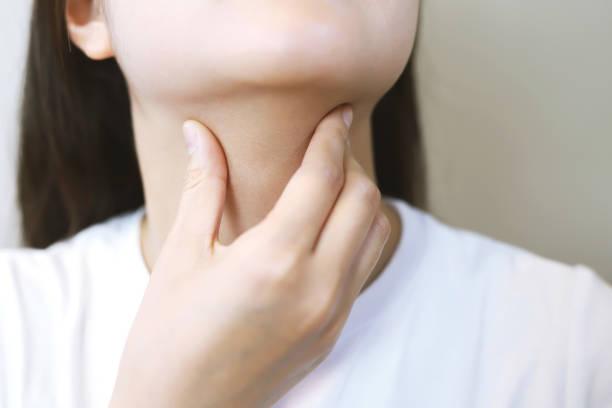
Returning to everyday activities after double chin liposuction is usually a gradual process. Double Chin Liposuction (شفط دهون الذقن المزدوج) Although some people may feel ready to resume light routines relatively soon, the treated area still needs time to recover. Swelling, tenderness, bruising, and temporary changes in sensation can influence how comfortable daily tasks feel during the healing period.
For adults who have undergone Double Chin Liposuction in Riyadh, the return to normal activities depends on individual healing, the extent of the procedure, and the surgeon's recommendations. There is no single recovery schedule that applies to everyone. Understanding the different stages of recovery can help patients plan their responsibilities without putting unnecessary pressure on the healing process.
Understanding Recovery After Double Chin Liposuction
Why Recovery Time Varies
Recovery depends on several factors, including general health, the surgical technique, the amount of treatment performed, and the body's natural healing response. Some individuals may experience mild temporary symptoms, while others may need more time before feeling comfortable with their usual routines.
The Importance of Gradual Progress
Resuming activities too quickly may increase discomfort or interfere with recovery. Patients should follow their surgeon's instructions rather than relying on another person's experience. Changes in swelling and comfort should also be discussed during follow-up appointments.
When You May Resume Everyday Activities
Light Activities and Walking
Gentle movement may be appropriate during the early recovery period if the surgeon permits it. Patients should avoid strenuous movement and follow any restrictions provided by their medical team. The appropriate level of activity depends on how recovery is progressing.
Returning to Work
The timing of a return to work depends on the nature of the job and individual recovery. Desk-based responsibilities may be easier to resume than physically demanding duties. Patients should discuss their work requirements with the surgeon when planning time away from regular responsibilities.
Driving and Commuting
Patients should not drive while affected by anesthesia, sedating medication, or discomfort that could interfere with safe vehicle control. They should ask their medical team when driving can be resumed and arrange suitable transportation until they receive appropriate clearance.
Household Responsibilities
Light household tasks may become manageable as comfort improves, but demanding chores should wait until the surgeon confirms they are appropriate. Activities involving heavy lifting, repeated bending, or significant physical effort may need to be limited during recovery.
Returning to Exercise and More Demanding Activities
Light Exercise
The timing for returning to exercise varies. Patients should ask their surgeon when gentle physical activity can be restarted and whether any movements should be avoided. Even activities that seem manageable should be introduced according to professional guidance.
Strenuous Exercise and Heavy Lifting
More demanding activities generally require additional recovery time. Heavy lifting, intense workouts, and vigorous sports should not be resumed until the treating surgeon confirms that it is safe. Returning gradually can help avoid unnecessary strain during healing.
Social Activities and Outings
Social activities can often be planned around comfort, swelling, and any recommended garment use. Patients may prefer to allow time for visible bruising or swelling to improve before attending important events. Individual recovery should guide these decisions.
Factors That Can Affect Your Return to Routine
Swelling and Discomfort
Temporary swelling, bruising, and tenderness can affect comfort when moving or carrying out daily tasks. These effects usually change over time, but their duration varies. Patients should report symptoms that become worse rather than gradually improving.
Individual Health and Healing
General health, medications, lifestyle habits, and the body's response to surgery can influence recovery. Smoking and nicotine may interfere with normal healing, so patients should discuss them with their healthcare professional and follow medical advice.
Following Aftercare Instructions
Recommended compression garments, wound care, rest, and follow-up appointments may all form part of an individual's recovery plan. Patients should follow the instructions provided by their surgeon and avoid making independent changes to their aftercare routine.
When to Seek Medical Advice
Contact the treating medical team if pain or swelling increases, redness spreads, fever develops, or there is unusual warmth, discharge, or persistent bleeding. Difficulty breathing, chest pain, or fainting requires emergency medical attention. Patients should not wait for a routine appointment if serious symptoms occur.
Conclusion
Returning to daily activities after double chin liposuction should be based on comfort, healing progress, and professional advice. Work, driving, exercise, and household responsibilities may each require different recovery considerations. Adults considering Double Chin Liposuction in Riyadh should discuss their daily routine with a qualified medical professional to understand realistic recovery expectations and individual restrictions.
For those seeking expert guidance and customized aesthetic care, you can book an appointment consultation at the 'Enfield Royal Riyadh (إنفيلد رويال الرياض).
Frequently Asked Questions
1. When can I return to work after double chin liposuction?
Timing depends on your job duties and recovery. Ask your surgeon when it is appropriate to resume working.
2. Can I walk after double chin liposuction?
Gentle movement may be allowed, but follow your surgeon's guidance about when and how to begin.
3. When can I resume exercise?
Resume exercise only after your surgeon confirms it is safe, especially for strenuous workouts and heavy lifting.
4. When can I drive after the procedure?
Drive only when you are no longer affected by anesthesia or sedating medication and have medical clearance.
5. What symptoms should delay my return to activities?
Worsening pain, swelling, fever, spreading redness, or unusual discharge should be assessed by your medical team.

 English
 French
 Spanish
 Portuguese
 Deutsch
 Turkish
 Dutch
 Italiano
 Russian
 Romaian
 Portuguese (Brazil)
 Greek