
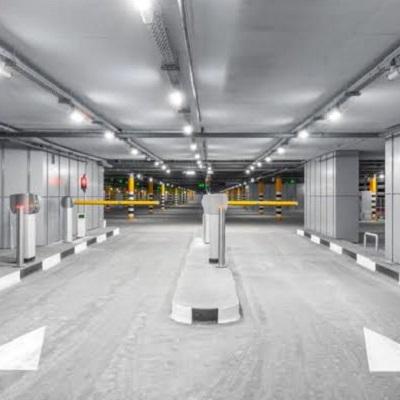
Unauthorized parking is a common challenge for commercial buildings, shopping malls, residential communities, hospitals, and other busy facilities. When drivers occupy reserved spaces, park in restricted areas, or leave vehicles in designated emergency zones, they create inconvenience for other visitors and disrupt the smooth operation of parking facilities. Without an effective monitoring system, these situations can become difficult to manage.
Modern parking technology provides practical solutions to these challenges. Through digital monitoring, automated access control, license plate recognition, and real-time occupancy tracking, parking operators can identify and prevent unauthorized vehicle activity. Businesses looking for reliable solutions often consider Best Parking Management Services Saudi Arabia to improve parking security, maintain order, and provide a better experience for visitors.
1. Understanding Unauthorized Parking and Its Common Causes
Unauthorized parking occurs when a vehicle occupies a parking space or enters an area without proper permission. It can happen in different types of parking facilities and often creates operational difficulties for property managers.
Some common examples include:
-
Drivers parking in spaces reserved for employees or management.
-
Vehicles occupying disabled parking spaces without authorization.
-
Visitors using reserved residential parking spots.
-
Drivers entering restricted parking zones without permission.
-
Vehicles remaining in parking spaces beyond their permitted duration.
-
Unauthorized vehicles blocking entrances, exits, or emergency access routes.
Several factors contribute to these problems. Poor signage, manual parking procedures, limited supervision, and unclear parking policies can encourage unauthorized use of spaces.
In facilities with high visitor traffic, identifying violations manually becomes increasingly difficult. Security staff may not be able to monitor every parking area throughout the day.
A modern parking management system addresses these challenges by combining automated monitoring with access control. This allows parking operators to identify unusual activity, enforce parking rules, and respond more efficiently.
2. Real-Time Monitoring Helps Identify Parking Violations
Real-time monitoring is one of the most important features of modern parking management technology. It provides parking operators with updated information about vehicle movements and parking space occupancy.
Instead of depending entirely on security personnel, the system uses connected cameras, sensors, and digital monitoring tools to observe parking activity.
When a vehicle enters a facility, the system can record its entry time and monitor its location or assigned parking space, depending on the installed technology.
If a vehicle occupies a restricted or reserved space, the system can help identify the violation. Parking operators can then review the information and take appropriate action.
Real-time monitoring offers several advantages:
-
Faster identification: Parking violations can be detected more quickly.
-
Improved supervision: Operators can monitor multiple parking areas from a central dashboard.
-
Better space management: Reserved and general parking spaces can be monitored separately.
-
Reduced manual work: Security teams spend less time checking vehicles individually.
-
Improved accountability: Digital records help operators review parking activity.
For shopping malls, office buildings, and large commercial facilities, these capabilities make parking operations more organized. They also help reduce confusion when multiple drivers compete for limited parking spaces.
3. License Plate Recognition Improves Vehicle Identification
Automatic Number Plate Recognition (ANPR), also known as License Plate Recognition (LPR), is another important technology used to manage unauthorized parking.
The system uses cameras and image-processing software to capture vehicle registration numbers when vehicles enter or leave a parking facility.
This information can be compared with an approved vehicle database. If a vehicle is registered, the system can recognize its authorized status. If the vehicle is not listed, it can flag the entry for further review.
For example, a residential community may maintain a database of registered residents and their vehicles. When an unfamiliar vehicle approaches the entrance, the system can identify that its registration number is not included in the approved list.
Depending on the facility's access policy, security personnel can verify the vehicle before allowing entry.
License plate recognition can also help identify vehicles that:
-
Enter restricted parking areas.
-
Use reserved spaces without approval.
-
Remain in a facility beyond permitted parking periods.
-
Enter or exit without following the required authorization process.
-
Repeatedly violate parking regulations.
Another advantage is accurate recordkeeping. Digital vehicle records make it easier for parking operators to investigate complaints and identify repeated violations.
However, recognition accuracy depends on camera positioning, lighting conditions, image quality, and the software being used. Proper installation and regular maintenance are therefore essential.
4. Automated Access Control Prevents Unauthorized Entry
Preventing unauthorized parking is often easier than dealing with violations after they happen. Automated access control helps parking operators establish clear entry and exit procedures.
These systems use different technologies, including:
-
RFID cards and vehicle tags.
-
QR codes and digital parking permits.
-
License plate recognition cameras.
-
Access barriers and automated gates.
-
Mobile-based visitor authorization.
When a vehicle approaches the entrance, the system checks whether it has permission to enter. Authorized vehicles can pass through automatically, while unregistered or restricted vehicles may be directed to security staff for verification.
For example, an office building may provide employees with registered access credentials. Visitors may receive temporary digital permits after their appointments are confirmed.
This approach reduces the possibility of unauthorized vehicles entering private parking areas.
Automated access control is especially useful for:
Commercial buildings: Businesses can separate employee, visitor, and management parking areas.
Residential communities: Property managers can control access to resident parking spaces.
Shopping malls: Operators can manage vehicle entry and reduce unnecessary congestion.
Hospitals and public facilities: Restricted areas can remain accessible to authorized vehicles and emergency services.
By establishing clear access permissions, parking facilities can maintain better control over vehicle movements.
5. Digital Parking Permits and Reserved Space Management
Digital parking permits provide another effective way to prevent unauthorized use of designated parking spaces.
Traditional paper permits and manual registration procedures can be difficult to manage, especially in large facilities with hundreds of vehicles. Digital systems simplify the process by storing authorization details electronically.
Parking operators can assign permits to specific users, vehicles, departments, or time periods.
For example, a company can allocate dedicated parking spaces to senior employees while keeping separate areas available for visitors. The system can store these permissions and help security personnel verify whether a vehicle is using the correct space.
Digital permit management can also support temporary authorization.
A visitor who needs parking for a limited period can receive a temporary permit. Once the approved period expires, the system can flag the vehicle for review if it remains on the premises.
Important benefits include:
-
Easier management of reserved parking spaces.
-
Better control over temporary parking permissions.
-
Reduced misuse of employee and visitor parking.
-
Faster verification of authorized vehicles.
-
More accurate digital parking records.
These features are particularly valuable in residential communities and commercial properties where parking arrangements may change regularly.
6. Alerts, Reporting, and Security Team Coordination
Identifying an unauthorized vehicle is only one part of effective parking management. Parking operators must also have a reliable process for responding to violations.
Modern parking management systems can generate alerts when specific parking rules are violated. Depending on the system configuration, alerts may appear on a central dashboard or be shared with authorized security personnel.
For instance, an alert may be generated when:
-
An unregistered vehicle enters a restricted area.
-
A vehicle occupies a reserved parking space.
-
A car remains beyond its permitted parking duration.
-
A vehicle enters through an unauthorized access point.
-
A restricted parking zone is occupied.
These notifications allow security teams to investigate issues without continuously checking every parking space.
Digital reporting also helps facility managers understand recurring parking problems. Reports can show violation patterns, frequently occupied restricted areas, and periods when unauthorized parking becomes more common.
This information supports better decision-making.
For example, if a particular section repeatedly experiences unauthorized parking, management may improve signage, adjust access permissions, install additional monitoring equipment, or increase security supervision.
A well-organized reporting process also improves communication between parking operators, property managers, and security personnel.
7. Long-Term Benefits of Preventing Unauthorized Parking
An effective parking management system offers benefits beyond identifying individual violations. It helps create a more secure, organized, and convenient environment for everyone using the facility.
Better parking security
Automated monitoring and access control reduce opportunities for unauthorized vehicles to enter restricted areas. They also help security teams identify suspicious parking activity.
Improved space availability
When drivers cannot occupy reserved spaces without permission, authorized users have a better chance of finding their designated parking spots.
Reduced traffic congestion
Unauthorized vehicles can block access routes and create unnecessary delays. Better monitoring helps maintain smoother vehicle movement within parking facilities.
Improved visitor experience
Customers, employees, residents, and guests benefit from clearly managed parking arrangements. They spend less time searching for appropriate spaces and dealing with parking-related confusion.
More efficient staff operations
Automated systems reduce the amount of repetitive manual supervision required. Security personnel can focus on important responsibilities instead of checking every vehicle individually.
Better operational decisions
Digital reports provide useful information about parking occupancy, vehicle movements, and recurring violations. Facility managers can use these insights to improve parking policies and resource allocation.
For businesses across Saudi Arabia, these advantages are particularly relevant as commercial developments, residential projects, and public facilities continue to require organized parking infrastructure.
Modern parking solutions help property operators maintain consistent standards while supporting the needs of different types of visitors.
Frequently Asked Questions (FAQs)
1. How does a parking management system detect unauthorized parking?
A parking management system uses cameras, sensors, license plate recognition, and digital access records to identify vehicles that occupy restricted spaces or enter parking areas without permission.
2. Can a parking management system prevent unauthorized vehicles from entering?
Yes. Automated barriers, RFID credentials, QR codes, and license plate recognition can verify vehicle permissions before allowing access to restricted parking facilities.
3. How does license plate recognition help prevent parking violations?
License plate recognition captures vehicle registration numbers and compares them with approved vehicle records. This helps operators identify unregistered vehicles and monitor unauthorized parking activity.
4. Can parking management systems monitor reserved parking spaces?
Yes. Digital parking permits and occupancy monitoring can help operators manage employee, visitor, resident, and other reserved spaces while identifying possible misuse.
5. Are automated parking systems suitable for residential communities?
Yes. They can help residential communities manage registered vehicles, control visitor access, monitor reserved spaces, and reduce unauthorized parking within private areas.
6. Why is real-time monitoring important for parking security?
Real-time monitoring allows parking operators to identify violations quickly, respond to unauthorized vehicle activity, and maintain better control over parking facilities. It also provides useful information for improving long-term parking operations.
Conclusion
Unauthorized parking can create serious operational challenges for businesses, residential communities, shopping malls, and commercial facilities. When parking spaces are occupied without permission, authorized users experience inconvenience, security risks increase, and vehicle movement becomes less organized.
Modern parking management systems address these problems through real-time monitoring, license plate recognition, automated access control, digital permits, and intelligent reporting. These technologies help operators identify violations, prevent unauthorized entry, and maintain better control over available parking spaces.
As parking requirements continue to evolve across Saudi Arabia, automated parking solutions are becoming increasingly valuable for facilities that want to improve security, efficiency, and visitor satisfaction. By adopting suitable parking management technology, property owners can create a more organized parking environment and support smoother day-to-day operations.

 English
 Arabic
 French
 Spanish
 Portuguese
 Deutsch
 Turkish
 Dutch
 Russian
 Romaian
 Portuguese (Brazil)
 Greek