
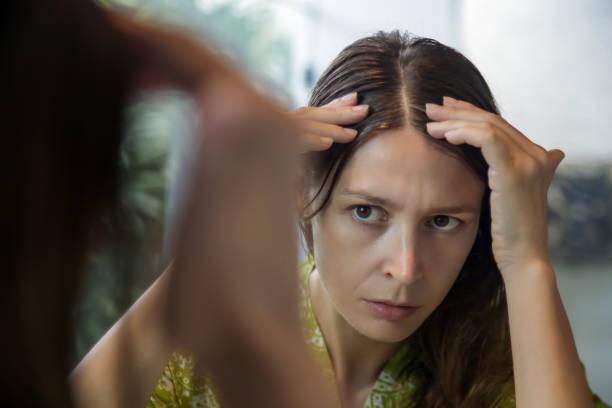
Stress is a normal part of life, but prolonged emotional or physical stress can affect several body functions, including the hair-growth cycle. Some people notice increased shedding after a difficult period, illness, or major life change. Hair Loss Treatment in Riyadh Although stress is not the only cause of hair loss, understanding its possible effects can help people recognize when professional advice may be needed.
Understanding Hair Loss Treatment in Riyadh starts with identifying the reason for increased shedding. Genetics, hormonal changes, nutritional deficiencies, medical conditions, and scalp disorders can all contribute. Stress management may support general well-being, but it should not replace an assessment of persistent or unexplained hair changes.
How Can Stress Affect the Hair-Growth Cycle?
Hair naturally moves through growing, resting, and shedding phases. Significant physical or emotional stress may disrupt this cycle in some individuals, causing more hairs than usual to enter the resting phase.
This can lead to a condition called telogen effluvium, which often becomes noticeable several weeks or months after a triggering event. Increased shedding may be temporary, but the duration and recovery pattern vary depending on the cause and individual circumstances.
Common Stress-Related Triggers for Hair Shedding
Emotional Stress
Difficult life events, ongoing worries, and prolonged emotional pressure may contribute to stress-related shedding in some people. However, stress does not explain every case of hair loss, and other possible causes should also be considered.
Physical Stress and Illness
Fever, infections, surgery, significant illness, or other physical challenges can sometimes disrupt the hair-growth cycle. Shedding may appear after the original health issue has passed, making the connection less obvious.
Changes in Sleep Patterns
Disrupted sleep can affect mood, concentration, and the body's ability to manage everyday stress. Although poor sleep is not established as a direct cause of every type of hair loss, maintaining regular rest habits supports general health.
Major Lifestyle or Dietary Changes
Sudden changes in eating patterns, inadequate nutrition, or significant changes in daily routines may affect overall health and hair condition. Nutritional deficiencies can also contribute to shedding, so persistent changes should be discussed with a healthcare professional.
Stress Management Habits That Support General Well-Being
Maintain a Consistent Daily Routine
Regular meal times, a balanced schedule, and manageable daily activities can create a sense of structure. Small, realistic habits are often easier to maintain than major lifestyle changes.
Make Time for Relaxing Activities
Reading, creative hobbies, spending time outdoors, or listening to calming music may help some people manage everyday pressure. Choose activities that feel comfortable and enjoyable rather than treating relaxation as another task.
Stay Physically Active in a Balanced Way
Regular, age-appropriate movement can support general physical and emotional well-being. Activities should be comfortable and suited to individual ability, without excessive exercise or pressure.
Build Healthy Sleep Habits
A consistent bedtime routine and a comfortable sleeping environment may support better rest. Reducing late-night distractions can also make it easier to maintain a regular schedule.
Seek Support When Stress Feels Difficult
Talking with a trusted adult, family member, counsellor, or healthcare professional can help when stress becomes difficult to manage. Support is particularly important when emotional pressure affects sleep, school, work, or everyday activities.
Can Stress Management Stop Hair Shedding?
Managing stress may help address one possible contributing factor, but it cannot guarantee that shedding will stop. Telogen effluvium can have several triggers, and hair recovery depends on whether the underlying cause has resolved.
Hair Loss Treatment in Riyadh should be guided by an understanding of the individual's symptoms and health history. A healthcare professional can help determine whether stress, nutritional concerns, illness, medication effects, or another condition may be involved.
When Should You Seek Professional Advice?
Consider a medical assessment if shedding is sudden, persistent, patchy, or accompanied by scalp redness, itching, scaling, or discomfort. A clinician may review recent illnesses, lifestyle changes, nutrition, and medical history to identify possible causes.
People researching hair loss treatment in saudi arabia should be cautious about products promising to reverse stress-related shedding quickly. For younger individuals, involving a trusted adult can help arrange appropriate professional guidance.
Conclusion
Stress may contribute to temporary hair shedding in some circumstances, but it is only one of several possible factors. Consistent sleep, balanced routines, enjoyable activities, and appropriate support can help manage everyday stress. Hair Loss Treatment in Riyadh should focus on identifying the underlying cause rather than assuming that stress is responsible for every change in hair density.
For those seeking expert guidance and customized aesthetic care, you can book an appointment consultation at the 'Enfield Royal Riyadh.
Frequently Asked Questions
1. Can stress cause increased hair shedding?
Yes. Significant stress may disrupt the hair-growth cycle and contribute to temporary shedding in some individuals.
2. What is telogen effluvium?
It is a type of temporary shedding that occurs when more hairs than usual enter the resting phase.
3. Does stress-related hair shedding happen immediately?
Not usually. Increased shedding may become noticeable several weeks or months after a triggering event.
4. Can relaxation habits reverse hair loss?
They may support well-being, but they cannot guarantee recovery or treat every underlying cause of hair loss.
5. When should stress-related shedding be assessed?
Seek professional advice for persistent, sudden, patchy, or unexplained hair shedding.

 English
 French
 Spanish
 Portuguese
 Deutsch
 Turkish
 Dutch
 Italiano
 Russian
 Romaian
 Portuguese (Brazil)
 Greek