
Picture walking up to your door with groceries in both hands, and instead of fumbling for keys, you tap a code or a fingerprint and the door just opens. Tempting, right? That's the pitch behind most modern keyless locks, and plenty of people in the UAE are curious about smart lock dubai options for homes, villas and rentals. But convenience isn't the whole story. These devices come with trade-offs around power, climate, security and compatibility. This guide explains how they work, what the main types are, what to check before buying, and the mistakes that trip people up.
How keyless locks work (in plain English)
At its core, a smart lock still does the same thing as a regular one: it moves a bolt. The difference is what tells it to move. Instead of only a key, you might use:
-
A keypad code. Simple, and you can give guests a temporary code.
-
A fingerprint. Quick and personal, though results vary with cheaper readers.
-
A phone app (Bluetooth or Wi-Fi). Lets you lock and unlock remotely or check activity.
-
A card or fob. Common in shared buildings and offices.
Most models keep a physical key backup, which matters more than people realize.
The upsides people actually notice
Here's what tends to make a real difference in daily life:
-
No more lost keys. Or at least fewer panicked pocket searches.
-
Easy guest access. Cleaners, family and dog-walkers can get their own codes.
-
Activity records. Some models show who came in and when.
-
Quick changes. Removing someone's access takes a few taps, not a new set of keys.
For a rental or a home with several people coming and going, that flexibility is the big draw.
The downsides nobody puts on the box
It's only fair to look at the other side too:
-
Batteries. They run out, and a dead battery at the wrong moment is a classic headache. Low-battery warnings help, but you've got to act on them.
-
Heat. Dubai summers are tough on electronics. Check the manufacturer's stated operating temperature, especially for exterior or balcony doors in direct sun.
-
Connectivity glitches. Wi-Fi or Bluetooth can drop, and apps sometimes need updates.
-
Fit issues. Not every model suits every door, especially narrow aluminium or glass doors.
-
Security hygiene. Weak codes like 1234 or a birth year defeat the purpose.
None of this is a reason to avoid them. It's a reason to pick carefully.
What to check before you buy
A short checklist saves a lot of regret:
-
Door type and thickness. Measure it, and check the lock's compatibility list.
-
Backset and cutout. Make sure the dimensions match your current hardware.
-
Backup access. Look for a mechanical key slot or an emergency power option.
-
Power source. Know what batteries it takes and how long they typically last.
-
Build quality. Metal bodies and solid bolts generally outlast thin plastic ones.
-
App and updates. Check whether the maker keeps updating the software.
-
Rental rules. If you rent, ask your landlord or property manager before changing anything.
A quick example: a tenant bought a keypad lock for a balcony door, only to find the door frame was too narrow for the body. A slimline model with the right cutout solved it, but only after one return and some frustration.
Mistakes worth dodging
-
Buying purely on features and ignoring fit
-
Skipping the backup key
-
Using easy-to-guess codes
-
Forgetting to change the default code after installation
-
Sharing one code with everyone instead of giving each person their own
Getting the setup right
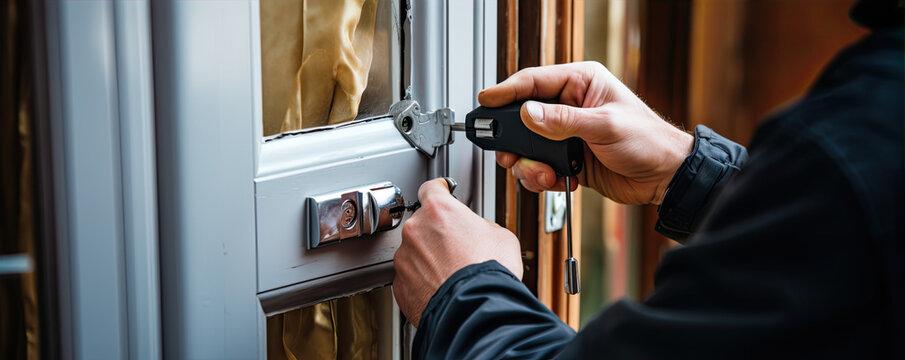
Installation matters as much as the lock itself. A slightly misaligned bolt can make even a premium model feel unreliable. If you'd like a Dubai-based name to look at while you research, locksmithdubainearme.ae is one worth bookmarking, so you've got a contact ready before something needs fixing.
FAQs
Do keyless locks still need a key?
Many include a backup key slot, and it's a good feature to insist on.
What happens if the battery dies?
Most models give low-battery warnings, and many allow emergency power or a backup key.
Are they safe from hacking?
No device is perfect, but strong codes, updated software and reputable brands reduce the risk.
Can I fit one on any door?
Not always. Door thickness, material and the existing cutout all matter.
Are they worth it for a rental property?
They can be, especially for guest access, but check permissions and the tenancy rules first.

 English
 French
 Spanish
 Portuguese
 Deutsch
 Turkish
 Dutch
 Italiano
 Russian
 Romaian
 Portuguese (Brazil)
 Greek