
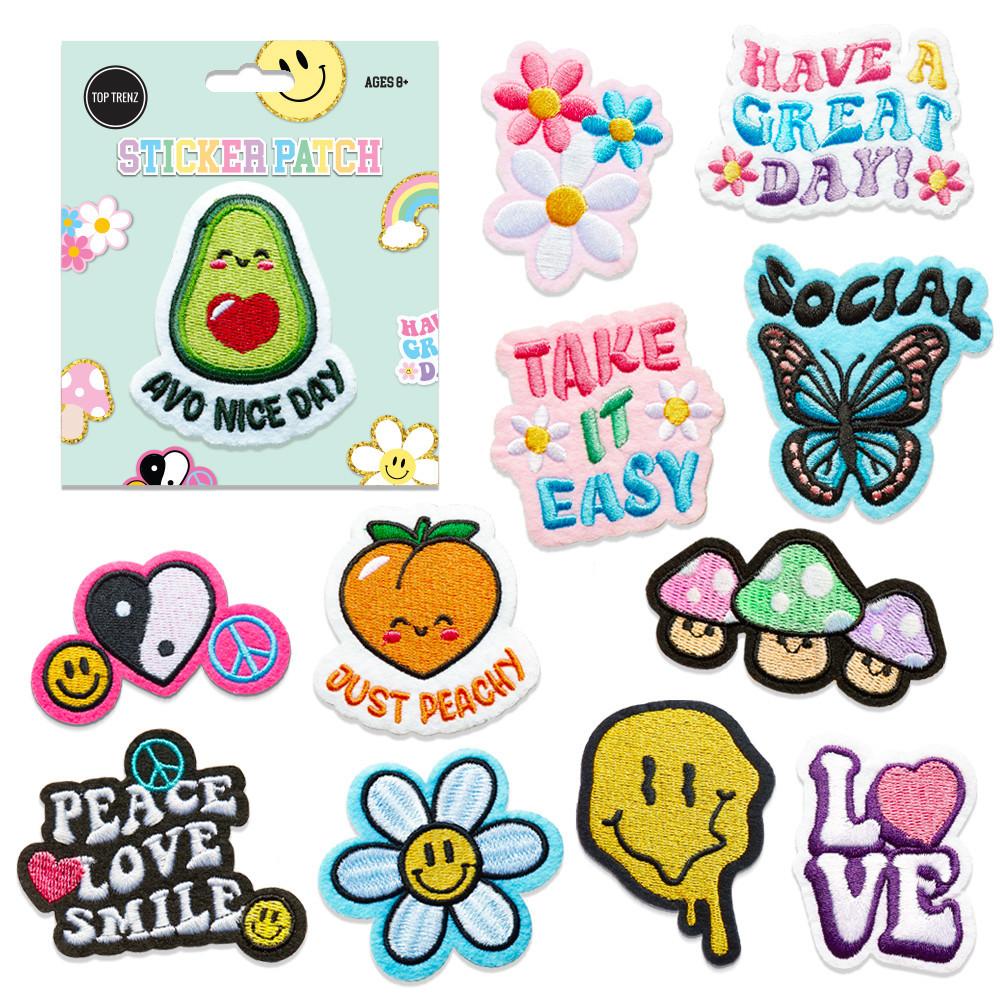
Give Your Shirts a Unique Look with Custom Patches
A simple shirt can become more interesting with a well-designed patch. Whether you want to display a business logo, add a name or create a personal fashion statement, custom patches offer plenty of creative options.
A shirt patch maker helps turn an idea into a finished design that can be attached to clothing. You can choose the shape, colours, lettering, artwork and materials to match your needs.
From small decorative badges to detailed embroidered designs, patches can help refresh old garments and give new shirts a more personal appearance.
What Does a Shirt Patch Maker Do?
A shirt patch maker creates patches that can be attached to different types of clothing. The process may involve selecting a design, choosing materials, preparing the artwork and producing the finished patch.
Some services allow customers to submit their own logos or drawings. Others offer design support for people who need help turning an idea into a suitable patch.
The finished product can be used for:
-
Personalised shirts and jackets
-
Business uniforms
-
Sports teams and clubs
-
School and event clothing
-
Promotional garments
-
Fashion and streetwear designs
The best design depends on where you plan to place the patch and how often the garment will be worn.
Popular Types of Shirt Patches
Different patch styles create different looks and offer different practical benefits.
1. Embroidered Patches
<AsyncImage query="colourful embroidered custom patches collection on fabric" aspectRatio="16:9"/>
Embroidered patches use thread to create raised designs and textured details. They are popular for logos, names, symbols and decorative artwork.
Their stitched appearance gives clothing a traditional, detailed finish.
2. Woven Patches
<AsyncImage query="woven custom clothing patches detailed lettering close up" aspectRatio="16:9"/>
Woven patches use thinner threads to create a smooth surface. They can show smaller details and fine lettering more clearly than some embroidered designs.
They are useful when a design includes narrow lines or detailed text.
3. Printed Patches
<AsyncImage query="custom printed fabric patches colourful artwork" aspectRatio="16:9"/>
Printed patches place artwork directly onto a suitable fabric surface. They allow a wide range of colours, gradients and detailed images.
This style can work well for designs that would be difficult to reproduce using thread alone.
4. Iron-On Patches
<AsyncImage query="iron on embroidered patch backing close up" aspectRatio="16:9"/>
Iron-on patches have heat-activated adhesive on the back. When suitable heat and pressure are applied, the adhesive bonds with compatible fabric.
They offer convenient application, although the garment must be able to tolerate the required temperature.
How to Create a Custom Shirt Patch
Creating a patch starts with a clear idea. A little planning can make the final result more attractive and practical.
Step 1: Choose your purpose
Decide whether the patch is for personal fashion, business branding, team clothing or clothing repair. This helps determine the design and material.
Step 2: Prepare your artwork
Create a logo, choose lettering or draw a simple image. Make sure the design remains clear when reduced to the final patch size.
Step 3: Select the material
Consider embroidery, woven fabric or printing. Each option offers a different appearance and level of detail.
Step 4: Choose the shape and size
Common shapes include circles, rectangles, squares and custom outlines. Select a size that fits the intended area of the shirt.
Step 5: Select the backing
You can choose sew-on, iron-on, adhesive or hook-and-loop backing, depending on how you want to attach and use the patch.
Step 6: Review the finished design
Check the spelling, colours, edges and artwork before approving production. This is especially important when ordering several matching patches.
What Makes a Good Shirt Patch Design?
A successful patch should look clear and suit the garment. Avoid adding too many small details to a design that will be produced at a small size.
Choose colours that contrast well with the shirt. Use readable lettering and make sure important parts of the artwork remain visible.
Also, think about durability. A patch for a frequently worn work shirt may need a different material and attachment method from a decorative patch for occasional use.
How to Attach and Care for Shirt Patches
The correct attachment method depends on the backing. Sew-on patches need secure stitching around the edges, while iron-on patches require suitable heat and pressure.
Always check the garment's care label before applying heat. Once attached, follow the washing instructions for both the shirt and patch.
Turning the garment inside out before washing may help reduce friction. Check the patch edges regularly and repair loose stitching before it becomes worse.
Frequently Asked Questions
Can I create my own shirt patch design?
Yes. You can prepare your own artwork, logo, text or drawing and provide it to a custom patch maker. Check the supplier's artwork requirements first.
Which patch type is best for shirts?
Embroidered, woven and printed patches can all work well. The right choice depends on the design, desired appearance and level of detail.
Are custom patches suitable for business uniforms?
Yes. Businesses can use matching patches to display company names, logos or team roles on suitable garments.
Can I attach a patch without sewing?
Yes. Iron-on and some adhesive-backed patches do not require stitching. However, check fabric compatibility and product instructions before application.
How long do custom shirt patches last?
Their lifespan depends on material quality, attachment method, washing habits and everyday wear. Correct application and care can help them last longer.
Final Thoughts
Custom patches offer a practical way to personalise shirts, display logos and refresh older clothing. A good design starts with a clear purpose, suitable materials and the right attachment method. Whether you prefer embroidery, woven details or printed artwork, carefully planned patches can give ordinary garments a distinctive finish.

 English
 Arabic
 French
 Spanish
 Portuguese
 Deutsch
 Turkish
 Dutch
 Italiano
 Romaian
 Portuguese (Brazil)
 Greek