
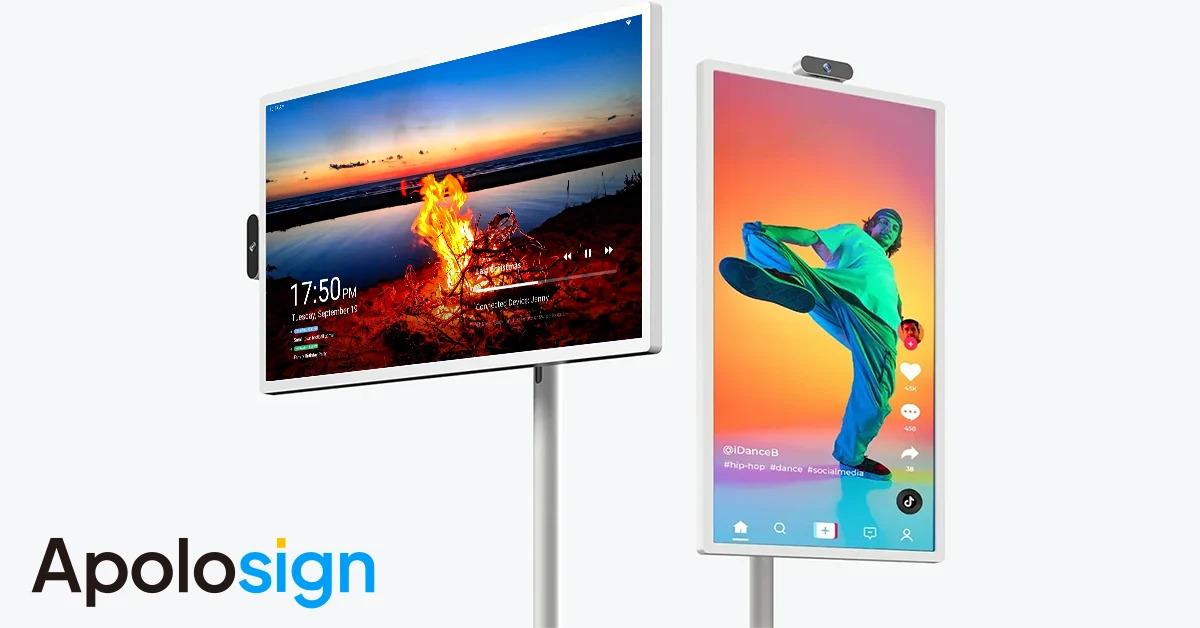
Entertainment habits have become more flexible as people look for ways to enjoy digital content in different parts of their homes. Instead of keeping every viewing activity in one living room, households may want a screen that can serve different purposes in suitable indoor areas and selected outdoor settings. A portable smart TV can support this approach by combining smart entertainment features with a design intended for flexible placement.
Choosing the right model requires more than looking at screen size. Buyers should consider where they plan to use the display, how they will connect it to the internet, and whether its design is appropriate for the intended environment.
Understanding Indoor Entertainment Needs
Indoor use is usually the starting point when comparing portable smart TVs. A device may be used in a bedroom, home office, kitchen, guest room, or shared living area. Each location creates different requirements.
For a bedroom, a compact display may be easier to position without taking up too much space. In a home office, the screen could provide access to entertainment during breaks or display compatible content when needed. A guest room may benefit from a flexible screen that does not require a permanent installation.
Think about the available furniture and viewing distance before choosing a size. A screen that looks suitable in a large showroom may feel oversized in a smaller room.
Planning for Outdoor Viewing
Some households enjoy watching content in covered patios, enclosed balconies, or other suitable outdoor areas. A portable smart TV may offer flexibility for these settings, but buyers should never assume that every television is designed for outdoor exposure.
Weather, moisture, dust, direct sunlight, and temperature changes can affect electronic equipment. Unless the manufacturer specifically identifies a device as suitable for outdoor conditions, it should be kept in a protected indoor environment.
For occasional viewing near an open patio or balcony, consider a stable location protected from environmental exposure. Avoid placing electronic equipment where it could be affected by rain, splashes, or excessive heat.
Display Quality and Viewing Conditions
Display quality can make a noticeable difference when watching films, shows, and online videos. Resolution is one factor to compare, but it should not be the only consideration.
Brightness, contrast, viewing angles, and screen size also influence the experience. A display used in a bright room may need different characteristics from one mainly used in a dim bedroom.
Before purchasing, review the manufacturer's specifications and consider the lighting conditions in the intended viewing areas. Reading product information carefully can help prevent unrealistic expectations.
Connectivity for Flexible Entertainment
Smart entertainment depends on compatible connectivity. Wi-Fi is important for streaming applications, while physical connections can help users connect external devices.
Depending on the model, useful options may include HDMI, USB, Bluetooth, and wireless screen-sharing features. Buyers should confirm which connections are actually supported rather than assuming that every portable smart TV includes the same features.
Internet reliability also matters. If several devices are connected to the same household network, streaming quality may depend on network capacity and router placement.
Portability and Practical Placement
Portability is useful only when the device can be moved and positioned safely. Consider its overall weight, dimensions, stand design, and whether it has a handle or other carrying feature.
A stable surface is essential. The display should not be placed near edges, unstable furniture, or areas where people may accidentally knock it over. If a device is moved frequently, accessories and cables should be stored carefully.
It is worth comparing these practical details before reviewing promotional offers. Checking the apolosign Coupon Code may help buyers understand whether a current discount is available, but the product should still meet their requirements.
Sound and Everyday Convenience
Audio quality is another important part of the viewing experience. Built-in speakers may be sufficient for casual viewing in a small room, while some households may prefer compatible external audio equipment.
Check the available audio connections and wireless compatibility if sound is a priority. Also consider the remote control, menu layout, supported applications, and ease of navigating settings.
A straightforward interface can make the television easier to use in different rooms and for different members of the household.
Comparing Models Before Buying
A useful comparison should include screen size, resolution, brightness, supported applications, connectivity, audio, dimensions, and warranty coverage. Buyers should also check whether the device's operating system receives relevant software updates.
The apolosign Coupon Code can be part of the final price comparison when reviewing available buying options. However, a discount should not outweigh important considerations such as product compatibility, reliability, and suitability for the intended environment.
Conclusion
A portable smart TV can provide flexible entertainment across different indoor spaces and selected protected settings. The best choice depends on how the screen will be used, the conditions in each location, and the features required for everyday viewing. By comparing display quality, connectivity, portability, sound, and safety considerations, buyers can make a more informed decision.

 English
 French
 Spanish
 Portuguese
 Deutsch
 Turkish
 Dutch
 Italiano
 Russian
 Romaian
 Portuguese (Brazil)
 Greek