
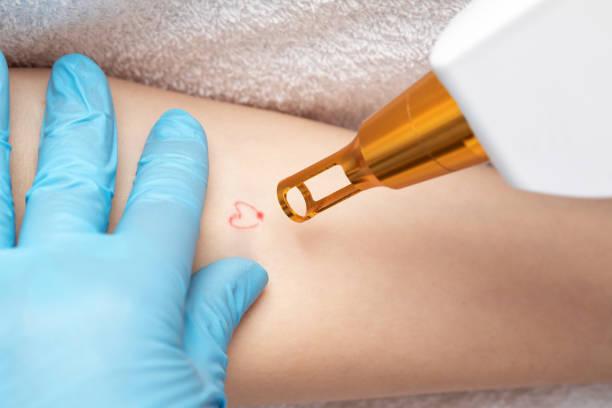
Preparing properly before your first laser tattoo removal session can help support a smoother treatment experience and reduce the risk of unwanted skin reactions. Although laser technology is designed to target tattoo pigment, the condition of your skin, medical history, and daily habits can influence how it responds to treatment. Understanding the necessary precautions before Laser Tattoo Removal in Riyadh can help you feel more confident and prepare your skin for the procedure.
Before starting treatment, it is important to have your tattoo and skin assessed by a qualified practitioner. The specialist can evaluate the tattoo's color, size, depth, and ink density while considering your skin type and medical history. During Laser Tattoo Removal in Riyadh, this assessment helps determine suitable laser settings, identify possible risks, and establish realistic expectations about the number of sessions required. Following professional preparation instructions can also help reduce avoidable complications.
Why Is Preparation Important Before Laser Tattoo Removal?
Laser tattoo removal uses controlled pulses of light energy to break tattoo pigment into smaller particles. The body's immune system gradually clears these fragments after treatment. Although the procedure is designed to target ink, the surrounding skin can experience temporary redness, swelling, tenderness, or other reactions.
Preparing the treatment area helps ensure that the skin is in a suitable condition before laser exposure. It also gives the practitioner an opportunity to identify factors that may affect treatment safety, healing, or results.
Schedule a Professional Consultation
Your first step should be arranging a consultation with a qualified laser treatment professional. Avoid choosing treatment based only on online information or the appearance of your tattoo.
During the consultation, the practitioner may assess:
-
Tattoo size, color, age, and location.
-
Ink depth, density, and possible pigment composition.
-
Your skin tone and sensitivity.
-
Previous laser treatments or tattoo removal attempts.
-
Medical conditions, allergies, medications, and healing history.
-
Any history of scarring or pigmentation changes.
This information helps the practitioner determine whether laser removal is appropriate and which treatment approach may be suitable.
Avoid Sun Exposure and Tanning
Protecting your skin from excessive sunlight before treatment is important. Sun exposure can cause tanning and increase melanin activity in the skin. This may affect how laser energy interacts with the surrounding tissue and increase the risk of pigmentation changes.
Protect the Tattooed Area
Keep the tattooed area covered when spending time outdoors. Use broad-spectrum sunscreen on exposed skin when appropriate, and follow the practitioner's instructions about sun protection before treatment.
Avoid Tanning Beds and Self-Tanning Products
Avoid tanning beds and self-tanning products on or near the treatment area before your appointment. If your skin is recently tanned or sunburned, inform the practitioner because treatment may need to be postponed until the skin has recovered.
Keep the Treatment Area Clean and Healthy
The skin should be clean and free from active irritation before your session. Wash the area gently and avoid harsh scrubs, strong exfoliating products, or irritating treatments near the appointment.
Do not apply heavy creams, oils, perfumes, or makeup over the tattoo immediately before treatment unless your practitioner advises otherwise. The treatment area should be accessible for proper cleaning and preparation.
If you notice a rash, infection, open wound, unusual swelling, or significant irritation around the tattoo, contact the clinic before attending your appointment. Treatment may need to be delayed until the skin is healthy.
Inform Your Practitioner About Medications and Medical History
Sharing accurate medical information is an important part of preparing for laser tattoo removal. Some medications and medical conditions may affect skin sensitivity, healing, or the risk of complications.
Tell your practitioner about:
-
Prescription and over-the-counter medications.
-
Topical creams and skincare products.
-
Previous allergic reactions to tattoo ink or skin treatments.
-
A history of keloid scars or abnormal wound healing.
-
Conditions that affect the skin or immune system.
-
Previous laser procedures or tattoo removal treatments.
Do not stop prescribed medication without consulting the healthcare professional who prescribed it. Your practitioner can review your information and determine whether any precautions or adjustments are necessary.
Avoid Irritating Treatments Before Your Appointment
Strong exfoliating products, chemical peels, aggressive scrubbing, and certain cosmetic procedures can make the skin more sensitive. Avoid using irritating treatments on the tattooed area before your appointment unless your practitioner specifically approves them.
If you shave the treatment area, ask the clinic whether this is necessary and when it should be done. Avoid shaving if it causes cuts, razor burns, or irritation. The practitioner can provide instructions based on the tattoo's location and your skin condition.
Wear Comfortable Clothing
Choose loose and comfortable clothing that allows easy access to the tattoo. Tight garments can rub against the treatment area and cause unnecessary friction or discomfort.
If the tattoo is located on your arm, leg, shoulder, or another frequently covered area, consider wearing clothing that will not press against the skin after the procedure. This can also make it easier to follow post-treatment care instructions.
Prepare Questions About the Treatment Process
Your first session is an opportunity to understand what laser tattoo removal involves. Asking questions can help you make informed decisions and develop realistic expectations.
Consider discussing:
-
Which laser technology may be appropriate for your tattoo.
-
How many sessions might be required.
-
How much fading may be expected.
-
What discomfort or temporary skin reactions may occur.
-
How much time should pass between appointments.
-
Which aftercare instructions you should follow.
The practitioner may also explain whether a test spot is appropriate, particularly if you have darker skin or a history of pigmentation changes.
What Should You Expect on the Day of Your First Session?
Before treatment begins, the practitioner usually examines the tattoo and confirms that the skin is suitable for the procedure. The area is cleaned, and protective eyewear is provided to protect the eyes from laser exposure.
Depending on the treatment plan, a cooling method or suitable comfort measure may be used. The laser then delivers short pulses of energy to the tattoo pigment. You may experience a snapping or stinging sensation during treatment.
Afterward, the area may appear red, swollen, or temporarily lighter. The practitioner will provide instructions for caring for the treated skin and explain when to schedule a follow-up appointment.
Why Choose Royal Clinic Saudia for a Tattoo Removal Consultation?
Proper preparation begins with understanding your tattoo and skin characteristics. At Royal Clinic Saudia, patients can discuss their treatment goals and receive guidance about the assessment process, suitable laser options, possible side effects, and expected recovery.
An individualized consultation helps identify precautions before the first session and supports a treatment plan based on your skin's needs.
Book Your First Laser Tattoo Removal Consultation at Royal Clinic Saudia
If you are planning to remove an unwanted tattoo, arrange a consultation at Royal Clinic Saudia before your first session. A professional assessment can help you understand how to prepare, what to expect during treatment, and how to care for your skin throughout the removal process.
FAQs:
Should I avoid sunlight before laser tattoo removal?
Yes. Excessive sun exposure and tanning can increase the risk of pigmentation changes. Protect the treatment area and inform your practitioner if it is recently tanned or sunburned.
Can I apply lotion before my first laser tattoo removal session?
Follow your clinic's instructions. In most cases, the treatment area should be clean and free from heavy creams, oils, or makeup before the appointment.
Should I stop taking medication before laser tattoo removal?
Do not stop prescribed medication on your own. Inform your practitioner about all medications so they can determine whether any precautions are necessary.
Can I shave the tattoo area before laser treatment?
Ask your practitioner whether shaving is needed and when to do it. Avoid shaving if it causes cuts, razor burns, or skin irritation.

 English
 Arabic
 French
 Spanish
 Portuguese
 Turkish
 Dutch
 Italiano
 Russian
 Romaian
 Portuguese (Brazil)
 Greek