
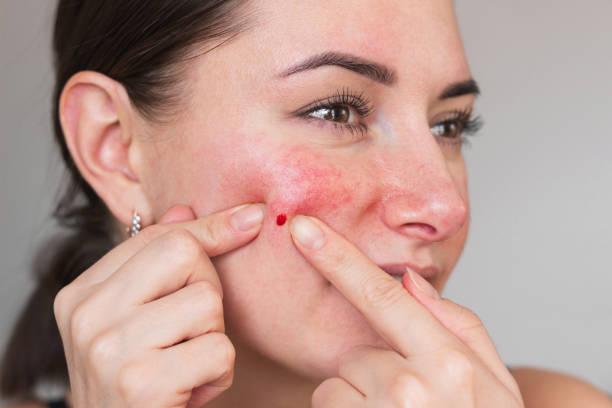
Acne is a common skin condition that can affect people of all ages and skin types. It develops when hair follicles become blocked with excess oil, dead skin cells, and other impurities, sometimes leading to inflammation and breakouts. However, not all acne looks or behaves the same way. Some people experience occasional blackheads and whiteheads, while others develop widespread pimples, painful cysts, and permanent scars. Understanding the difference between acne severity levels can help individuals choose appropriate Acne Treatment in Riyadh and manage their skin concerns more effectively.
Acne is generally classified as mild, moderate, or severe according to the type, number, and extent of lesions, as well as the level of inflammation. Mild acne usually involves a small number of clogged pores, while moderate acne includes more noticeable inflammatory breakouts. Severe acne may involve deep, painful nodules or cysts that can cause lasting skin damage. Professional Acne Treatment in Riyadh can help identify the severity of breakouts and determine a suitable treatment approach based on individual skin needs.
What Is Mild Acne?
Mild acne is generally the least inflammatory form of acne. It usually appears as occasional blackheads, whiteheads, and a limited number of small pimples. These breakouts commonly develop on the forehead, nose, chin, and cheeks.
Common Signs of Mild Acne
-
Small numbers of blackheads and whiteheads.
-
Occasional small red pimples.
-
Limited inflammation.
-
Breakouts that affect relatively small areas.
-
Little or no risk of permanent scarring when managed appropriately.
How Is Mild Acne Treated?
Mild acne can often be managed with a consistent skincare routine and suitable over-the-counter products. Ingredients such as salicylic acid can help clear clogged pores, while benzoyl peroxide may help reduce inflammatory breakouts. Topical retinoids may also be recommended to prevent pore blockage.
Gentle cleansing, non-comedogenic moisturizers, and daily sunscreen can support skin health. If mild acne persists or worsens, a dermatologist can recommend additional treatment.
What Is Moderate Acne?
Moderate acne involves more frequent and noticeable breakouts than mild acne. It may include blackheads, whiteheads, red pimples, and pus-filled lesions across several areas of the face or body.
Common Signs of Moderate Acne
-
Multiple inflamed pimples.
-
More frequent breakouts.
-
A combination of clogged pores and inflammatory lesions.
-
Acne affecting larger areas of the face, chest, or back.
-
Possible dark marks after pimples heal.
How Is Moderate Acne Treated?
Moderate acne may require a combination of topical treatments and professional guidance. A dermatologist may recommend prescription retinoids, benzoyl peroxide, or other medications depending on the type of acne.
In some cases, oral medication may be considered to control inflammation. Treatment selection depends on individual medical needs, and follow-up appointments can help assess progress and adjust the approach if necessary.
What Is Severe Acne?
Severe acne is a more advanced form of the condition that may involve deep, painful, and highly inflamed lesions. It can include nodules and cysts that develop beneath the skin and may affect the face, chest, shoulders, and back.
Common Signs of Severe Acne
-
Deep and painful nodules or cysts.
-
Widespread inflammatory breakouts.
-
Large, swollen, or tender lesions.
-
Recurring breakouts that are difficult to control.
-
Increased risk of permanent acne scars.
How Is Severe Acne Treated?
Severe acne usually requires medical assessment and prescription treatment. A dermatologist may consider oral isotretinoin for suitable patients, particularly when acne is persistent, nodular, or causing scarring. Other prescription medications may also be used depending on the condition.
Some large, painful inflammatory lesions may benefit from dermatologist-administered corticosteroid injections. Severe acne should not be treated by squeezing, picking, or attempting to drain lesions at home, as these actions can worsen inflammation and increase the risk of scarring.
Key Differences Between Mild, Moderate, and Severe Acne
The main differences relate to the number and type of lesions, inflammation, and potential skin damage.
Mild Acne
Mild acne usually consists of a few blackheads, whiteheads, and occasional small pimples. Inflammation is limited, and basic skincare or topical treatments may be sufficient.
Moderate Acne
Moderate acne includes more frequent inflammatory pimples alongside clogged pores. It may affect several areas and often requires a more structured treatment plan.
Severe Acne
Severe acne involves deep nodules, cysts, or widespread inflammation. It has a higher risk of permanent scarring and generally requires professional medical treatment.
What Factors Can Make Acne More Severe?
Several factors can influence acne development and severity.
Hormonal Changes
Hormonal fluctuations can stimulate oil production and contribute to clogged pores. Puberty, menstrual cycles, and certain hormonal conditions may aggravate acne.
Excess Sebum Production
When sebaceous glands produce too much oil, sebum can combine with dead skin cells and block hair follicles, contributing to breakouts.
Genetics
Family history can influence the likelihood of developing persistent or severe acne. Some people may be more prone to inflammation and deeper lesions.
Inflammation
Inflammation plays an important role in the development of red, swollen, and painful acne lesions. Greater inflammation can increase the risk of scarring.
Unsuitable Skincare Products
Heavy or pore-clogging products may contribute to blocked pores. Harsh cleansers and excessive exfoliation can also irritate the skin and make acne management more difficult.
Why Is It Important to Identify Your Acne Severity?
Understanding acne severity helps determine which treatments may be appropriate. Mild acne may respond to topical products, while moderate acne may need prescription medication or a combination of approaches. Severe acne often requires medical supervision to control inflammation and reduce the risk of permanent scars.
Treating acne at an early stage can help prevent worsening breakouts and long-term skin concerns. A dermatologist can evaluate the skin, distinguish acne from similar conditions, and recommend a treatment plan based on individual needs.
When Should You Visit a Dermatologist?
Consider consulting a dermatologist if breakouts are persistent, painful, spreading, or leaving dark marks and scars. Professional assessment is particularly important for deep cystic acne, sudden severe breakouts, or acne that does not improve with regular skincare.
A dermatologist can identify the type and severity of acne and recommend suitable topical treatments, prescription medications, or professional procedures. Avoid changing multiple products at once or using strong medications without medical guidance.
Book Your Acne Consultation at Royal Clinic Saudia
Identifying whether acne is mild, moderate, or severe is an important step toward choosing appropriate care. At Royal Clinic Saudia, individuals can seek a professional skin assessment and guidance on suitable acne care options. A personalized treatment approach can help manage breakouts, address inflammation, and support healthier-looking skin.
FAQs:
Can mild acne become severe?
Yes. Acne can become more persistent or inflammatory over time due to hormonal changes, genetics, and other contributing factors. Early and appropriate treatment may help reduce the risk of worsening breakouts.
Does severe acne always cause permanent scars?
No. However, severe inflammatory acne, particularly deep nodules and cysts, has a higher risk of permanent scarring. Early professional treatment can help reduce this risk.
Which type of acne requires a dermatologist?
Moderate and severe acne often benefit from professional evaluation. You should also consult a dermatologist if mild acne persists, causes discomfort, or leaves marks and scars.
Can all three types of acne be treated?
Yes. Mild, moderate, and severe acne can all be managed with appropriate treatment. The choice of treatment depends on acne severity, skin type, medical history, and individual response.

 English
 Arabic
 French
 Spanish
 Portuguese
 Deutsch
 Turkish
 Italiano
 Russian
 Romaian
 Portuguese (Brazil)
 Greek