
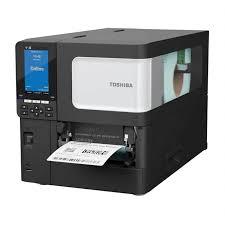
Businesses today need fast, accurate and reliable ways to manage products, sales and inventory. A Barcode Scanning Platform provides a convenient solution by allowing businesses to scan product barcodes, collect information and manage important business activities through digital systems.
From retail stores and supermarkets to warehouses, manufacturing companies and distribution centres, barcode scanning technology helps reduce manual work and improve operational efficiency. It allows employees to identify products quickly, track stock movements and maintain accurate records.
Whether you operate a small shop or a large business, choosing the right barcode scanning platform can help simplify daily operations and support better business management.
What Is a Barcode Scanning Platform?
A barcode scanning platform is a digital system that uses barcode scanners, software and databases to read barcode information and process product data. When a barcode is scanned, the platform identifies the product and retrieves relevant information, such as its name, price, stock quantity, SKU or product code.
Depending on the software, businesses can use the platform for inventory management, billing, order processing, product tracking and reporting.
Barcode scanning platforms may work with handheld scanners, wireless barcode readers, mobile phones, tablets and point-of-sale systems.
How Does a Barcode Scanning Platform Work?
A barcode scanning platform works by reading the unique pattern or information encoded in a barcode.
The process usually involves the following steps:
-
Barcode Generation: Each product receives a unique barcode containing identifying information.
-
Product Registration: Product details are added to the business database.
-
Barcode Scanning: An employee scans the barcode using a compatible scanner or mobile device.
-
Data Processing: The platform reads the barcode and searches for the matching product record.
-
Information Display: Product details appear on the connected computer, POS system or mobile device.
-
Record Updating: Depending on the system, stock levels, sales records or order information are updated automatically.
This process helps businesses access product information without entering details manually.
What Are the Main Features of a Barcode Scanning Platform?
A reliable barcode scanning platform should offer useful features that support everyday business requirements.
1. Product Identification
The platform identifies products through their unique barcode numbers. Employees can quickly retrieve product names, descriptions, prices and other information.
2. Inventory Management
Barcode scanning makes it easier to monitor stock levels and record inventory movements. Businesses can scan products when receiving deliveries, transferring stock or completing sales.
3. Point-of-Sale Integration
Many barcode scanning platforms connect with POS systems. Cashiers can scan products during checkout, retrieve prices and prepare customer bills efficiently.
4. Real-Time Data Updates
Some platforms update inventory and transaction records immediately after scanning. This helps businesses maintain more accurate information across their operations.
5. Reporting and Analytics
Reporting features can help managers review sales activity, stock movement and product performance. These insights support better purchasing and inventory decisions.
6. Multiple Device Support
Depending on the platform, users may scan barcodes through handheld scanners, mobile phones, tablets and desktop-connected devices.
7. User Access Management
Business owners can assign different permissions to employees. This helps control access to sensitive product, pricing and inventory information.
What Are the Benefits of Using a Barcode Scanning Platform?
Barcode scanning technology offers several advantages for businesses.
Improved Accuracy: Scanning reduces errors associated with manually entering product codes and information.
Faster Operations: Employees can identify products quickly, helping speed up billing, receiving and stock-counting activities.
Better Inventory Control: Businesses can record stock movements and monitor product quantities more efficiently.
Reduced Manual Work: Automated data collection reduces repetitive administrative tasks.
Improved Customer Service: Faster product identification and checkout processes can create a smoother customer experience.
Better Business Decisions: Accurate records and reports help managers understand stock requirements and product performance.
Which Industries Use Barcode Scanning Platforms?
Barcode scanning platforms are useful in many industries.
Retail Stores and Supermarkets
Retail businesses use barcode scanning for product identification, checkout, price retrieval and inventory monitoring. Cashiers can scan products instead of entering product codes manually.
Warehouses and Distribution Centres
Warehouses use barcode systems to manage incoming deliveries, storage locations, picking, packing and dispatch activities.
Manufacturing Companies
Manufacturers can use barcode scanning to identify raw materials, track production batches and monitor finished products.
Healthcare Facilities
Hospitals, laboratories and pharmacies may use barcode systems to identify medicines, medical supplies, samples and equipment. Appropriate controls are important where patient safety and confidential information are involved.
E-Commerce Businesses
Online retailers can use barcode scanning to manage product storage, order picking, packing and shipment preparation.
Logistics and Transportation
Logistics companies use barcode technology to identify parcels, record handling activities and monitor shipment movement.
How to Choose the Best Barcode Scanning Platform?
Selecting the right platform depends on your business size, industry and operational requirements.
Consider these factors before purchasing or subscribing to a system.
1. Business Requirements: Identify whether you need barcode scanning for billing, inventory, warehouse management or product tracking.
2. Scanner Compatibility: Make sure the platform supports your existing barcode scanners and devices.
3. Barcode Support: Check whether the system supports the barcode formats your business uses, such as UPC, EAN, Code 128 and QR codes.
4. Software Integration: Look for compatibility with your POS, ERP, accounting and inventory management software.
5. Ease of Use: Choose a platform with a simple interface so employees can learn the system quickly.
6. Data Security: Review user permissions, access controls, backups and data protection features.
7. Reporting Options: Select software that provides useful reports for sales, inventory and product movement.
8. Scalability: Choose a solution that can support additional users, scanners, products and locations as your business grows.
What Is the Difference Between a Barcode Scanner and a Barcode Scanning Platform?
A barcode scanner is a hardware device that reads barcode information. It may be handheld, wireless, fixed-position or integrated into a mobile device.
A barcode scanning platform is the software system that processes the scanned information and connects it with business records.
For example, a retail employee may scan a product using a handheld scanner. The platform then retrieves the product name and price from the database and sends the information to the POS system.
Both components work together to create an effective barcode management solution.
How Can a Barcode Scanning Platform Improve Inventory Management?
Inventory management becomes easier when businesses use barcode scanning technology.
Employees can scan products when receiving new stock, moving items between locations and preparing customer orders. This creates digital records of inventory activities.
Managers can use these records to identify low-stock products, monitor fast-moving items and plan future purchases.
For larger businesses, barcode scanning can also help reduce misplaced products and improve warehouse organisation.
However, businesses should maintain accurate product databases and regularly review inventory records to achieve reliable results.
Why Should Businesses Invest in a Barcode Scanning Platform?
Investing in barcode scanning technology can help businesses improve productivity and maintain organised operations.
Instead of relying on handwritten records and manual product identification, employees can use digital tools to access accurate product information.
A suitable platform can support retail billing, stock management, warehouse operations and product tracking from one connected workflow.
For growing businesses, this technology can also provide a foundation for more advanced inventory and enterprise management systems.
A barcode scanning platform is a valuable tool for businesses that want to improve product identification, inventory management and operational efficiency. It combines barcode scanners, software and databases to make business processes faster and more accurate.
From supermarkets and retail stores to warehouses, healthcare facilities and manufacturing companies, barcode scanning technology supports better product tracking and information management.
Before selecting a platform, compare its features, device compatibility, integration options, reporting capabilities and security arrangements. Choosing the right solution can help your business reduce manual work, improve inventory accuracy and manage daily operations more effectively.
Frequently Asked Questions
1. What is a barcode scanning platform?
A barcode scanning platform is a software-based system that reads barcode information and connects it with product databases, inventory records and business applications.
2. How does barcode scanning software work?
It reads information from a barcode using a compatible scanner or mobile device and retrieves the matching product or transaction record from a connected database.
3. Which businesses need barcode scanning platforms?
Retail stores, supermarkets, warehouses, manufacturers, healthcare facilities, pharmacies and logistics companies can benefit from barcode scanning technology.
4. Can a barcode scanning platform manage inventory?
Yes. Many platforms support stock tracking, product receiving, inventory transfers, stock counting and inventory reporting.
5. Does barcode scanning software work with mobile phones?
Many modern platforms support mobile devices through built-in cameras or compatible external barcode scanners.
6. What types of barcodes can a scanning platform read?
Depending on the scanner and software, platforms can support UPC, EAN, Code 128, Code 39, QR codes and other barcode formats.

 English
 Arabic
 French
 Spanish
 Portuguese
 Deutsch
 Turkish
 Dutch
 Russian
 Romaian
 Portuguese (Brazil)
 Greek