
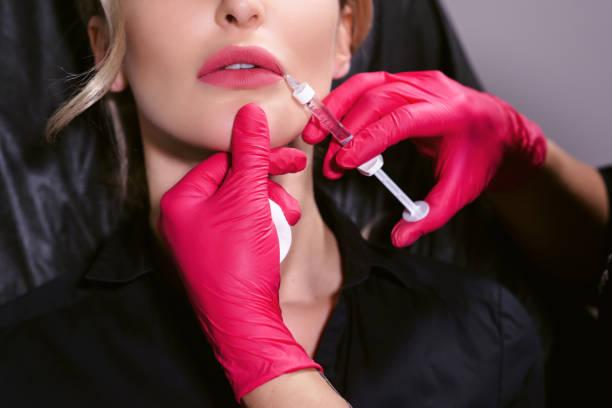
Lip filler injections are a popular non-surgical cosmetic treatment for enhancing lip volume, improving definition, and creating balanced facial proportions. Although the procedure usually involves minimal downtime, proper aftercare is important for supporting recovery and reducing the risk of complications. Certain activities, products, and habits should be avoided immediately after treatment because they may increase swelling, irritation, or bruising. Understanding these precautions can help patients protect their results. With appropriate guidance, Lip Fillers Injections in Riyadh can be part of a carefully planned treatment approach that prioritises natural-looking enhancement and patient safety.
After receiving lip fillers, the lips may temporarily become swollen, tender, red, or bruised. These reactions are generally part of the normal healing process, but unnecessary pressure and irritation can make discomfort worse. Patients should follow the specific instructions provided by their treating practitioner because recommendations may vary according to the filler product, injection technique, and individual needs. Anyone choosing Lip Fillers Injections in Riyadh should understand the importance of avoiding certain activities during the initial recovery period.
Why Is Aftercare Important After Lip Filler Injections?
Aftercare helps protect the treated area while the lips recover from the injection process. The lips contain many blood vessels and sensitive tissues, which is why swelling and bruising can occur after treatment.
Following professional instructions may help reduce unnecessary irritation, support comfortable healing, and make it easier to assess the final appearance once swelling settles. Poor aftercare does not automatically cause complications, but avoidable pressure, contamination, or excessive heat may increase certain risks.
What Should You Avoid After Getting Lip Fillers?
There are several activities and habits that patients should limit or avoid after treatment.
1. Avoid Touching or Pressing Your Lips Unnecessarily
The lips may feel swollen or uneven immediately after injections. Repeatedly touching, squeezing, or pressing them can cause additional irritation.
Avoid trying to reshape the lips with your fingers. Do not massage the treated area unless your practitioner specifically recommends it.
2. Avoid Strenuous Exercise Immediately After Treatment
Intense physical activity can increase blood circulation and may make swelling or bruising more noticeable in some individuals. It is generally advisable to postpone strenuous exercise for at least the first 24 hours, or for the period recommended by your practitioner.
Gentle daily movement is usually different from intense workouts, but individual instructions should take priority.
3. Avoid Excessive Heat Exposure
High temperatures may increase temporary swelling and discomfort. During the initial recovery period, avoid activities such as saunas, steam rooms, hot yoga, and prolonged exposure to intense heat if advised by your practitioner.
Allowing the lips to recover without unnecessary heat exposure can help make the healing period more comfortable.
4. Avoid Alcohol for the Recommended Period
Alcohol may contribute to bruising in some people because of its effects on blood vessels and clotting. Many practitioners recommend avoiding alcoholic drinks for at least 24 hours after treatment, although individual guidance may differ.
Following this precaution may help reduce avoidable bruising during the early recovery stage.
5. Avoid Smoking and Nicotine Products
Smoking can affect circulation and may interfere with normal tissue healing. Nicotine exposure can also affect blood vessels. It is advisable to avoid smoking and nicotine products during the initial recovery period and follow your practitioner's guidance about when they can be resumed.
6. Avoid Applying Makeup Too Soon
Applying makeup directly over fresh injection sites may irritate the skin or introduce bacteria. Avoid applying lip products or makeup to the treated area until your practitioner confirms it is appropriate.
Use clean products and applicators when you resume your usual makeup routine.
7. Avoid Excessive Sun Exposure
Strong sunlight and heat may increase discomfort or irritation during the early recovery period. Avoid prolonged direct sun exposure and follow professional advice about when to resume using products around the lips.
8. Avoid Dental Procedures Immediately After Treatment
Dental appointments can involve stretching the mouth, pressure around the lips, and contact with bacteria. If possible, discuss upcoming dental work with your practitioner before receiving fillers. Elective dental procedures may need to be postponed for a period recommended by the treating professional.
Urgent dental treatment should not be delayed; inform the dental professional about your recent filler treatment.
9. Avoid Blood-Thinning Medicines Unless Medically Necessary
Certain medicines and supplements can increase bruising. However, patients should never stop prescribed medication without consulting the healthcare professional who prescribed it. Discuss all medicines and supplements with your practitioner before and after treatment.
10. Avoid Sleeping With Pressure on Your Lips
Pressure against the treated area may cause discomfort during the early recovery period. If possible, sleep on your back with your head slightly elevated, especially during the first night, to help minimise pressure and swelling.
What Foods and Drinks Should You Avoid After Lip Fillers?
There is no universal list of foods that every patient must avoid after lip filler treatment. However, some choices may make the lips uncomfortable while they are tender.
Very Hot Foods and Drinks
Hot beverages and meals may increase discomfort when the lips are sensitive. Allow food and drinks to cool to a comfortable temperature before consuming them.
Spicy Foods
Spicy foods can irritate sensitive lips and may cause temporary burning or discomfort. Consider avoiding them until the tenderness improves.
Very Salty Foods
Excessively salty foods may contribute to temporary fluid retention in some individuals. Maintaining a balanced diet and normal hydration is a sensible approach during recovery.
Foods That Require Excessive Lip Movement
Large or hard-to-bite foods may cause discomfort when opening the mouth widely. Choose foods that are easy to eat until the lips feel more comfortable.
What Should You Do Instead to Support Recovery?
Following simple aftercare measures can help make recovery more comfortable:
-
Use a cool compress: Apply a clean, cool compress gently if recommended. Never place ice directly on the lips.
-
Stay hydrated: Drink enough water and maintain normal hydration.
-
Keep the area clean: Follow the practitioner's hygiene instructions and avoid irritating fresh injection sites.
-
Choose comfortable foods: Eat foods that do not require excessive stretching or pressure on the lips.
-
Follow medication advice: Use only medicines approved or recommended by your healthcare professional.
-
Attend follow-up appointments: Allow your practitioner to assess healing and address any concerns.
These steps support recovery but cannot guarantee that side effects will be completely avoided.
How Long Should You Follow Lip Filler Aftercare Precautions?
The most important precautions generally apply during the first 24 to 48 hours, when swelling, tenderness, and bruising may be more noticeable. Some restrictions may need to continue for several days, depending on the treatment and individual recovery.
Many patients find that their lips look more settled within approximately two weeks. However, the timeline varies, and patients should follow the instructions provided by their practitioner rather than relying on a fixed schedule.
What Symptoms Should You Never Ignore After Lip Fillers?
Mild swelling, bruising, redness, and tenderness are common after injections. However, severe or increasing pain, unusual skin colour changes, blistering, or signs of infection require urgent medical assessment.
A rare but serious complication is vascular occlusion, which occurs when filler blocks or interferes with blood flow. Warning signs can include pale, white, grey, blue, or mottled skin and severe pain. Any sudden vision change after filler treatment is a medical emergency and requires immediate emergency care.
Patients should contact their treating practitioner promptly if they notice unusual or worsening symptoms. They should not attempt to massage or treat a suspected complication themselves.
Book a Lip Filler Consultation at Royal Clinic Saudia
Proper aftercare is an important part of achieving a comfortable recovery after lip enhancement. At Royal Clinic Saudia, a professional consultation can help patients understand the treatment process, possible side effects, and recommended recovery precautions. A personalised assessment also helps determine whether lip fillers are suitable for individual aesthetic goals while keeping safety and realistic expectations in focus.
FAQs:
1. Can I drink coffee after getting lip fillers?
You can generally drink coffee, but very hot beverages may cause discomfort while the lips are sensitive. Allow hot drinks to cool before consuming them.
2. Can I kiss after lip filler injections?
It is generally advisable to avoid kissing and unnecessary pressure on the lips during the initial recovery period, often for at least 24 to 48 hours or as directed by your practitioner.
3. Can I exercise the day after getting lip fillers?
Strenuous exercise is commonly postponed for at least 24 hours because it may increase swelling or bruising. Follow your practitioner's specific recommendations before returning to intense activity.
4. When can I wear lipstick after lip fillers?
Wait until your practitioner confirms that it is appropriate to apply lip products, particularly while injection sites are fresh. Use clean products and applicators when you resume wearing lipstick.

 English
 Arabic
 French
 Spanish
 Portuguese
 Deutsch
 Turkish
 Dutch
 Italiano
 Russian
 Portuguese (Brazil)
 Greek