
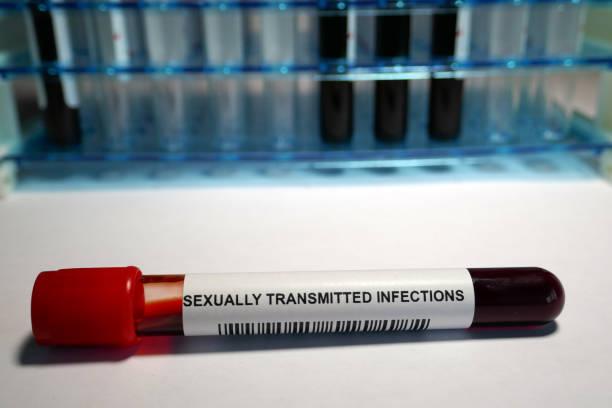
Not experiencing discomfort does not necessarily mean that a person is free from a sexually transmitted infection. Many STIs can remain asymptomatic, sometimes for months, while still affecting health or being transmitted to sexual partners. An STD Test in Dubai can help identify selected infections that may otherwise go unnoticed and allow patients to seek appropriate medical advice.
Asymptomatic screening is not about assuming that every person has an infection. It is a preventive healthcare measure guided by sexual history, possible exposure, age, pregnancy considerations and individual risk factors. Understanding why some infections remain silent can help people make more informed decisions about testing.
Why Some STIs Cause No Noticeable Symptoms
The body's response to an infection varies. Some organisms cause immediate inflammation or irritation, while others can persist without producing obvious signs.
Symptoms may also be mild enough to overlook. A person might attribute occasional urinary discomfort, discharge or irritation to another cause without realising that an infection could be involved.
Several factors contribute to asymptomatic infections:
-
The organism may initially cause limited inflammation.
-
Infection may affect a body site that produces few noticeable symptoms.
-
Symptoms may be intermittent rather than persistent.
-
The immune response may limit visible signs without eliminating the infection.
-
A person may not recognise subtle changes as medically relevant.
The absence of symptoms is therefore not a reliable way to determine infection status.
Which Infections Can Remain Asymptomatic?
Several sexually transmitted infections can occur without obvious symptoms. Their presentation varies according to the organism, anatomical site and individual health factors.
Chlamydia
Chlamydia frequently causes no noticeable symptoms, particularly in women. When symptoms do occur, they may include unusual discharge, pain during urination, pelvic discomfort or bleeding between periods.
Untreated infection can sometimes lead to complications involving the reproductive system. Testing is important when screening is recommended or a possible exposure has occurred.
Gonorrhoea
Gonorrhoea can affect the genital tract, throat and rectum. Some people have no symptoms, while others experience discharge, discomfort during urination or rectal irritation.
Throat and rectal infections may be especially easy to overlook. Testing should reflect the sites potentially exposed rather than relying on a urine sample alone.
HIV
Some people experience flu-like symptoms during early HIV infection, while others have no recognisable symptoms. These signs are not specific enough to diagnose HIV.
Testing is the only reliable way to determine HIV status. The appropriate test and timing depend on the possible exposure and the diagnostic method.
Syphilis
Syphilis can progress through stages. An early sore may be painless and located somewhere difficult to notice. Later symptoms may disappear even though infection remains.
This is one reason a person should not assume that the absence of visible sores means there is no infection.
Hepatitis B
Hepatitis B can occur without obvious symptoms, particularly during certain stages of infection. Blood testing can identify relevant infection markers, and vaccination status is an important part of prevention.
Why an STD Test in Dubai Can Be Useful Without Symptoms
Screening can identify selected infections before a person develops noticeable health problems. It can also help reduce the possibility of unknowingly transmitting an infection.
A clinician may recommend testing for several reasons:
-
A recent or previous sexual exposure may carry a risk.
-
A partner has been diagnosed with an STI.
-
A person has a new partner or multiple partners.
-
Routine screening is appropriate based on individual risk.
-
Pregnancy or fertility planning makes certain infections relevant.
-
A previous STI requires follow-up or repeat screening.
The decision should be individualised. Not every person needs every available test at the same frequency.
How Silent Infections Can Affect Reproductive Health
Some untreated bacterial STIs can cause complications even when symptoms are mild or absent.
In women, untreated chlamydia or gonorrhoea may contribute to pelvic inflammatory disease. This condition involves infection and inflammation of the upper reproductive tract and can sometimes affect fertility.
In men, certain untreated infections may cause complications involving the reproductive or urinary system. Symptoms can vary, and some infections remain undetected without testing.
Early assessment does not guarantee that complications can always be prevented, but it can help identify infections that require treatment.
Screening Different Anatomical Sites
A common misunderstanding is that one negative urine test excludes all STIs. This is not necessarily correct.
The correct sample depends on the type of exposure and the infection being investigated.
Genital Screening
Urine samples or genital swabs may be used to investigate selected bacterial infections. The clinician determines which method is appropriate.
Throat Screening
Oral sexual contact can expose the throat to certain infections, including gonorrhoea. A throat swab may be recommended when indicated.
Rectal Screening
Rectal exposure can require a rectal swab. A genital or urine sample may not detect an infection located only in the rectum.
Blood-Based Screening
Blood tests are used for infections such as HIV, syphilis and hepatitis. These tests are different from urine and swab investigations.
How Often Should People Without Symptoms Be Tested?
There is no universal screening schedule for everyone. Recommended frequency depends on age, sexual activity, partner history, previous infections and specific exposure risks.
A healthcare professional may recommend:
-
Screening after a relevant potential exposure.
-
Regular testing for people with ongoing risk factors.
-
Testing when a partner receives an STI diagnosis.
-
Pregnancy-related screening according to clinical guidance.
-
Repeat testing after treatment when recommended.
A negative result from an earlier test does not guarantee that a person will remain infection-free. New exposures may create a need for another assessment.
What Happens if an Asymptomatic Infection Is Detected?
The next step depends on the organism and test result. Some infections can be treated with appropriate medication, while others require longer-term monitoring or additional assessment.
A healthcare professional may discuss:
-
Whether the result requires confirmation or additional testing.
-
The recommended treatment or management approach.
-
Whether sexual partners should be informed and assessed.
-
How long to avoid sexual contact, if applicable.
-
Whether follow-up testing is needed.
-
How to reduce the risk of future infection.
Patients should not take antibiotics without a diagnosis and prescription. Unnecessary treatment can cause side effects and contribute to antimicrobial resistance.
Clinic Note: Screening people without symptoms should be based on individual risk and appropriate clinical recommendations. A positive result does not always mean that an infection is causing current symptoms, and some organisms require careful interpretation before treatment is considered.
Frequently Asked Questions
Can I have an STI without knowing it?
Yes. Several sexually transmitted infections can remain asymptomatic. A person may have an infection without visible sores, discharge or discomfort.
Should I get tested if I feel completely healthy?
Testing may be appropriate depending on your exposure history, partner status and individual risk factors. A clinician can help determine which tests are relevant.
Can asymptomatic infections affect fertility?
Certain untreated infections, particularly chlamydia and gonorrhoea, can contribute to reproductive complications. Early detection and appropriate treatment are important.
Does a routine health check include STI screening?
Not necessarily. STI tests must be specifically selected and may not form part of a general health assessment.
Can one urine test detect every silent infection?
No. Some infections require blood tests or swabs from specific anatomical sites. The sample should match the suspected infection and exposure.
How often should I repeat an STD test?
The recommended frequency depends on individual risk, previous results and possible new exposures. There is no single schedule suitable for everyone.
Make Preventive Screening Part of Sexual Health Care
Asymptomatic infections demonstrate why sexual health decisions should not depend entirely on physical symptoms. Appropriate screening can identify selected infections, support timely treatment and help patients understand their health status.
If you are considering an STD Test in Dubai, Tajmeels Clinic encourages a confidential, medically guided discussion about your screening needs. A qualified healthcare professional can help determine which tests are appropriate and explain any follow-up required.

 English
 Arabic
 Spanish
 Portuguese
 Deutsch
 Turkish
 Dutch
 Italiano
 Russian
 Romaian
 Portuguese (Brazil)
 Greek