
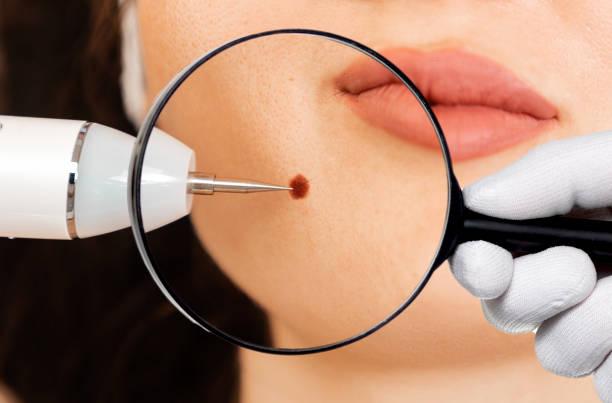
Warts are small, non-cancerous skin growths caused by certain strains of the human papillomavirus (HPV). They can develop on the hands, feet, face, and other parts of the body. Although many warts are harmless, they may cause discomfort, spread to nearby skin, or affect a person's confidence. When ordinary treatments do not provide the desired results, a dermatologist may consider laser treatment as another option. Wart removal in Riyadh (إزالة الثآليل في الرياض) may include laser procedures for selected persistent or difficult-to-treat warts, depending on their size, type, and location.
Laser treatment uses focused energy to target wart tissue or the small blood vessels that supply it. Depending on the laser technique, this can damage the affected tissue and allow the body to gradually heal the treated area. The procedure is not suitable for every wart, so a professional skin assessment is important before choosing this approach. Wart removal in Riyadh should be planned according to the patient's skin condition, medical history, and treatment requirements.
What Is Laser Wart Removal?
Laser wart removal is a dermatological procedure that uses concentrated light energy to treat unwanted wart tissue. Different laser systems work in different ways. Some target water within skin cells to remove affected tissue, while others target blood vessels that supply the wart.
The dermatologist selects the appropriate technique based on the wart's appearance, thickness, location, and previous response to treatment. Laser treatment may be considered when a wart is persistent or has not responded adequately to other methods.
How Does Laser Treatment Help Remove Warts?
Laser treatment works by targeting the tissue affected by the wart. The exact process depends on the type of laser used.
1. Targets the Affected Wart Tissue
Certain lasers deliver energy that heats and removes the wart tissue. This helps eliminate the visible growth while allowing the treated area to heal.
2. Targets Blood Vessels Supplying the Wart
Some laser techniques target small blood vessels within the wart. Damaging these vessels can reduce the blood supply to the affected tissue, helping the wart break down over time.
3. Supports the Removal of Persistent Warts
Some warts are difficult to treat because they are thick, deep, or have returned after previous procedures. Laser treatment may be considered in selected cases when more commonly used options have not worked.
4. Allows the Skin to Heal
After treatment, the affected area gradually heals. Depending on the procedure, patients may notice redness, swelling, tenderness, crusting, or a small wound. Proper aftercare helps protect the skin during recovery.
What Happens During a Laser Wart Removal Procedure?
Understanding the procedure can help patients feel more prepared for their dermatology appointment. The exact steps may vary according to the laser technique and the wart's location.
Step 1: Skin Assessment
The dermatologist examines the growth to confirm whether it is a wart and determines whether laser treatment is appropriate. Some unusual or uncertain growths may require further evaluation.
Step 2: Preparing the Treatment Area
The skin is cleaned before the procedure. Protective eyewear is used when required to protect the eyes from laser exposure. Local anaesthesia may be offered depending on the treatment area and expected discomfort.
Step 3: Applying Laser Energy
The dermatologist directs the laser at the wart using controlled settings. The energy targets the selected tissue or blood vessels, depending on the laser type.
Step 4: Aftercare Instructions
Once treatment is complete, the dermatologist provides instructions for caring for the treated skin. A dressing may be recommended if the area needs protection.
Is Laser Wart Removal Painful?
The level of discomfort varies from person to person and depends on the laser used, the size of the wart, and its location. Some patients experience warmth, stinging, or a brief burning sensation during treatment.
Local anaesthesia may be used when appropriate to improve comfort. After the procedure, mild tenderness, redness, or swelling may occur. Patients should discuss pain management and any concerns with their dermatologist before treatment.
How Long Does It Take to Heal After Laser Wart Removal?
Recovery depends on the depth of treatment, the size of the wart, and the area being treated. Mild redness or tenderness may settle within a few days, while crusting or a small wound can take longer to heal.
Warts on the soles of the feet may require additional care because walking creates pressure and friction. Patients should avoid picking at the treated area, keep it clean according to medical instructions, and attend follow-up appointments when recommended.
What Are the Benefits of Laser Wart Removal?
Laser treatment may offer several advantages for carefully selected patients:
-
Targeted treatment: Laser energy can be directed toward the affected wart tissue.
-
Option for persistent warts: It may be considered when other treatments have not been successful.
-
Controlled procedure: A trained dermatologist can adjust the treatment according to the wart's characteristics.
-
Treatment flexibility: Different laser techniques may be considered for different types of warts.
However, laser treatment also has possible disadvantages, including discomfort, changes in skin colour, scarring, and wound healing. It does not guarantee permanent removal, and warts may return.
Who May Be Suitable for Laser Wart Removal?
Laser treatment may be considered for people with persistent warts, recurring growths, or warts that have not responded to other recommended treatments. Suitability depends on the affected area, skin type, medical history, and the dermatologist's assessment.
It may not be the first choice for every patient. Some common warts respond well to simpler options, such as salicylic acid or cryotherapy. A dermatologist can compare the available approaches and explain their possible benefits and risks.
How Can You Care for Your Skin After Laser Treatment?
Following aftercare instructions is important for supporting recovery and reducing complications.
Keep the Area Clean
Clean the treated area as advised by your dermatologist. Use recommended dressings or ointments if instructed.
Avoid Picking or Scratching
Do not remove crusts or scabs yourself. Picking at healing skin can increase the risk of infection and scarring.
Protect the Treated Skin
Avoid unnecessary friction and pressure, especially if the wart was on the foot. Follow medical advice about exercise and other activities.
Watch for Signs of Infection
Contact your healthcare provider if you notice worsening pain, spreading redness, increasing warmth, pus, or fever.
Book a Laser Wart Removal Consultation at Royal Clinic Saudia
If you have a persistent wart or want to understand whether laser treatment is suitable, a professional dermatology assessment can help you explore the available options. At Royal Clinic Saudia (عيادات رويال كلينك), you can arrange a consultation to discuss your skin concern, learn about appropriate treatment approaches, and receive guidance on recovery and aftercare. A dermatologist can help you make an informed decision based on your individual needs.
FAQs:
1. Can laser treatment completely remove warts?
Laser treatment can remove or destroy visible wart tissue, but it cannot guarantee that HPV will be completely eliminated. Warts may return if the virus remains in nearby skin.
2. How many laser sessions are needed to remove a wart?
The number of sessions depends on the wart's size, depth, location, and response to treatment. Some cases may need more than one session, as determined by the dermatologist.
3. Does laser wart removal leave a scar?
Scarring is possible, particularly if treatment affects deeper layers of skin. The risk depends on the procedure, treatment area, and individual healing response.
4. Is laser treatment suitable for all types of warts?
No. Laser treatment is considered for selected cases. A dermatologist should assess the wart and recommend the most appropriate treatment based on its type and location.

 English
 French
 Spanish
 Portuguese
 Deutsch
 Turkish
 Dutch
 Italiano
 Russian
 Romaian
 Portuguese (Brazil)
 Greek