
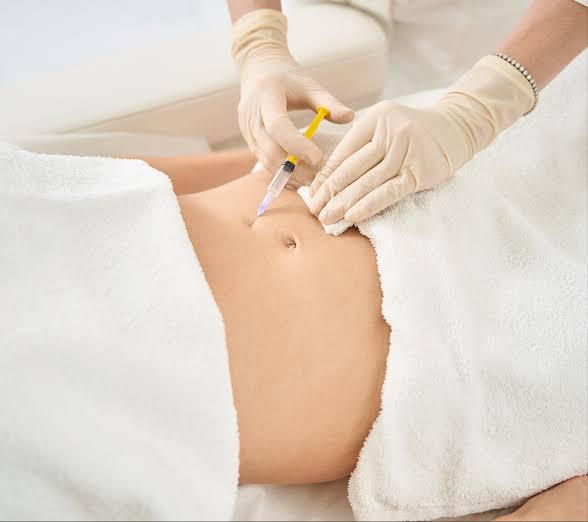
Many people struggle with stubborn pockets of fat that remain despite regular exercise and a balanced diet. Areas such as the chin, abdomen, thighs, and upper arms can sometimes be difficult to tone through traditional weight-management methods. While surgical procedures have traditionally been used to address these concerns, non-surgical cosmetic treatments have become increasingly popular among individuals seeking body contouring without an operation. One option attracting considerable attention is Fat Melting Injections, a non-surgical treatment designed to target specific areas of unwanted fat.
But are fat melting injections genuinely a good alternative to surgery? The answer depends on several factors, including the treatment area, the amount of fat present, individual expectations, and overall suitability. Although these injections can help improve body contours without surgical incisions, they are not suitable for everyone and cannot replace every benefit of surgical fat removal. Understanding how the treatment works, its advantages, limitations, and expected results can help individuals make informed decisions.
1. What Are Fat Melting Injections and How Do They Work?
Fat melting injections are non-surgical cosmetic treatments designed to reduce small, localised fat deposits in selected areas of the body. They generally involve injecting a fat-dissolving substance into the targeted tissue to help break down fat cells.
Depending on the formulation, these treatments may contain ingredients such as deoxycholic acid or other compounds intended to disrupt fat cells. Once the targeted cells are broken down, the body's natural processes gradually remove the cellular debris.
Unlike surgical fat removal, which physically extracts fat through a procedure, fat-dissolving injections rely on the body's natural metabolic and clearance processes.
Common treatment areas may include:
-
Double chin: Helps reduce stubborn fat beneath the chin and improve jawline definition.
-
Abdomen: Targets small, localised pockets of abdominal fat.
-
Thighs: May help improve the appearance of selected areas of excess fat.
-
Upper arms: Can address certain small fat deposits around the arms.
-
Flanks: Targets stubborn fat around the waist and sides.
-
Bra and back areas: May help improve the appearance of localised fat deposits in suitable candidates.
Not every injectable formulation is approved or appropriate for every body area. Treatment selection should therefore depend on the specific product, its authorised uses, and a qualified practitioner's assessment.
2. Fat Melting Injections vs Surgery: What Is the Difference?
When comparing fat melting injections with surgical procedures, the biggest difference is how fat is removed and the level of intervention involved.
Surgical fat removal, such as liposuction, involves making small incisions and inserting a cannula to physically remove unwanted fat. It can address larger fat deposits and offer more noticeable body contouring changes in suitable candidates.
Fat melting injections, on the other hand, are minimally invasive. They involve a series of injections into selected areas without requiring surgical incisions or general anaesthesia in most cases.
Here are some important differences:
Treatment approach: Surgical procedures physically remove fat, whereas injectable treatments aim to destroy targeted fat cells so the body can gradually clear them.
Invasiveness: Liposuction is a surgical procedure involving incisions, while fat melting injections use needles to deliver the treatment.
Recovery: Surgical fat removal generally involves a more significant recovery period, with swelling, bruising, activity restrictions, and sometimes compression garments. Injectable treatments usually involve less downtime, although swelling, tenderness, and bruising can still occur.
Results: Surgery may produce more substantial changes in larger treatment areas. Injections are generally better suited to smaller, localised fat deposits.
Treatment sessions: Liposuction may achieve substantial fat removal in one procedure, whereas fat-dissolving injections often require multiple sessions.
Suitability: Surgery may be appropriate for people with larger areas of unwanted fat, while injections may suit individuals seeking modest improvements in specific areas.
Neither approach is universally better. The right choice depends on the individual's anatomy, cosmetic goals, health, and expectations.
3. What Are the Main Benefits of Fat Melting Injections?
One reason fat melting injections have become popular is that they offer a less invasive approach to addressing stubborn fat. For individuals who are not interested in surgery, this treatment may provide an alternative worth discussing with a qualified professional.
Some potential benefits include:
Non-surgical approach
One of the main attractions is that the procedure does not involve surgical incisions or the physical removal of fat through a cannula. This may appeal to people who prefer minimally invasive cosmetic treatments.
Targeted fat reduction
The treatment focuses on specific areas rather than producing general weight loss. It may be useful for individuals who maintain a relatively stable weight but have small pockets of stubborn fat.
Minimal downtime compared with surgery
Many people can return to their usual daily activities relatively quickly, depending on the treatment area and their individual response. However, temporary swelling, tenderness, and bruising may affect normal activities.
Gradual improvements
Results usually develop over several weeks as the body processes the treated fat cells. This gradual change may appeal to people who prefer a less immediate transformation.
No surgical scars
Because the procedure uses injections rather than surgical incisions, it does not generally leave the types of scars associated with surgery. Small injection marks may occur temporarily.
Potentially more accessible treatment process
For suitable candidates, injectable fat reduction may involve a simpler treatment process than surgery. However, the total cost and number of sessions depend on the treatment area and individual requirements.
It is important to remember that these benefits do not mean the procedure is risk-free. A proper assessment is essential before treatment.
4. How Effective Are Fat Melting Injections Compared with Surgery?
Effectiveness is one of the most important considerations when deciding between injectable fat reduction and surgery.
Fat melting injections can be effective for reducing certain small, localised fat deposits. However, their results are generally more limited than those achieved through surgical fat removal.
For example, someone concerned about a small double chin may be a suitable candidate for an approved fat-dissolving injectable treatment. The procedure may help reduce fullness beneath the chin and create a more defined appearance.
However, someone with significant abdominal fat may not achieve the same level of improvement through injections. In such cases, surgical options or broader weight-management approaches may be more appropriate.
Several factors influence treatment effectiveness:
-
Amount of existing fat: Smaller fat deposits are generally more suitable for injectable treatments.
-
Treatment area: Different body areas respond differently, and not all injectable products are approved for every location.
-
Individual metabolism: The body's natural processes influence how quickly treated cellular material is cleared.
-
Skin elasticity: Good skin elasticity may contribute to a more satisfactory contour after fat reduction.
-
Number of sessions: Some individuals require multiple treatments to achieve their desired improvement.
-
Lifestyle habits: Maintaining a stable weight and healthy lifestyle helps preserve overall body contours.
Fat reduction does not automatically mean tighter skin. Individuals with significant loose skin may not achieve their desired appearance through fat-dissolving injections alone.
It is also worth noting that these injections are not weight-loss treatments. They are intended for targeted cosmetic fat reduction rather than treating obesity or replacing healthy lifestyle habits.
5. Are Fat Melting Injections Safe? Understanding the Possible Side Effects
Safety is another important factor when considering fat melting injections as an alternative to surgery.
When an appropriate product is used for an authorised indication by a suitably qualified practitioner, the treatment may be a reasonable option for selected individuals. However, like other injectable cosmetic procedures, it carries potential risks.
Common temporary side effects may include:
-
Swelling around the injection site.
-
Bruising and redness.
-
Tenderness or discomfort.
-
Temporary numbness.
-
Firmness or small lumps in the treated area.
-
Itching or local irritation.
These effects may improve gradually as the treated area heals.
Less common but more serious complications can also occur. Depending on the product and injection location, these may include infection, skin injury, tissue damage, nerve injury, or difficulty swallowing when certain products are used around the chin.
For this reason, treatment should never be performed casually or by an unqualified individual.
Before proceeding, individuals should discuss their medical history, allergies, medications, previous cosmetic treatments, and any existing health concerns with a qualified healthcare professional.
A proper consultation should also establish whether the product is authorised for the intended treatment area and explain the expected results, possible complications, and available alternatives.
6. Who Is a Good Candidate for Fat Melting Injections?
Not everyone who wants to reduce body fat is an ideal candidate for injectable fat reduction.
The treatment is generally intended for adults who have small, localised fat deposits and are already close to their preferred body weight.
Potentially suitable candidates may include individuals who:
-
Have stubborn fat deposits that do not respond easily to diet and exercise.
-
Prefer a non-surgical approach to targeted fat reduction.
-
Have realistic expectations about the level of improvement.
-
Maintain a relatively stable body weight.
-
Have sufficient skin elasticity for satisfactory contouring.
-
Understand that multiple sessions may be necessary.
However, individuals with significant obesity, extensive fat deposits, substantial loose skin, or certain underlying medical conditions may require alternative treatment approaches.
Pregnant or breastfeeding individuals should discuss treatment restrictions with a healthcare professional. Anyone with an infection in the intended treatment area or a relevant medical condition should receive an appropriate assessment before considering the procedure.
A consultation helps determine whether injectable treatment, surgery, or a non-cosmetic approach would be the most appropriate option.
7. How Long Do Results Last and What Should Individuals Expect?
One of the appealing aspects of fat melting injections is that the treatment is designed to destroy targeted fat cells rather than simply shrink them.
Once fat cells are successfully destroyed and cleared by the body, they do not regenerate in the same way. However, the remaining fat cells can still increase in size if an individual gains weight.
This means that results may be long-lasting, provided the person maintains a relatively stable weight.
The treatment process generally involves several stages:
Initial consultation: The practitioner assesses the treatment area, reviews medical history, and discusses realistic outcomes.
Treatment session: The selected product is injected into the targeted area using an appropriate technique.
Recovery period: Swelling, tenderness, and bruising may occur as the body responds to treatment.
Gradual changes: The body processes the treated fat cells over the following weeks.
Follow-up assessment: The practitioner evaluates the results and determines whether further sessions are appropriate.
Results are not usually immediate. Some people may require several weeks or multiple sessions before noticing a meaningful difference.
Maintaining a balanced diet, regular physical activity, and a stable weight can help support longer-term body contouring results.
Frequently Asked Questions About Fat Melting Injections
1. Are fat melting injections better than liposuction?
Neither treatment is automatically better. Fat melting injections may be suitable for small, localised fat deposits and individuals who prefer a non-surgical approach. Liposuction is generally more effective for removing larger amounts of fat and achieving more substantial contouring changes. The appropriate choice depends on individual goals and suitability.
2. How many sessions of fat melting injections are required?
The number of sessions varies depending on the treatment area, the amount of fat, the product used, and the individual's response. Some people may need multiple sessions to achieve their desired results. A personalised treatment plan can help establish realistic expectations.
3. Are fat melting injections painful?
Some discomfort may occur during the injection process. Individuals may experience stinging, tenderness, or a temporary burning sensation. The level of discomfort depends on the treatment area, product formulation, and individual sensitivity.
4. Can fat melting injections permanently remove fat?
The treatment is designed to destroy targeted fat cells, and successfully destroyed cells do not typically return. However, remaining fat cells can enlarge with weight gain. Maintaining a stable weight is important for preserving the results.
5. How long does it take to see results from fat melting injections?
Results develop gradually rather than appearing immediately. Some individuals may notice changes over several weeks, while others require additional sessions and more time to achieve visible improvements. The timeline depends on the treatment area and individual response.
6. Can fat melting injections help with overall weight loss?
No. Fat melting injections are not designed for general weight loss or obesity treatment. They target specific pockets of fat to improve body contours. A balanced diet, regular exercise, and appropriate medical guidance remain important for overall weight management.
Final Thoughts
Fat melting injections can be a worthwhile alternative to surgery for individuals who want to address small, stubborn fat deposits without undergoing an invasive procedure. Their minimally invasive nature, targeted approach, and generally shorter recovery period make them an appealing option for selected candidates.
However, they are not a complete replacement for liposuction or other surgical procedures. People with larger fat deposits or significant loose skin may require different treatment options to achieve their desired results.
The most important step is to understand the benefits and limitations of each approach before making a decision. A professional consultation, realistic expectations, and an appropriately selected treatment plan can help individuals choose a safe and suitable path towards their cosmetic goals.
Read More About Fat Melting Injections: https://bout-ye.com/blogs/15773/Fat-Melting-Injections-How-to-Choose-a-Qualified-Provider

 English
 French
 Spanish
 Portuguese
 Deutsch
 Turkish
 Dutch
 Italiano
 Russian
 Romaian
 Portuguese (Brazil)
 Greek