
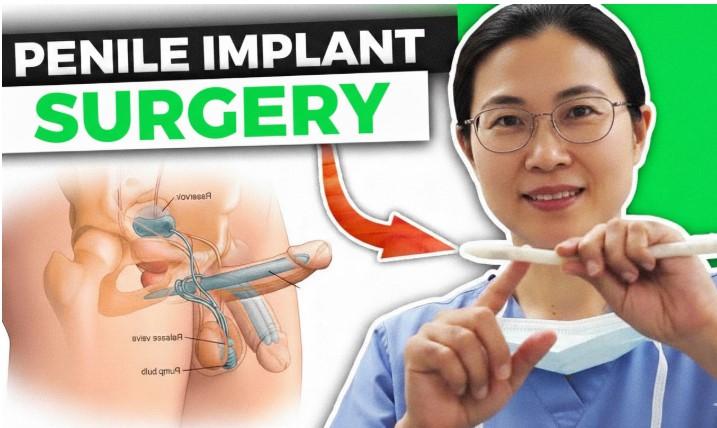
Penile implant surgery, also known as penile prosthesis surgery, is an advanced medical treatment for men experiencing erectile dysfunction (ED). It is designed for individuals who have difficulty achieving or maintaining an erection firm enough for satisfactory sexual activity, particularly when other treatment options have not provided satisfactory results.
Erectile dysfunction can affect men of different ages and may develop due to diabetes, cardiovascular disease, nerve damage, hormonal imbalances, prostate surgery, pelvic injuries, or other medical conditions. Although medications, injections, vacuum erection devices, and lifestyle modifications can help many men, some individuals require a more permanent treatment approach.
A penile implant offers a surgical solution by placing a medical device inside the penis. The implant allows a man to achieve an erection suitable for sexual intercourse. Unlike medications, which work by improving the body's natural erectile response, a penile implant mechanically produces penile rigidity.
Penile implant surgery has helped many men regain confidence, improve their sexual relationships, and overcome the physical limitations associated with severe erectile dysfunction.
This comprehensive guide explains everything about penile implants, including their types, eligibility, surgical procedure, benefits, potential complications, recovery, expected results, and frequently asked questions.
What Is a Penile Implant?
A penile implant is a medical device surgically placed inside the penis to help men with erectile dysfunction achieve an erection. It is also called a penile prosthesis.
The implant is positioned within the two erectile chambers of the penis, known as the corpora cavernosa. These chambers normally fill with blood during a natural erection. When erectile dysfunction prevents sufficient blood flow or the normal erectile mechanism does not function properly, an implant can provide the necessary rigidity.
The device remains completely inside the body and is not generally visible from the outside.
Depending on the selected implant, the patient can manually activate the device to achieve an erection when desired. Some implants remain firm all the time, while others can be inflated and deflated.
Penile implants are primarily recommended for men with persistent erectile dysfunction who have not achieved satisfactory results with less invasive treatments.
It is important to understand that penile implants treat erection problems. They do not directly increase sexual desire, improve fertility, or treat premature ejaculation. However, they can make penetrative sexual activity possible for men who cannot achieve adequate erections.
Who Is a Suitable Candidate for Penile Implant Surgery?
Not every man experiencing erectile dysfunction requires penile implant surgery. Doctors generally recommend considering this treatment when other options have failed, are unsuitable, or cannot be tolerated.
A man may be a suitable candidate if he experiences the following conditions:
1. Severe erectile dysfunction: Persistent difficulty achieving or maintaining an erection suitable for sexual intercourse.
2. Failure of ED medications: Limited or unsuccessful results from medications such as sildenafil or tadalafil.
3. Diabetes-related erectile dysfunction: Erectile dysfunction associated with long-standing diabetes and damage to blood vessels or nerves.
4. Post-prostate surgery erectile dysfunction: Erectile problems following prostate cancer surgery or other pelvic procedures.
5. Nerve damage: Erectile dysfunction resulting from neurological conditions or injuries affecting the nerves responsible for erections.
6. Peyronie's disease: Certain men with significant penile curvature and erectile dysfunction may benefit from implant surgery.
7. Vascular erectile dysfunction: Conditions affecting the blood supply necessary for natural erections.
8. Intolerance to other treatments: Men who experience unacceptable side effects or cannot use conventional ED treatments.
Before recommending surgery, a qualified urologist evaluates the patient's medical history, erectile function, general health, expectations, and suitability for anesthesia and surgery.
Who Should Avoid or Delay Penile Implant Surgery?
Penile implant surgery may not be appropriate for everyone. Surgery may need to be postponed or avoided in individuals with:
-
Active urinary tract or genital infections.
-
Uncontrolled diabetes.
-
Certain serious medical conditions that increase surgical risks.
-
Significant bleeding disorders that cannot be safely managed.
-
Unrealistic expectations regarding penile size or sexual performance.
-
Medical conditions that make anesthesia or surgery unsafe.
A proper medical assessment is essential before making a decision.
Types of Penile Implants
There are two major categories of penile implants: inflatable penile implants and malleable penile implants.
Each type has different features, advantages, and limitations. The best option depends on the patient's medical condition, personal preferences, lifestyle, and the surgeon's recommendation.
1. Three-Piece Inflatable Penile Implant
A three-piece inflatable implant is a commonly used option for men seeking a more natural flaccid and erect appearance.
A three-piece inflatable penile implant consists of three main components:
-
Two inflatable cylinders placed inside the penis.
-
A fluid reservoir positioned inside the lower abdomen or pelvis.
-
A pump placed inside the scrotum.
The components are connected through small tubes.
When the patient wants an erection, he squeezes the pump inside the scrotum. This transfers fluid from the reservoir into the cylinders, making the penis firm.
After sexual activity, the patient activates the deflation mechanism, allowing the fluid to return to the reservoir and the penis to become softer.
Advantages:
-
Provides a firm erection when activated.
-
Allows the penis to return to a softer state afterward.
-
Offers a more natural appearance when flaccid.
-
Provides control over the timing of an erection.
-
Can support satisfactory penetrative sexual activity.
Disadvantages:
-
Requires a more complex surgical procedure.
-
Contains multiple mechanical components.
-
Requires sufficient hand dexterity to operate the pump.
-
Mechanical failure may eventually require revision surgery.
2. Two-Piece Inflatable Penile Implant
A two-piece inflatable implant is another option for men who want an inflatable device without a separate abdominal reservoir.
It generally consists of:
-
Two inflatable cylinders placed inside the penis.
-
A combined pump and fluid-storage component positioned inside the scrotum.
When the patient operates the pump, fluid moves into the cylinders, creating an erection. The device can then be deflated using its release mechanism.
Advantages:
-
Does not require a separate abdominal reservoir.
-
Provides an inflatable erection.
-
Can be suitable for selected patients with previous abdominal or pelvic surgery.
-
Offers an alternative to the three-piece design.
Disadvantages:
-
May provide less expansion or rigidity than some three-piece systems.
-
Has different mechanical characteristics depending on the device.
-
Requires manual operation.
3. Malleable Penile Implant
A malleable penile implant, also known as a semi-rigid penile implant, consists of two flexible rods placed inside the erectile chambers of the penis.
Unlike inflatable implants, this device does not require a pump or fluid reservoir.
The penis remains firm after surgery. The patient manually positions it upward for sexual activity and downward when not in use.
Advantages:
-
Relatively simple mechanical design.
-
No pump or fluid reservoir.
-
Easier to operate for men with limited hand strength.
-
Fewer mechanical components.
-
Can be appropriate for selected patients with limited dexterity.
Disadvantages:
-
The penis remains relatively firm at all times.
-
Concealment under clothing may be more difficult.
-
May be less natural in appearance when not in use.
-
Some patients may experience discomfort from continuous rigidity.
Comparison of Different Penile Implant Types
| Feature | Three-Piece Inflatable | Two-Piece Inflatable | Malleable |
|---|---|---|---|
| Main components | Three | Two | Two rods |
| Pump required | Yes | Yes | No |
| Inflatable erection | Yes | Yes | No |
| Deflation | Yes | Yes | Not applicable |
| Flaccid appearance | Generally more natural | Generally more natural | Remains firm |
| Manual operation | Required | Required | Manual positioning |
| Mechanical complexity | Higher | Moderate | Lower |
The surgeon should explain the available devices and help the patient select the most appropriate implant.
How Does a Penile Implant Work?
A penile implant works by providing internal mechanical support that allows the penis to become sufficiently rigid for sexual intercourse.
The mechanism depends on the type of implant.
With an inflatable penile implant, the patient activates a pump located inside the scrotum. The pump transfers fluid into cylinders placed inside the penis. As the cylinders fill, they expand and create rigidity.
Once sexual activity is complete, the patient uses the deflation mechanism to return the fluid to the reservoir.
A malleable implant works differently. Its internal rods maintain firmness, and the patient manually adjusts the position of the penis.
The implant does not depend on normal blood flow to create rigidity. This is one reason it can be effective in men with severe erectile dysfunction caused by vascular or nerve-related problems.
Penile Implant Surgery: Step-by-Step Procedure
Penile implant surgery is performed by a qualified urologist or specialist in male sexual medicine. The exact surgical approach depends on the implant type, patient's anatomy, medical history, and surgeon's experience.
The procedure generally involves the following stages.
1. Initial Consultation
The first step is a detailed consultation with a urologist.
The doctor discusses the patient's erectile dysfunction, medical history, previous treatments, sexual expectations, and general health.
The consultation may include questions about:
-
How long erectile dysfunction has been present.
-
Whether ED medications have been effective.
-
Existing medical conditions.
-
Previous pelvic or prostate surgeries.
-
Current medications.
-
Smoking and lifestyle habits.
-
Previous infections or surgical complications.
The doctor also explains the available implant options and their possible risks.
2. Medical Examination and Testing
A physical examination is performed to assess penile anatomy and overall suitability for surgery.
Depending on the patient's condition, investigations may include:
-
Blood glucose or HbA1c testing.
-
Blood pressure assessment.
-
Kidney function tests.
-
Complete blood count.
-
Hormonal testing when clinically indicated.
-
Urine testing.
-
Additional cardiovascular or anesthesia assessments when necessary.
The purpose is to identify medical conditions that may affect surgical safety or recovery.
3. Anesthesia
Penile implant surgery is usually performed under general or regional anesthesia.
The patient does not experience the surgical procedure while anesthesia is active.
The anesthesia method is selected according to the patient's health, surgical requirements, and medical team's recommendations.
4. Surgical Incision
The surgeon makes a carefully planned incision, commonly in the area between the penis and scrotum or in the lower abdomen, depending on the selected surgical technique.
The incision provides access to the internal erectile chambers.
5. Preparation of the Erectile Chambers
The surgeon carefully accesses the corpora cavernosa and prepares the spaces where the implant cylinders or rods will be placed.
Accurate measurements are taken to select an appropriately sized device.
Correct sizing is important for comfort, function, and reducing the risk of complications.
6. Placement of the Implant
The implant components are positioned inside the body.
For an inflatable device, the cylinders are placed within the erectile chambers. The pump is positioned inside the scrotum, and the reservoir is placed in an appropriate location.
For a malleable implant, flexible rods are inserted into the erectile chambers.
7. Testing the Implant
If an inflatable implant is used, the surgeon tests the device to ensure that it inflates and deflates correctly.
The surgeon checks positioning, function, and appropriate rigidity.
8. Closing the Incision
After confirming correct placement, the surgeon closes the incision using appropriate surgical techniques.
A dressing may be applied to protect the surgical area.
9. Postoperative Monitoring
The patient is monitored during the initial recovery period.
Depending on the surgical approach and individual circumstances, discharge may occur on the same day or after a short hospital stay.
The surgeon provides medication instructions, wound-care guidance, and follow-up arrangements.
Benefits of Penile Implant Surgery
Penile implant surgery offers several benefits for men experiencing severe erectile dysfunction.
1. Improved Erectile Function
The primary benefit is the ability to achieve sufficient penile rigidity for sexual intercourse. The implant provides mechanical support even when the natural erectile mechanism is no longer functioning effectively.
2. Greater Control Over Erections
Men with inflatable implants can control when they want an erection and when they want the penis to return to a softer state.
This provides greater flexibility and helps reduce the uncertainty associated with erectile dysfunction.
3. Long-Term Treatment
Unlike oral ED medications that must be taken before sexual activity, a penile implant is designed to provide long-term assistance.
However, the device is not guaranteed to last a lifetime. Mechanical failure, infection, or other complications may require additional surgery.
4. Improved Sexual Confidence
Erectile dysfunction can negatively affect confidence, emotional well-being, and intimate relationships.
Restoring the ability to achieve an erection can help men feel more comfortable and confident during sexual activity.
5. High Patient Satisfaction
Penile implant surgery generally has high satisfaction rates among appropriately selected patients.
The European Association of Urology reports high satisfaction among both patients and their partners when expectations and treatment selection are appropriate.
6. Reduced Dependence on ED Medication
Many men no longer need oral erectile dysfunction medications to achieve an erection after successful implant surgery.
The implant provides mechanical rigidity rather than relying on medication to stimulate the natural erectile response.
7. Suitable for Different Causes of Erectile Dysfunction
Penile implants can help men with erectile dysfunction caused by several conditions, including:
-
Diabetes.
-
Vascular disease.
-
Nerve damage.
-
Prostate cancer treatment.
-
Pelvic injuries.
-
Certain neurological disorders.
-
Severe Peyronie's disease associated with erectile dysfunction.
Does a Penile Implant Increase Penis Size?
One of the most common questions men ask before penile implant surgery is whether the procedure increases penis length or thickness.
The primary purpose of a penile implant is to restore erectile rigidity, not increase penile size.
The implant is selected according to the patient's existing anatomy and the available space inside the erectile chambers.
Some men may feel that their penis appears shorter after surgery, particularly if they previously experienced prolonged erectile dysfunction, penile fibrosis, or changes following prostate surgery.
It is important to discuss realistic size expectations with the surgeon before undergoing the procedure.
Penile implant surgery should not be considered a penis enlargement procedure.
Does Penile Implant Surgery Affect Sexual Sensation?
Penile implant surgery is designed to restore mechanical rigidity rather than directly change penile sensation.
In most appropriately selected patients, the nerves responsible for penile sensation are not intentionally removed during surgery.
However, individual experiences can vary.
Some men may experience temporary changes in sensation due to postoperative swelling or tissue healing.
The procedure generally does not directly prevent orgasm or ejaculation. However, these functions may already be affected by diabetes, nerve damage, prostate surgery, medications, or other underlying conditions.
A penile implant does not automatically restore sexual desire or correct every aspect of sexual dysfunction.
Risks and Possible Complications of Penile Implant Surgery
Although penile implant surgery is an established treatment for erectile dysfunction, it involves surgery and carries potential risks.
Patients should understand these complications before making a decision.
1. Infection
Infection is one of the most serious complications associated with penile implant surgery.
An infection may develop around the implant or in the surrounding tissues. Symptoms can include:
-
Increasing pain.
-
Redness around the surgical area.
-
Swelling.
-
Fever.
-
Discharge from the incision.
-
Delayed wound healing.
In some cases, infection requires removal or replacement of the implant.
Modern infection-prevention techniques, antibiotic-coated devices, and appropriate surgical practices help reduce this risk.
2. Bleeding and Bruising
Some bleeding, bruising, and swelling are expected after surgery.
However, excessive bleeding or a significant collection of blood under the skin may require medical evaluation.
3. Pain and Discomfort
Patients commonly experience discomfort during the initial recovery period.
Pain usually improves gradually with appropriate medication and postoperative care.
Persistent or worsening pain should be evaluated by the treating surgeon.
4. Mechanical Failure
Inflatable penile implants contain mechanical components that may eventually wear out or stop functioning.
Possible problems include:
-
Pump malfunction.
-
Fluid leakage.
-
Cylinder damage.
-
Tubing problems.
-
Difficulty inflating or deflating the device.
Mechanical failure may require revision surgery or replacement.
5. Implant Erosion
Implant erosion occurs when part of the device gradually damages or passes through surrounding tissue.
This is an uncommon but important complication that requires medical attention.
6. Changes in Penile Appearance
Some men may notice changes in penile length, shape, or appearance after surgery.
The glans (head of the penis) does not become rigid through the implant itself, although it may become engorged to some extent with sexual stimulation.
Patients should discuss these expected changes during preoperative counselling.
7. Urinary Problems
Temporary difficulty urinating may occur after surgery.
Rarely, injury to the urethra or other surrounding structures can develop.
8. Need for Additional Surgery
Penile implants are durable medical devices, but they can require revision or replacement during a patient's lifetime.
The possibility of future surgery should be considered before choosing this treatment.
Recovery After Penile Implant Surgery
Recovery is an important part of achieving a successful outcome.
Although many patients recover without major complications, healing time varies according to the implant type, surgical technique, general health, and individual healing capacity.
First 24–48 Hours
During the first couple of days, patients may experience:
-
Mild to moderate pain.
-
Swelling.
-
Bruising.
-
Discomfort around the scrotum.
-
Temporary difficulty moving comfortably.
The surgeon may recommend pain medication, wound care, and supportive underwear.
Patients should follow the specific instructions provided by their surgical team.
First Week
During the first week, swelling and discomfort generally begin to improve.
Patients should:
-
Keep the surgical area clean and dry as instructed.
-
Take prescribed medications correctly.
-
Avoid strenuous physical activity.
-
Avoid lifting heavy objects.
-
Attend scheduled follow-up appointments.
-
Monitor the incision for signs of infection.
Patients should not attempt to activate or manipulate an inflatable implant unless specifically instructed by their surgeon.
Second to Fourth Week
Many patients gradually return to routine daily activities during this period.
However, complete healing may take longer.
Heavy exercise, cycling, strenuous movements, and activities that place pressure on the surgical area should be avoided until the surgeon gives permission.
Fourth to Sixth Week
Many patients are evaluated for implant activation and training during this period.
The surgeon demonstrates how to operate the pump and explains how to inflate and deflate the device safely.
Sexual activity is generally postponed until the surgical area has healed and the surgeon confirms that intercourse is safe.
For many patients, this is approximately four to six weeks after surgery, although the exact timing varies.
Long-Term Recovery
Once healing is complete, patients can gradually resume their normal sexual activities.
Regular follow-up appointments are important to monitor implant function and identify potential complications.
Postoperative Care Tips After Penile Implant Surgery
Following postoperative instructions can help reduce complications and support proper healing.
Important recommendations include:
1. Follow medical instructions: Take prescribed medications and follow the surgeon's wound-care guidance.
2. Maintain hygiene: Keep the surgical area clean according to the recommended instructions.
3. Avoid premature sexual activity: Do not resume intercourse until the surgeon gives approval.
4. Avoid heavy lifting: Allow sufficient time for the surgical tissues to heal.
5. Attend follow-up appointments: Regular assessments help ensure proper implant positioning and function.
6. Control diabetes: Patients with diabetes should maintain appropriate blood glucose control.
7. Avoid smoking: Smoking can interfere with wound healing and increase surgical risks.
8. Learn device operation: Patients with inflatable implants should receive proper training before using the device independently.
9. Report unusual symptoms: Increasing pain, fever, redness, discharge, or difficulty urinating should be reported promptly.
How Long Does a Penile Implant Last?
The lifespan of a penile implant depends on several factors, including:
-
Type of implant.
-
Device manufacturer and design.
-
Surgical technique.
-
Patient's general health.
-
Mechanical wear.
-
Infection or other complications.
Modern penile implants are designed for long-term use.
However, no implant is guaranteed to last forever.
European Association of Urology guideline data report estimated implant survival rates of approximately:
| Follow-up period | Estimated implant survival |
|---|---|
| 1 year | 93.3% |
| 3 years | 91.0% |
| 5 years | 87.2% |
| 10 years | 76.8% |
| 15 years | 63.7% |
| 20 years | 52.9% |
These figures represent pooled estimates and should not be interpreted as a prediction for every individual device or patient.
Regular follow-up and prompt assessment of mechanical problems can help maintain the implant's function.
Penile Implant vs. Other Erectile Dysfunction Treatments
Several treatment options are available for erectile dysfunction. The most appropriate approach depends on the underlying cause, severity, medical history, and patient preferences.
1. Penile Implant vs. ED Medications
Oral medications such as sildenafil and tadalafil help improve the natural erectile response by increasing blood flow to the penis.
A penile implant works differently by mechanically creating penile rigidity.
| Feature | ED Medications | Penile Implant |
|---|---|---|
| Treatment type | Medication | Surgery |
| How it works | Improves erectile response | Provides mechanical rigidity |
| Timing | Taken as prescribed | Used when desired after healing |
| Duration | Medication-dependent | Long-term device |
| Surgery required | No | Yes |
| Suitable for severe ED | Sometimes | Often an option when other treatments fail |
2. Penile Implant vs. Penile Injections
Penile injections involve administering medication into the erectile tissue to produce an erection.
They can be effective for men who do not respond to oral medications.
However, injections require repeated administration and may cause discomfort, bruising, or prolonged erections.
A penile implant offers an alternative for men who prefer a surgical treatment or do not achieve satisfactory results with injections.
3. Penile Implant vs. Vacuum Erection Device
A vacuum erection device uses a cylinder and suction mechanism to draw blood into the penis.
A constriction ring may then be used to help maintain the erection.
Unlike penile implants, vacuum devices do not require surgery.
However, some men find them inconvenient or uncomfortable.
A penile implant can provide a more dependable mechanical solution for appropriately selected patients.
4. Penile Implant vs. Shockwave Therapy
Low-intensity extracorporeal shockwave therapy is a non-invasive treatment that uses acoustic waves and is sometimes offered for erectile dysfunction.
Its potential benefits depend on the underlying cause and severity of ED.
It should not be considered equivalent to penile implant surgery, and current evidence does not establish it as a replacement for an implant in men with severe erectile dysfunction.
The European Association of Urology provides separate recommendations for these treatment approaches.
Cost of Penile Implant Surgery
The cost of penile implant surgery varies depending on several factors.
There is no single price that applies to every patient because implant selection, hospital facilities, surgeon expertise, and medical requirements differ.
In Pakistan, the total cost may depend on:
-
Type of penile implant.
-
Manufacturer and device model.
-
Whether the implant is inflatable or malleable.
-
Surgeon and surgical team fees.
-
Hospital and operating theatre charges.
-
Anesthesia expenses.
-
Preoperative medical investigations.
-
Medications and postoperative care.
-
Length of hospital stay.
-
Management of any complications.
Which Penile Implant Is More Expensive?
Inflatable penile implants are generally more expensive than malleable implants because they contain more complex mechanical components.
Three-piece inflatable devices may also have different costs compared with two-piece systems.
However, the cheapest option is not necessarily the most appropriate.
Patients should consider device quality, surgeon experience, hospital standards, follow-up support, and long-term maintenance when comparing treatment costs.
Penile Implant Surgery Cost in Pakistan
Patients considering penile implant surgery in Pakistan should obtain a personalized quotation from a qualified urologist or hospital.
The quotation should clearly explain whether it includes the implant, surgery, anesthesia, hospital stay, medications, and follow-up appointments.
It is advisable to confirm the exact implant brand and model before making a financial decision.
Penile Implant Surgery in Pakistan
Penile implant surgery is an important treatment option for men in Pakistan who experience severe erectile dysfunction.
Many men delay seeking treatment because of embarrassment, social stigma, or concerns about discussing sexual health problems.
However, erectile dysfunction is a medical condition, and seeking professional treatment is an important step toward improving sexual health and quality of life.
Men considering this procedure should consult an experienced urologist who has specific training in penile prosthetic surgery.
A qualified specialist can assess the underlying cause of erectile dysfunction, explain available treatment options, and determine whether an implant is appropriate.
Before choosing a hospital or surgeon, patients should consider:
-
The surgeon's experience with penile implant procedures.
-
The availability of genuine medical devices.
-
Hospital infection-control standards.
-
Experience with inflatable and malleable implants.
-
Postoperative care and follow-up services.
-
Management of complications and revision surgery.
Patients should also feel comfortable discussing their concerns, expectations, and treatment preferences with their doctor.
Psychological and Relationship Benefits of Penile Implant Surgery
Erectile dysfunction can affect more than physical sexual performance. It may also influence emotional well-being, confidence, and relationships.
Men experiencing persistent ED may develop anxiety about sexual activity, avoid intimacy, or feel frustrated because of their inability to achieve an erection.
A successful penile implant procedure may help address some of these challenges.
Potential psychological and relationship benefits include:
-
Improved confidence during sexual activity.
-
Reduced anxiety related to erection difficulties.
-
Greater control over sexual performance.
-
Improved intimacy between partners.
-
Increased satisfaction with sexual relationships.
-
Better overall quality of life.
Couples may also benefit from discussing expectations and concerns before surgery.
In some cases, psychological counselling or sex therapy can complement medical treatment and improve relationship satisfaction.
Frequently Asked Questions About Penile Implants
1. Is penile implant surgery permanent?
Penile implant surgery is intended as a long-term treatment for erectile dysfunction. However, the device may eventually require replacement or revision because of mechanical failure, infection, or other complications.
2. Is penile implant surgery painful?
The procedure is performed under anesthesia, so patients do not experience surgical pain during the operation. Some discomfort, swelling, and bruising are common during recovery. These symptoms generally improve with time and appropriate medication.
3. Can a man have normal sexual intercourse after penile implant surgery?
Yes. Once the surgical area has healed and the surgeon has approved sexual activity, most appropriately selected patients can use their implant for penetrative intercourse.
4. Does a penile implant affect ejaculation?
The implant itself does not normally prevent ejaculation. However, ejaculation may be affected by underlying medical conditions, previous prostate surgery, medications, or other health problems.
5. Does a penile implant affect orgasm?
Most men can continue experiencing orgasms after penile implant surgery. However, the procedure does not directly treat orgasmic disorders, and individual outcomes may vary.
6. Can a woman feel a penile implant during intercourse?
A properly fitted and functioning implant generally allows penetrative sexual activity. Partners may notice differences depending on the device type, penile anatomy, and individual circumstances.
7. Is the implant visible from outside the body?
No. The implant components are placed internally. However, a malleable implant may make the penis appear continuously firm, while an inflatable implant generally allows a softer appearance when deflated.
8. Can a penile implant break?
Yes. Although modern implants are designed for durability, mechanical components can wear out or malfunction over time. If the device stops working properly, a urologist should examine it.
9. Can men with diabetes undergo penile implant surgery?
Yes. Men with diabetes may be suitable candidates. However, good blood glucose control is important because diabetes can increase the risk of postoperative infection and wound-healing problems.
10. Can a penile implant treat Peyronie's disease?
A penile implant may be recommended for selected men who have Peyronie's disease combined with erectile dysfunction that does not respond to other treatments. Additional corrective procedures may sometimes be necessary to address significant penile curvature.
11. How soon can I resume sexual activity after surgery?
Many patients can resume sexual activity approximately four to six weeks after surgery. However, the exact recovery period depends on healing and the surgeon's assessment.
12. Can I choose between an inflatable and malleable implant?
Yes. The available options depend on your anatomy, medical condition, hand dexterity, lifestyle, and surgeon's recommendation.
13. Does a penile implant increase sexual desire?
No. A penile implant restores the mechanical ability to achieve penile rigidity. It does not directly increase testosterone, libido, or sexual desire.
14. Can I use ED medication after penile implant surgery?
Some patients may still use erectile dysfunction medications for specific medical reasons, but the implant generally provides the rigidity needed for intercourse. Medication use should be discussed with the treating doctor.
15. What happens if a penile implant becomes infected?
An implant infection requires urgent medical assessment. Treatment may involve antibiotics and, in many cases, surgical removal or replacement of the device.
16. Is penile implant surgery safe?
Penile implant surgery is an established treatment with generally high satisfaction rates. However, like every surgical procedure, it carries risks, including infection, bleeding, pain, mechanical failure, and the possibility of additional surgery.
17. Can a penile implant be removed?
Yes. A penile implant can be surgically removed. However, removal may leave scar tissue and damage to the erectile chambers, and natural erectile function may not return. Patients should carefully consider this before surgery.
18. Is penile implant surgery suitable for younger men?
Age alone does not determine suitability. The decision depends on the severity and cause of erectile dysfunction, response to other treatments, general health, and the patient's expectations.
19. How long does penile implant surgery take?
The operating time varies depending on the implant type, surgical technique, and complexity of the case. The surgeon can provide an estimated duration during the preoperative consultation.
20. Can a penile implant restore natural erections?
No. A penile implant provides mechanical rigidity rather than restoring the natural erectile mechanism. It is generally considered a definitive treatment for erectile dysfunction.
When Should You Consult a Urologist?
Men experiencing persistent erectile dysfunction should consider consulting a qualified urologist for an appropriate medical evaluation.
Early assessment can help identify potentially treatable underlying conditions, including diabetes, cardiovascular disease, hormonal problems, and medication-related erectile dysfunction.
You should particularly seek professional advice if:
-
You regularly experience difficulty achieving erections.
-
You cannot maintain an erection during sexual activity.
-
ED medications are not providing satisfactory results.
-
You have erectile dysfunction following prostate surgery.
-
You experience penile curvature alongside erection problems.
-
Erectile dysfunction is affecting your confidence or relationship.
-
You are considering a long-term treatment such as penile implant surgery.
Men should not attempt to purchase or use penile implants without proper medical consultation and surgical supervision.
Conclusion
Penile implant surgery is an established and effective treatment option for men experiencing severe erectile dysfunction, particularly when medications, injections, vacuum devices, or other treatments have not provided satisfactory results.
With options such as three-piece inflatable, two-piece inflatable, and malleable implants, patients can choose a treatment approach based on their medical needs, lifestyle, and personal preferences.
The procedure can restore the ability to achieve sufficient penile rigidity for sexual intercourse, improve confidence, and help men regain an important aspect of their intimate lives.
However, penile implant surgery is a significant and generally irreversible medical procedure. Patients should understand the potential complications, realistic expectations, recovery requirements, and possibility of future revision surgery before proceeding.
Consulting an experienced urologist is the most important step toward determining whether penile implant surgery is the right treatment for your condition.
Medical References
The information in this article is supported by established urological guidance and medical literature.
Medical Disclaimer: This article is intended for educational and informational purposes only. It does not replace professional medical advice, diagnosis, or treatment. Penile implant surgery should only be considered after consultation with a qualified urologist who can assess individual medical needs and surgical suitability.

 English
 French
 Spanish
 Portuguese
 Deutsch
 Turkish
 Dutch
 Italiano
 Russian
 Romaian
 Portuguese (Brazil)
 Greek