
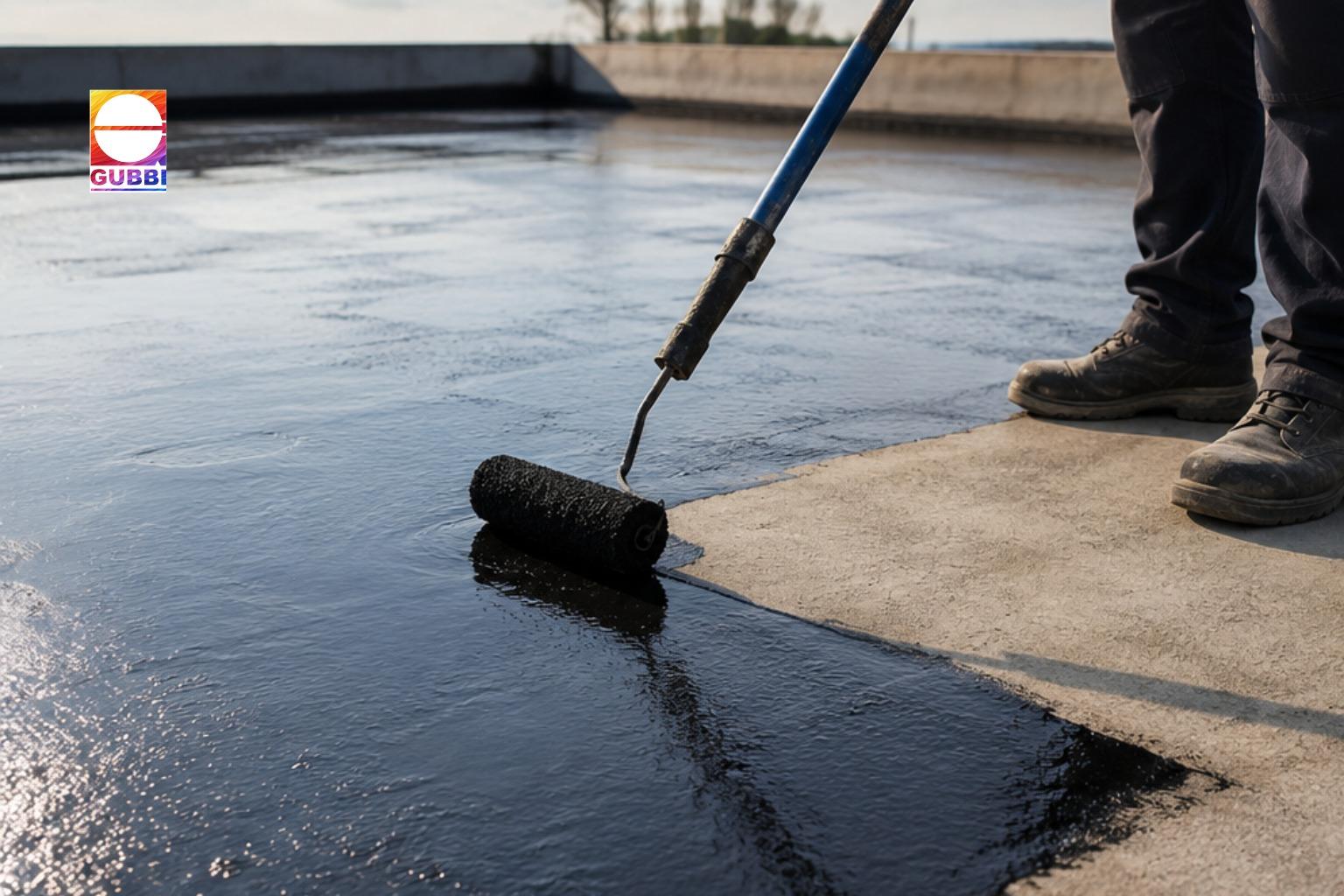
Roof leakage and terrace water seepage are common problems in industrial buildings, commercial properties, warehouses, and infrastructure facilities. Continuous exposure to rain, standing water, temperature changes, and weather conditions can weaken waterproofing systems over time. If these problems remain untreated, moisture may damage concrete surfaces, ceilings, protective coatings, and other building components. Timely inspection and suitable waterproofing measures help control water entry and protect the building from progressive deterioration. Roof waterproofing services help prevent water from entering through exposed roof surfaces, joints, cracks, and other vulnerable areas. Terrace waterproofing services address similar concerns on accessible terraces and flat roof structures where water may collect after rainfall. The right solution depends on the existing surface, drainage arrangements, substrate condition, and exposure level. Understanding these factors helps property owners select a suitable waterproofing system instead of repeatedly treating visible leakage without correcting its cause.
What Are Roof Waterproofing Services?
Roof waterproofing services involve applying suitable materials and systems to reduce water penetration through roof surfaces and vulnerable construction details. These services may include surface preparation, crack treatment, joint sealing, application of waterproofing membranes, protective coatings, and drainage-related corrections. The method selected depends on whether the roof is made of reinforced concrete, metal sheeting, or another construction material. A properly planned system should suit the roof's condition, movement, exposure, and intended use.
Industrial and commercial roofs often cover large areas containing equipment, service lines, ventilation systems, and drainage outlets. Waterproofing work must account for these features because water can enter around penetrations, joints, parapet walls, and poorly sealed connections. Before selecting a product, contractors should assess the roof surface and identify possible entry points. Addressing these details alongside the main waterproofing layer helps improve system performance and reduces the likelihood of recurring leakage after completion.
Why Terrace Waterproofing Services Are Important
Terraces and flat roofs are exposed to rainwater, direct sunlight, and repeated heating and cooling. When drainage is inadequate or the waterproofing layer deteriorates, water may remain on the surface and enter through cracks, construction joints, or weak points. Over time, moisture can affect concrete, finishes, internal ceilings, and nearby building components. Terrace waterproofing services help manage these risks by creating an appropriate barrier against water penetration and addressing defects identified during inspection.
For industrial and commercial facilities, terrace leakage can interfere with daily operations, damage stored materials, and increase maintenance requirements. Moisture entering through a roof may affect electrical installations, interior finishes, equipment areas, and occupied workspaces. Repeated repairs can also consume maintenance budgets without delivering lasting results if the underlying cause remains unresolved. A planned waterproofing approach helps property managers protect building assets, organise maintenance activities, and reduce avoidable disruption during periods of heavy rainfall.
Common Causes of Roof and Terrace Leakage
1. Cracks in Concrete Surfaces
Concrete roofs may develop cracks due to shrinkage, temperature variations, structural movement, or other construction-related factors. Water can enter through these openings, particularly when the surface protection has deteriorated. Not every crack requires the same treatment, so its width, location, movement, and likely cause should be evaluated before repair. Suitable crack treatment followed by an appropriate waterproofing system can help address leakage, provided the selected method matches the actual condition of the concrete.
2. Poor Drainage and Water Ponding
Roof outlets, rainwater pipes, and drainage channels must carry water away from the roof efficiently. Blocked outlets, incorrect slopes, damaged drainage components, or inadequate outlet arrangements can allow water to collect on the surface. Prolonged ponding may place additional demands on waterproofing systems and increase the chance of leakage through vulnerable details. Correcting drainage problems is therefore an important part of roof maintenance, rather than relying entirely on additional waterproofing material.
3. Deteriorated Waterproofing Membranes
Waterproofing membranes and coatings can deteriorate because of weather exposure, ageing, mechanical damage, or unsuitable installation practices. The affected layer may develop blisters, peeling, cracks, or separation from the substrate. Applying another coating without checking the existing system may lead to bonding problems or trap moisture beneath the new layer. Contractors should examine the condition of the old waterproofing, determine whether repairs or removal are necessary, and prepare the surface according to the selected system's requirements.
4. Weak Joints and Roof Penetrations
Roof leakage frequently occurs at locations where different building elements meet. Expansion joints, pipe penetrations, equipment supports, parapet-wall junctions, and drainage outlets may require specialised detailing. If these areas are poorly sealed or their materials deteriorate, water can pass through even when the main roof surface appears intact. Waterproofing work should therefore include careful inspection of transitions and penetrations, with compatible sealing materials and detailing appropriate for movement, exposure, and the construction arrangement.
5. Weather Exposure and Temperature Changes
Roof surfaces experience repeated temperature fluctuations, rainfall, sunlight, and seasonal weather conditions. These changes can influence the movement of building materials and the performance of protective layers. Systems that are unsuitable for the substrate or environmental conditions may crack, lose adhesion, or deteriorate prematurely. Selecting a waterproofing solution requires consideration of the roof's exposure, expected movement, surface preparation needs, and maintenance conditions. These factors influence how well the completed system performs over time.
Types of Roof and Terrace Waterproofing Systems
1. Liquid-Applied Waterproofing
Liquid-applied waterproofing systems are applied to prepared surfaces and form a continuous protective layer after curing. Depending on the product, they may be suitable for concrete roofs, terraces, and areas with complicated shapes or multiple junctions. Application thickness, substrate moisture, curing conditions, and reinforcement at critical details must follow the system specifications. The roof should be assessed before application because surface contamination, active water ingress, or incompatible existing coatings can affect adhesion and performance.
2. Waterproofing Membranes
Waterproofing membranes provide a continuous barrier against water penetration when properly installed and detailed. Different membrane types are available for different applications, substrates, and exposure conditions. Their performance depends on suitable installation, seam treatment, termination details, and protection against mechanical damage. Before selecting a membrane, property owners should consider the roof's condition, accessibility, drainage, and expected maintenance activities. The chosen system must be compatible with the existing construction and the building's operational requirements.
3. Cementitious Waterproofing
Cementitious waterproofing products are used in selected applications where a cement-based coating is appropriate for the substrate and exposure. These systems can be considered for certain concrete surfaces, depending on the product specifications and movement conditions. Surface preparation, correct mixing, application thickness, and curing are important to achieve the intended result. Because roofs and terraces may experience temperature-related movement, the suitability of a cementitious system should be checked rather than assuming it will perform equally well in every situation.
4. Polyurethane Waterproofing
Polyurethane waterproofing systems can provide flexible protective layers for suitable roof and terrace applications. Their flexibility may help accommodate certain movements, depending on the product and system design. Successful application requires appropriate surface moisture conditions, substrate preparation, detailing, and curing. The selected product should be checked for compatibility with the roof, expected exposure, and any planned protective finish. Contractors should also consider how the surface will be accessed and maintained after the waterproofing work is completed.
5. Waterproofing for Metal Roofs
Metal roofs require waterproofing and sealing approaches suited to their construction, movement, and connection details. Leakage may occur around fasteners, overlapping sheets, flashing, joints, or penetrations rather than across the main roof panels. Before applying a coating, contractors should inspect the condition of the metal, identify corrosion or loose connections, and determine whether repairs are necessary. Suitable protective systems can then be selected according to the roofing material, weather exposure, and manufacturer's application requirements.
How to Choose Terrace Waterproofing Contractors
Selecting suitable terrace waterproofing contractors is an important decision for industrial and commercial property owners. A contractor should understand different waterproofing systems, surface preparation requirements, drainage details, and common causes of leakage. Relevant project experience can help the contractor identify site-specific challenges and recommend an appropriate methodology. Owners should also review the proposed materials, execution process, safety arrangements, inspection procedures, and maintenance recommendations before approving the work.
Request a written quotation that explains the scope of work, surface preparation, crack treatment, waterproofing layers, detailing, curing requirements, and any necessary drainage corrections. The proposal should also clarify exclusions, access arrangements, and whether existing waterproofing needs removal. Comparing contractors only on the quoted amount may overlook important differences in the work proposed. A detailed scope helps property managers understand what they are paying for and evaluate whether the solution addresses the actual source of leakage.
The Waterproofing Inspection Process
A proper inspection helps identify why water is entering and which areas require attention. Depending on the roof, the assessment may include checking cracks, joints, drainage outlets, parapet walls, penetrations, existing coatings, and signs of moisture below the surface. Inspectors may also review previous repair history and observe where leakage appears inside the building. This information helps distinguish a local defect from a wider waterproofing or drainage problem before the repair method is finalised.
After the inspection, the contractor should explain the observed problems, proposed treatment, and limitations of the recommended system. Some roofs may need local crack repairs and sealing, while others may require more extensive restoration of the waterproofing layer. If structural deterioration is suspected, an appropriate engineering assessment may also be necessary. Documenting the condition before work begins creates a useful reference for quality checks and future maintenance, especially in facilities with large roof areas.
Steps Involved in Roof Waterproofing Work
Step 1: Surface Preparation
The roof surface is inspected and prepared to remove dust, loose material, contamination, and deteriorated coatings where required. The exact preparation method depends on the substrate and selected waterproofing system. Unsuitable surface conditions can prevent proper adhesion or cause defects after application. Contractors should also identify areas that need local repairs before the waterproofing layer is installed, ensuring that the surface is ready for the next stage of work.
Step 2: Crack and Joint Treatment
Cracks, construction joints, pipe penetrations, and other vulnerable locations are treated according to their condition and the selected system's requirements. The treatment may involve suitable sealants, repair materials, or specialised detailing. Moving cracks and joints require particular attention because rigid materials may not accommodate movement adequately. Treating these locations before applying the main waterproofing layer helps create a more continuous protective system and reduces the risk of leakage through untreated weak points.
Step 3: Waterproofing Application
The selected membrane, coating, or other waterproofing system is applied according to the specified coverage, thickness, layering, and curing requirements. Critical details, including corners, outlets, and wall junctions, must receive appropriate attention. Weather conditions and substrate moisture can affect application, so work should follow the product's technical requirements. Applying additional material without proper preparation does not automatically improve performance; correct system selection and execution are essential to achieving the intended waterproofing result.
Step 4: Inspection and Testing
After application and curing, the completed work should be inspected for visible defects, discontinuities, inadequate coverage, or damage to critical details. Where appropriate and safe, a suitable water test or other specified verification method may be used. Testing must follow the system requirements and account for the roof's drainage capacity and structural limitations. Proper inspection helps identify defects before the area returns to normal use and provides a record of the completed waterproofing work.
Factors Affecting Roof Waterproofing Costs
The cost of roof waterproofing depends on the roof area, substrate condition, existing waterproofing, selected material, accessibility, and extent of repairs required. Additional work may be necessary when the roof has extensive cracking, damaged joints, poor drainage, or deteriorated coatings that need removal. Industrial facilities may also require special access arrangements or coordination with ongoing operations. For these reasons, the final estimate should be based on an inspection and a clearly defined scope rather than area alone.
When comparing roof waterproofing quotations, review the proposed system, number of application layers, surface preparation, crack treatment, drainage work, testing, and maintenance guidance. A lower initial quotation may exclude necessary activities or use a system that does not suit the roof's condition. However, higher pricing should also be supported by clear technical justification. Property owners should compare the scope and specifications alongside the price to make an informed decision about performance, maintenance, and long-term building protection.
Common Waterproofing Mistakes to Avoid
One common mistake is applying a new coating directly over a damaged or unsuitable existing surface without assessing its condition. Another is treating the visible leakage point while ignoring the actual water entry location, which may be elsewhere on the roof. Neglecting drainage outlets, parapet junctions, and pipe penetrations can also lead to recurring problems. Before starting repairs, property owners should ensure that the proposed work includes inspection, appropriate preparation, compatible materials, and treatment of the underlying cause.
Choosing materials solely because they are inexpensive or widely advertised can also produce unsuitable results. Different waterproofing systems have different application requirements, movement capabilities, and exposure limitations. Inadequate curing, incorrect thickness, poor detailing, and insufficient protection after application may reduce service life. A planned maintenance schedule is equally important because even a properly installed system needs periodic inspection. Addressing small defects early can help property managers avoid more extensive repairs and unnecessary disruption later.
Maintenance Tips for Industrial and Commercial Roofs
Regular roof maintenance helps identify developing defects before they result in significant water ingress. Facility teams should inspect drainage outlets, joints, visible cracks, protective coatings, and areas around equipment supports. Leaves, debris, and other blockages should be removed safely so that rainwater can drain properly. Inspections are particularly useful before and after periods of heavy rainfall. Records of leakage, repairs, and inspection findings help maintenance teams monitor recurring problems and plan corrective work more effectively.
Maintenance should also account for changes to the roof, including the installation of new equipment, pipes, cable supports, or access systems. Such modifications may disturb the waterproofing layer or create new penetrations that require appropriate detailing. Contractors should restore affected areas using compatible materials and approved procedures. Where recurring leakage continues despite repeated repairs, a broader assessment of the waterproofing system may be more appropriate than another isolated patch. This approach supports more informed maintenance planning and reduces repeat work.
Roof Waterproofing for Industrial and Commercial Facilities
Industrial and commercial facilities often have roof areas that serve more than one purpose, including equipment access, utility routing, ventilation, and rainwater drainage. Waterproofing solutions must accommodate these practical requirements while protecting the building envelope. A system suitable for an unused concrete terrace may not be appropriate for a metal roof or a surface that receives regular foot traffic. Assessment of roof use, access requirements, exposure, and maintenance activities helps determine the right solution for each facility.
For businesses evaluating waterproofing requirements, Gubbi Civil Engineers Limited may be considered for industrial, commercial, and infrastructure-related civil engineering needs, subject to the specific project scope and technical requirements. Before appointing a contractor, property owners should discuss the observed leakage, previous repair attempts, roof construction, and operational constraints. Clear communication supports better planning and helps ensure the proposed work addresses the relevant conditions rather than relying on a generic waterproofing approach.
Frequently Asked Questions
What are roof waterproofing services?
Roof waterproofing services involve assessing roof conditions and applying suitable systems to reduce water penetration. Depending on the roof type, work may include crack treatment, joint sealing, membrane installation, protective coatings, and drainage corrections. The correct approach depends on the substrate, existing damage, exposure, and roof usage. Inspection before application helps determine whether local repairs are sufficient or a more extensive waterproofing system is required.
How do terrace waterproofing services prevent leakage?
Terrace waterproofing services create a protective barrier across suitable surfaces and address vulnerable areas such as cracks, joints, drainage outlets, and wall junctions. The system must be selected according to the terrace's condition and installed with correct surface preparation and detailing. Drainage is equally important because prolonged water accumulation can increase demands on the waterproofing layer. A complete solution should address both the entry points and the conditions contributing to water retention.
How do I choose terrace waterproofing contractors?
Choose terrace waterproofing contractors based on relevant experience, inspection practices, material specifications, proposed methodology, and quality-control procedures. Ask for a written scope that explains surface preparation, crack treatment, application requirements, and testing where appropriate. Compare quotations based on the work included rather than price alone. Contractors should also explain maintenance requirements and any limitations associated with the proposed system so that expectations remain clear before execution.
Which waterproofing method is best for a concrete terrace?
There is no single method that is best for every concrete terrace. Liquid-applied coatings, membranes, cementitious systems, and polyurethane products may be suitable for different conditions. Selection depends on the substrate, existing waterproofing, crack movement, drainage, exposure, and intended roof use. A site assessment helps establish which system is appropriate and whether repairs to cracks, joints, or drainage are necessary before application.
How can businesses reduce recurring roof leakage?
Businesses can reduce recurring leakage by arranging inspections, maintaining drainage outlets, repairing defects promptly, and ensuring that new roof penetrations are sealed correctly. If leakage continues after repeated repairs, the underlying waterproofing system and drainage arrangement should be reassessed. Keeping maintenance records and following product-specific inspection recommendations can help facility teams identify recurring patterns, plan corrective work, and reduce avoidable disruption to industrial and commercial operations.
Roof and terrace waterproofing are important parts of building maintenance, particularly for industrial and commercial facilities exposed to changing weather conditions. Cracks, damaged membranes, weak joints, and poor drainage can all contribute to water ingress, so effective treatment requires more than applying a coating over the visible problem. A suitable inspection, compatible materials, correct installation, and regular maintenance help protect concrete surfaces, reduce recurring leakage, and support the continued performance of existing buildings.

 English
 French
 Spanish
 Portuguese
 Deutsch
 Turkish
 Dutch
 Italiano
 Russian
 Romaian
 Portuguese (Brazil)
 Greek