
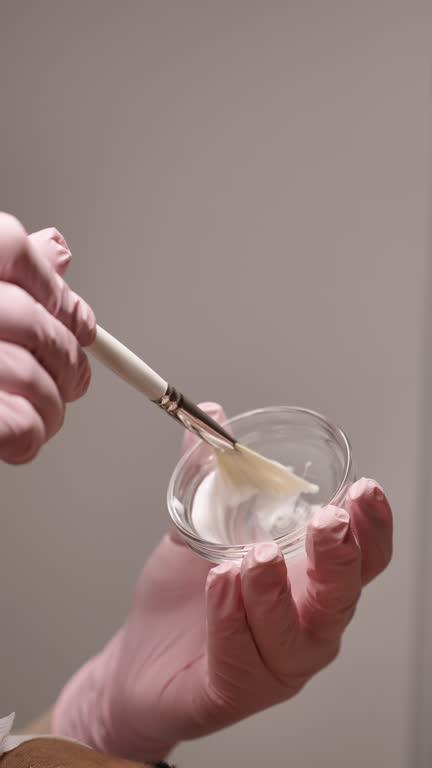
Hormonal acne can involve recurring breakouts, excess oil, and clogged pores, particularly around the chin, jawline, and lower cheeks. A Chemical Peel in Dubai may form part of a treatment plan for selected patients by helping exfoliate accumulated surface cells and address certain forms of acne-related congestion. However, a peel does not correct every hormonal trigger or replace appropriate acne management.
Understanding the relationship between hormones, sebum production, and pore blockage can help patients recognise where chemical exfoliation may be useful. The most appropriate approach depends on acne severity, skin sensitivity, and whether breakouts are currently inflamed.
What Causes Hormonal Acne?
Hormonal acne is associated with changes in hormone activity that influence the sebaceous glands. These glands produce sebum, the natural oil that helps lubricate the skin.
When sebum production increases, it can contribute to clogged pores, particularly when dead skin cells accumulate within the follicle. Bacteria and inflammation may then contribute to the development of acne lesions.
Hormonal fluctuations can occur during several stages of life and may be associated with menstrual cycles, certain medical conditions, medication changes, or other individual factors.
Common Signs of Hormonal Acne
Hormonal acne may present as:
-
Recurrent breakouts around the chin and jawline.
-
Inflamed papules and pustules.
-
Deep, tender nodules in some cases.
-
Persistent oiliness in affected areas.
-
Breakouts that appear to follow a recurring pattern.
-
Dark marks left after inflammation settles.
Not every breakout around the lower face is hormonal acne. A clinician may need to distinguish it from other forms of acne and skin irritation.
Understanding Sebum Production and Blocked Pores
Sebum plays an important role in maintaining skin comfort. The problem arises when excess oil combines with dead skin cells and contributes to follicular blockage.
This process can create comedones, commonly known as blackheads and whiteheads. If inflammation develops, more noticeable acne lesions may follow.
A treatment plan should address the factors contributing to acne rather than focusing only on the oil visible on the skin's surface.
Read More: Crown Hair Transplant in Dubai: How FUE Rebuilds Thinning Crowns
How a Chemical Peel in Dubai May Support Acne Management
Certain chemical peel formulations are used to improve selected acne-related concerns. Depending on the ingredients and individual suitability, they may help loosen accumulated dead skin cells and improve the appearance of clogged pores.
Potential benefits for appropriate candidates include:
-
Improving the appearance of superficial congestion.
-
Supporting smoother skin texture.
-
Reducing some forms of surface oiliness.
-
Helping improve selected post-acne marks.
-
Complementing an established acne treatment routine.
A chemical peel is not a standalone treatment for every form of hormonal acne. Deep nodules, cystic breakouts, and persistent inflammatory acne may require medical therapies beyond exfoliation.
Which Peel Ingredients May Be Considered?
Different exfoliating ingredients have different properties. Selection should reflect the patient's acne pattern, skin tolerance, and treatment history.
Salicylic Acid
Salicylic acid is oil-soluble and can penetrate into sebum-containing pores. It is commonly used in acne-focused skincare and professional exfoliating formulations.
It may be considered for selected patients with comedonal acne and surface congestion. However, it can still cause dryness or irritation, especially when combined with other active ingredients.
Glycolic Acid
Glycolic acid is an alpha hydroxy acid that supports surface exfoliation. It may help improve rough texture and the appearance of certain superficial post-acne marks.
Its suitability depends on concentration, formulation, and the patient's sensitivity. It should not be assumed to control the hormonal cause of breakouts.
Mandelic Acid
Mandelic acid is another alpha hydroxy acid used in some professional skincare formulations. Its properties may make it a consideration for selected patients who need a carefully tailored exfoliation approach.
No single acid is best for every acne pattern. Professional selection matters more than choosing the strongest available formulation.
Can a Chemical Peel Reduce Excess Oil?
A peel may help improve the appearance of oily, congested skin in selected cases, but it does not permanently switch off sebaceous glands.
Sebum production is influenced by hormonal and individual biological factors. Even after visible improvement, oiliness and breakouts may return.
Patients should therefore understand the difference between improving pore congestion and treating the underlying drivers of hormonal acne.
When a Peel May Not Be the First Choice
Active acne varies in severity. Some patients have mainly blackheads and whiteheads, while others experience painful inflammatory lesions or deeper nodules.
A peel may not be appropriate as the first intervention when the skin has:
-
Severe or actively inflamed acne.
-
Open, broken, or infected lesions.
-
Significant irritation or barrier damage.
-
A history of problematic reactions to exfoliation.
-
Deep nodules requiring medical assessment.
In these situations, a dermatologist may recommend addressing active inflammation before considering a cosmetic exfoliating procedure.
Combining Peels with Other Acne Treatments
Hormonal acne may require a broader management strategy. Depending on the diagnosis, a clinician may discuss topical therapies, prescription medication, skincare adjustments, or evaluation of possible hormonal contributors.
Chemical exfoliation may be considered as an additional option for selected surface concerns, but treatment combinations need careful planning.
Using several irritating products together can increase dryness, redness, and post-inflammatory pigmentation. Patients should disclose all prescription and non-prescription products before a procedure.
Managing Acne Marks After Breakouts
Once active acne settles, some patients are left with brown or red marks. These marks are not all the same.
Post-inflammatory hyperpigmentation appears brown or darker because of increased pigment, while post-inflammatory erythema appears red or pink due to changes associated with inflammation.
A chemical peel may help selected superficial pigment concerns, but treatment should be based on the type of mark. Persistent redness, deeper scarring, or melasma may require a different approach.
Maintaining Skin Health Between Treatments
Consistent daily care can support acne management and reduce avoidable irritation.
Helpful habits may include:
-
Using a gentle cleanser suitable for the skin type.
-
Choosing non-comedogenic moisturising products.
-
Applying appropriate broad-spectrum sunscreen.
-
Avoiding squeezing or picking at active lesions.
-
Introducing active skincare only with suitable guidance.
-
Following a consistent routine rather than frequently changing products.
Patients with persistent or painful acne should seek medical assessment instead of relying exclusively on cosmetic facials or peels.
Clinic Note: Hormonal acne involves more than surface oil. At Tajmeels Clinic, discussing breakout patterns, skin sensitivity, and previous acne treatments can help determine whether a chemical peel is appropriate as part of a wider skin management plan.
Frequently Asked Questions
Can a chemical peel treat hormonal acne?
It may help selected concerns such as clogged pores and surface texture, but it does not correct the hormonal factors that contribute to acne. Some patients need additional medical treatment.
Does a chemical peel stop sebum production?
No. A peel does not permanently stop sebaceous glands from producing oil. It may improve certain surface concerns associated with oily skin.
Which acid is commonly used for acne-prone skin?
Salicylic acid is often considered for comedonal acne because of its oil-soluble properties. Other formulations may be suitable depending on skin type and the acne pattern.
Can I have a peel while experiencing active breakouts?
It depends on the severity and condition of the skin. Severe inflammation, open lesions, or irritation may make a peel unsuitable until the skin has been assessed.
Will a chemical peel remove acne scars?
A peel may improve selected superficial marks and texture, but deeper depressed scars generally require other treatment approaches.
Explore Acne Treatment Options at Tajmeels Clinic
Managing hormonal acne often requires a combination of appropriate skincare, medical assessment, and realistic treatment expectations. A chemical peel may support selected concerns, but the treatment should be chosen according to acne severity and individual skin tolerance.
Tajmeels Clinic provides an opportunity to discuss recurring breakouts, oily skin, and personalised aesthetic treatment options in Dubai. A consultation can help identify whether chemical exfoliation is suitable or whether another acne management approach should come first.

 English
 French
 Spanish
 Portuguese
 Deutsch
 Turkish
 Dutch
 Italiano
 Russian
 Romaian
 Portuguese (Brazil)
 Greek